
Can Composite Veneers Improve Small or Short Anterior Teeth in Gisborne?
Case Note ID: Dec-2024-CVS
Location: New Gisborne Dental House (serving Gisborne, New Gisborne, Macedon, Riddells Creek, Woodend, Romsey)
Primary Treatments: Direct Composite Veneers, Anterior Aesthetic Enhancement
Supporting Technology: Composite Resin Systems, Shade Matching, Direct Bonding Techniques
Presenting Clinical Problem
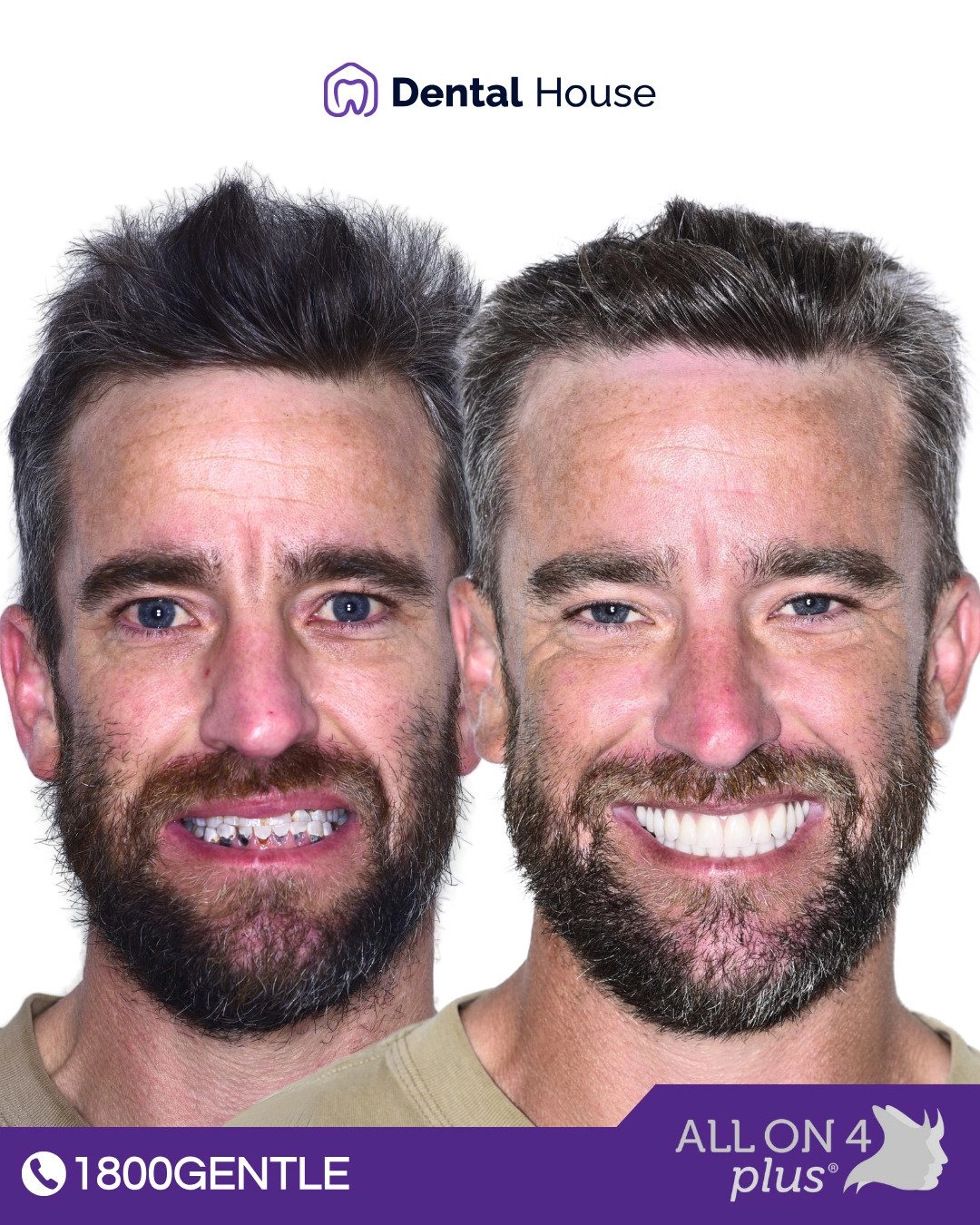
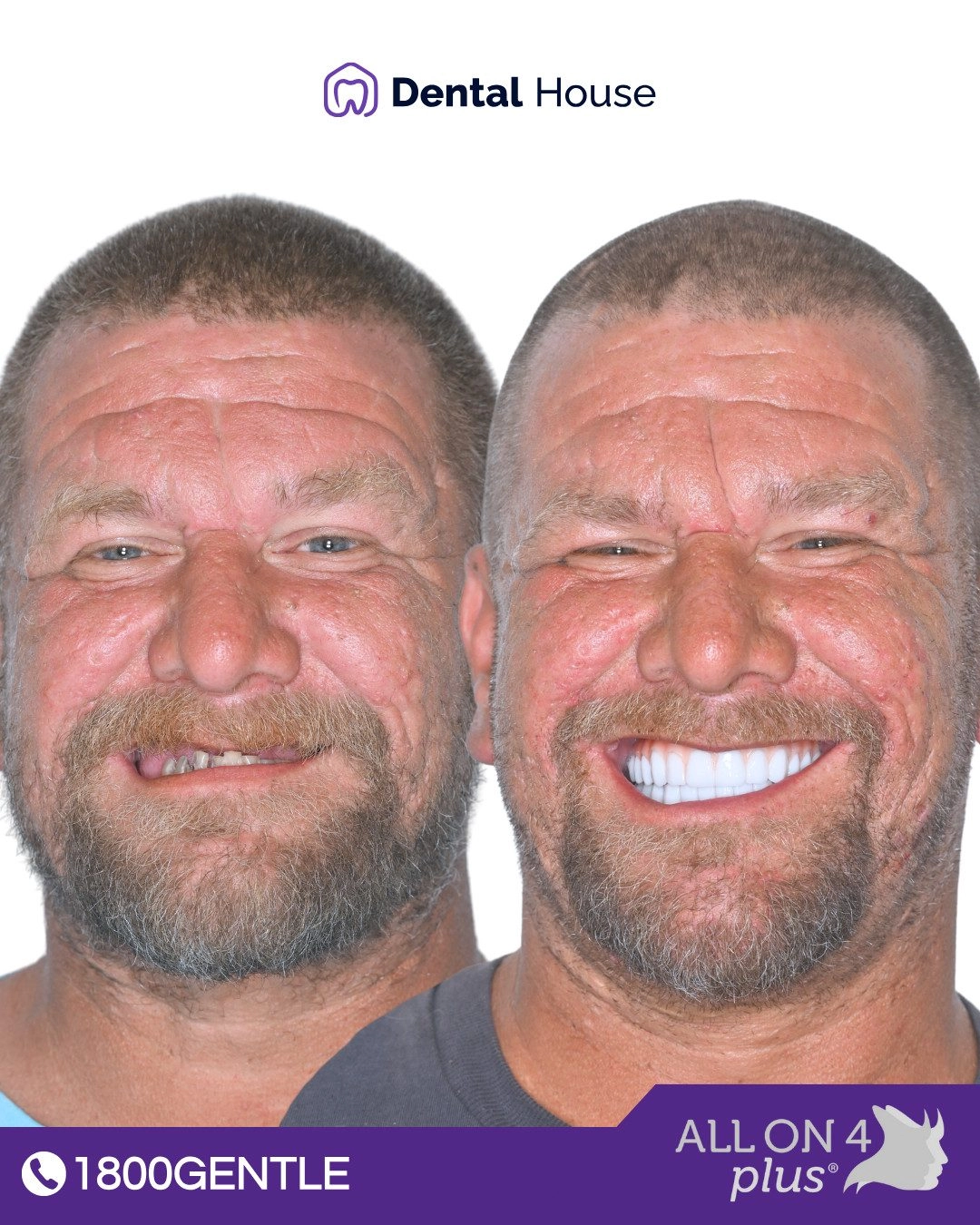
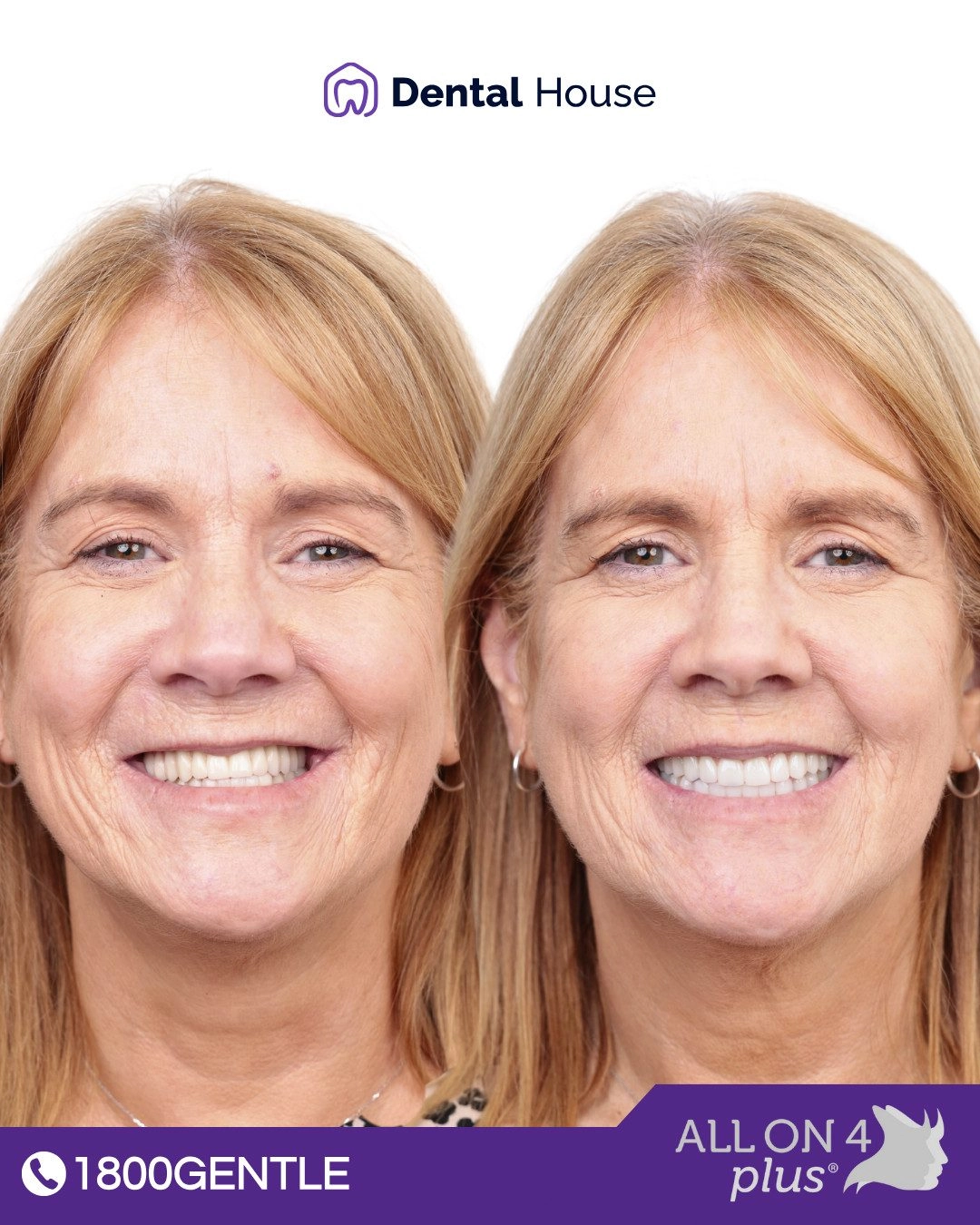
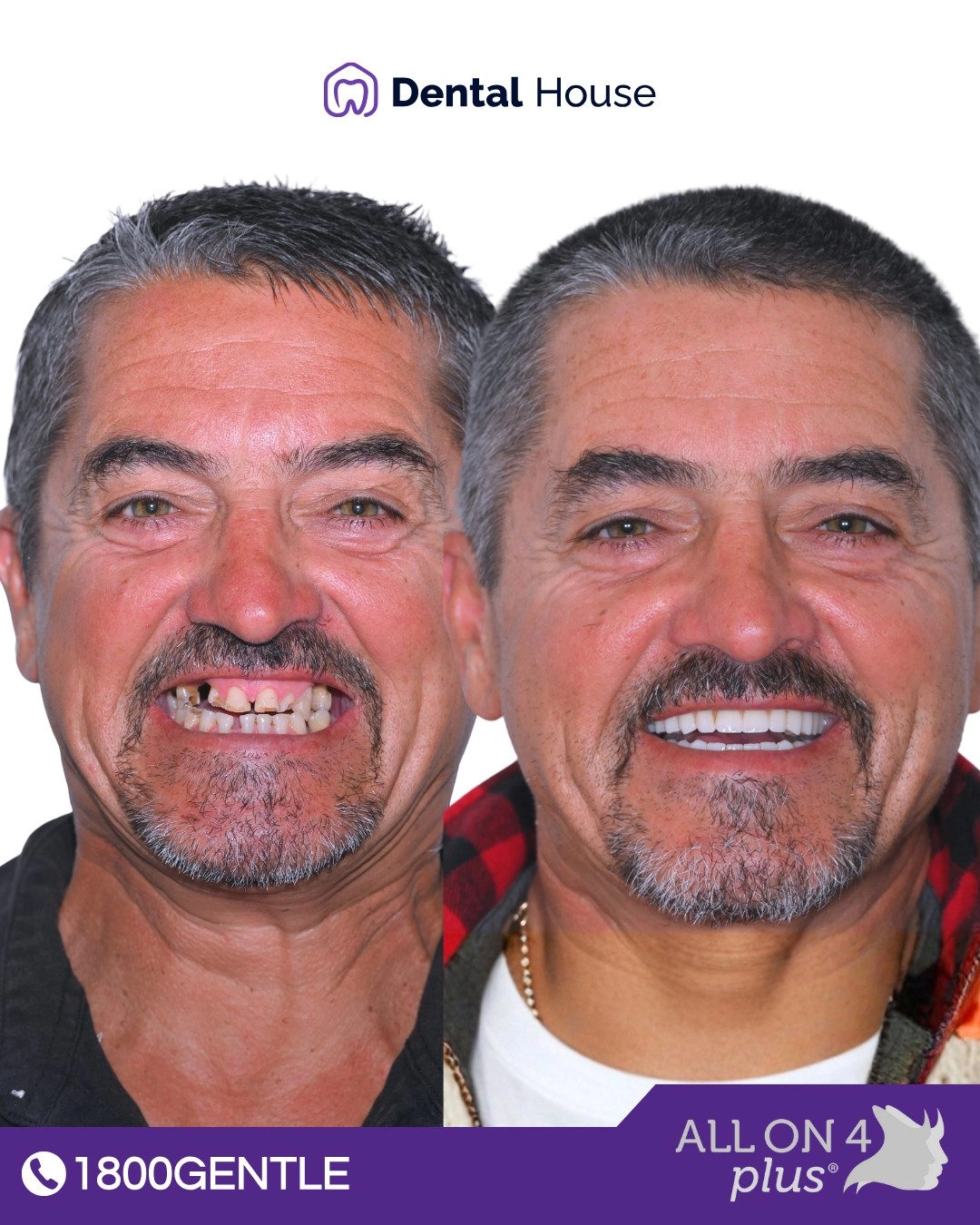
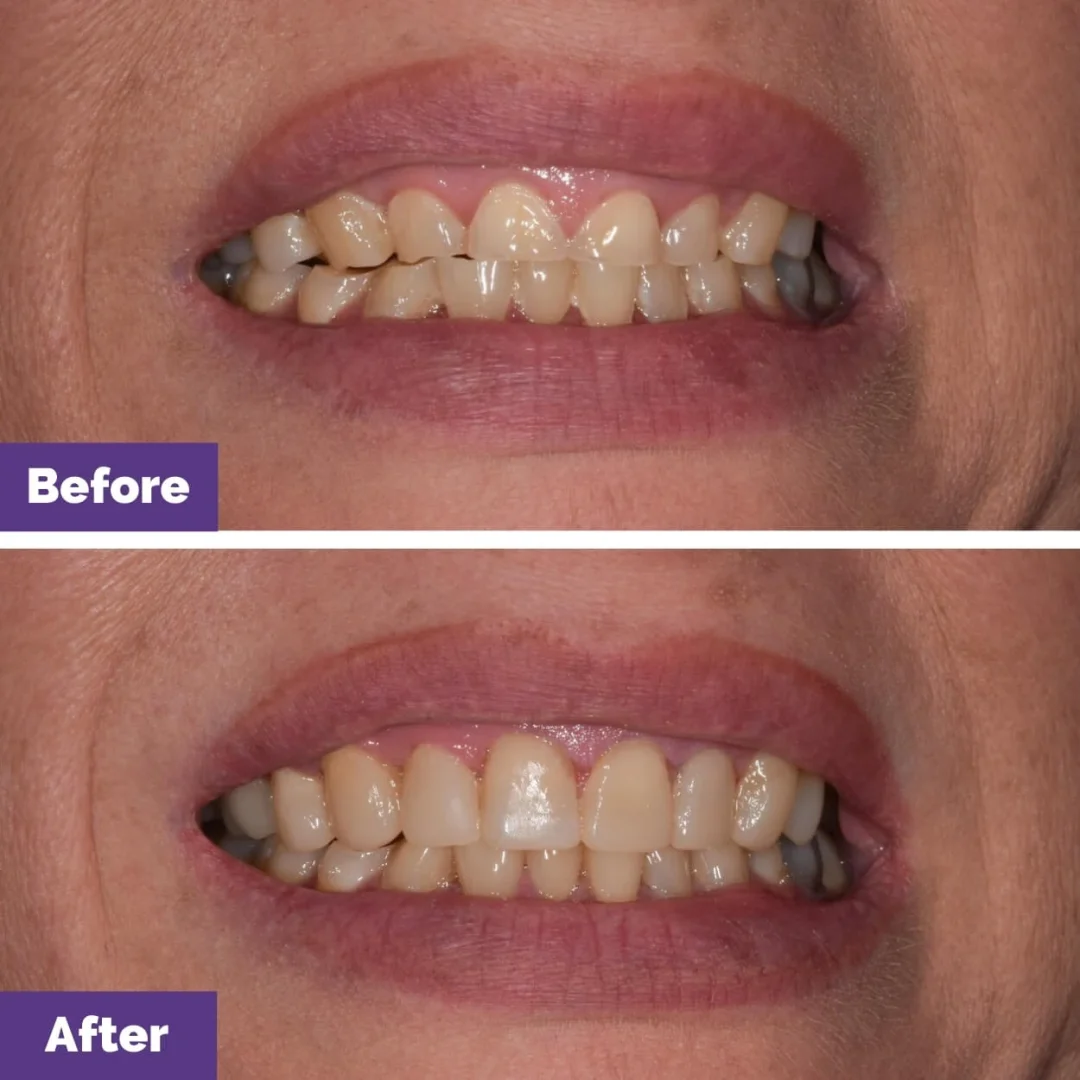
A patient presented with anterior tooth size and proportion concerns requiring aesthetic enhancement treatment. The clinical presentation included anterior teeth appearing undersized relative to facial proportions, reduced tooth length affecting smile aesthetics, irregular tooth size and shape creating visual imbalance, and patient desire for improved anterior tooth appearance through conservative treatment approach.
The primary clinical objectives were to increase anterior tooth length and size through additive composite veneer technique, improve tooth proportion relative to facial features and smile line, restore symmetry across anterior dentition through size and shape modification, and utilise direct composite approach as conservative and cost-effective aesthetic solution. Treatment planning involved composite veneer placement on multiple anterior teeth with careful attention to proportion and symmetry.
Treatment Plan & Clinical Process
Phase 1: Assessment and Design Planning
- Complete dental examination and smile analysis
- Assessment of existing tooth size, shape and proportions
- Evaluation of tooth structure and suitability for composite bonding
- Digital smile design or wax-up for treatment planning if indicated
- Discussion of composite veneer treatment and aesthetic goals
Phase 2: Direct Composite Veneer Placement
- Minimal tooth preparation or no preparation technique as appropriate
- Tooth surface conditioning and bonding agent application
- Layered composite resin placement to build desired tooth size and shape
- Careful attention to proportion, symmetry and natural appearance
- Sculpting and contouring during composite placement
Phase 3: Finishing and Polishing
- Composite shaping and contour refinement
- Occlusal adjustment to ensure proper bite relationships
- Surface finishing and polishing for smooth texture and shine
- Post-placement care instructions and maintenance guidance
- Follow-up appointment scheduling for assessment and any adjustments
Clinical Outcome
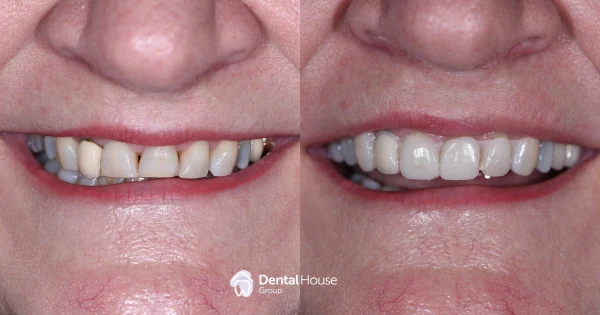
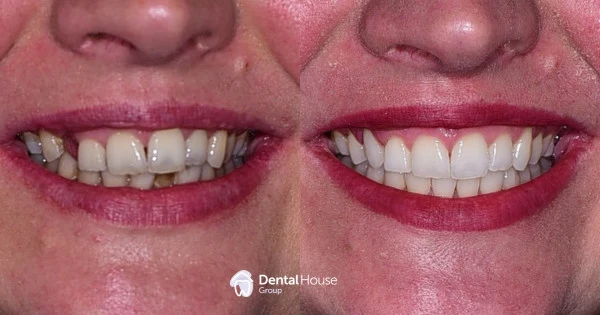
Treatment was completed in single or multiple appointments depending on number of teeth treated. Direct composite veneers were placed on anterior teeth to increase tooth size and improve proportions. The composite additions enhanced anterior tooth appearance through size and shape modification.
Individual results vary. Composite veneers are more prone to staining and wear than porcelain, typically lasting 3-7 years before replacement. Material can chip or break particularly at edges. Some patients experience sensitivity following bonding. Composite colour may not match perfectly in all lighting. Oral habits can damage veneers. No guarantees can be made about outcomes.
Frequently Asked Questions for Gisborne Patients
What causes teeth to appear small or short?
Small or short appearing teeth result from various factors including natural tooth size variation, excessive wear reducing tooth length over time, gingival overgrowth covering tooth structure, or proportional imbalance between tooth size and facial features. Assessment determines whether additive treatments like veneers are appropriate or if gingival procedures are needed.
How do composite veneers differ from porcelain veneers?
Composite veneers are placed directly onto teeth in one appointment using tooth-coloured resin material, whilst porcelain veneers are fabricated in a laboratory and require multiple appointments. Composite veneers are generally less expensive but more prone to staining and wear. Porcelain provides superior stain resistance and longevity but requires more tooth preparation and higher cost.
How long do composite veneers last?
Composite veneer longevity typically ranges from 3-7 years depending on oral habits, bite forces, maintenance and patient care. Regular polishing appointments help maintain appearance. Composite material can be repaired or replaced more easily than porcelain. Some patients require earlier replacement due to staining, chipping or wear.
Give us a call at 1800 GENTLE (1800 436 853) or contact us by submitting the enquiry form below. We will be happy to help.