Sleep Dentistry

Sleep Dentistry Melbourne
Need dental treatment but held back by anxiety or the scale of what’s required? At Dental House Group, our experienced teams across six locations offer a full range of sedation options, including in-house IV sedation and general anaesthesia, so patients can access the care they need without having to push through fear alone.
When Comfort Makes Treatment Possible
For some patients, the barrier to dental care isn’t a single procedure; it’s the whole experience. Deep anxiety, a strong gag reflex, or a backlog of treatment that would take many separate appointments to work through can all make standard dentistry feel out of reach. At Dental House Group, Melbourne’s Home of Gentle Dentistry, we’re one of the few practices in Melbourne’s north-west with in-house IV sedation and general anaesthesia, which means we can offer options that most practices can’t.
Understanding Sleep Dentistry
Sleep dentistry covers a spectrum of sedation approaches, from light relaxation through to full general anaesthesia. Nitrous oxide takes the edge off nerves while you stay conscious and aware. Oral sedation and IV sedation produce deeper relaxation and usually result in very little memory of the procedure. General anaesthesia means you’re completely unconscious, closely monitored by a trained team throughout.
Which option is appropriate depends on your anxiety level, medical history, the treatment being done, and a thorough individual pre-sedation assessment. Not every approach suits every patient, and certain medical conditions or medications may affect suitability for specific sedation types. A detailed consultation is always required before any sedation appointment is scheduled.
Could Sleep Dentistry Be Right for You?
Every case requires thorough individual medical assessment before any sedation recommendation is made. Here's what generally applies.
Your Sleep Dentistry Journey, Step by Step
Individual needs vary based on sedation level and treatment complexity. Here's what the process typically looks like.

Your Comprehensive Pre-Sedation Assessment
A thorough review of your medical history, current medications, allergies, and treatment needs to determine which sedation options are appropriate and safe for you specifically.
(1 visit, approximately 45-60 minutes)

Sedation Planning and Preparation
Sedation options are explained clearly, preparation requirements discussed, and post-treatment care instructions provided, including fasting guidelines and transport arrangements where they apply.
(Same visit, approximately 15-30 minutes)

Pre-Treatment Medication When Appropriate
For oral sedation, prescription medication may be provided ahead of your appointment with specific timing instructions based on your individual plan.
(Prescribed in advance, taken as directed)

Your Treatment Session
Sedation is administered and comprehensive dental treatment completed while you remain relaxed and closely monitored throughout the entire appointment.
(Single extended appointment, timing varies based on treatment complexity)

Safe Recovery and Monitoring
You're carefully observed during recovery until it's safe to leave, with clear post-treatment instructions for the hours and days that follow.
(Recovery time varies by sedation type, typically 30-120 minutes)

Follow-Up and Ongoing Care
Healing progress is assessed, any further treatment needs discussed, and sedation made available again for future procedures where it remains appropriate.
(Follow-up visits as needed, timing based on treatment type)
Your Comprehensive Pre-Sedation Assessment
A thorough review of your medical history, current medications, allergies, and treatment needs to determine which sedation options are appropriate and safe for you specifically.
(1 visit, approximately 45-60 minutes)
(1 visit, approximately 45-60 minutes)
Sedation Planning and Preparation
Sedation options are explained clearly, preparation requirements discussed, and post-treatment care instructions provided, including fasting guidelines and transport arrangements where they apply.
(Same visit, approximately 15-30 minutes)
(Same visit, approximately 15-30 minutes)
Pre-Treatment Medication When Appropriate
For oral sedation, prescription medication may be provided ahead of your appointment with specific timing instructions based on your individual plan.
(Prescribed in advance, taken as directed)
(Prescribed in advance, taken as directed)
Your Treatment Session
Sedation is administered and comprehensive dental treatment completed while you remain relaxed and closely monitored throughout the entire appointment.
(Single extended appointment, timing varies based on treatment complexity)
(Single extended appointment, timing varies based on treatment complexity)
Safe Recovery and Monitoring
You're carefully observed during recovery until it's safe to leave, with clear post-treatment instructions for the hours and days that follow.
(Recovery time varies by sedation type, typically 30-120 minutes)
(Recovery time varies by sedation type, typically 30-120 minutes)
Follow-Up and Ongoing Care
Healing progress is assessed, any further treatment needs discussed, and sedation made available again for future procedures where it remains appropriate.
(Follow-up visits as needed, timing based on treatment type)
(Follow-up visits as needed, timing based on treatment type)
Risks & Recovery
Sedation and general anaesthesia are medical procedures with specific risks and recovery requirements. Understanding these fully before proceeding is essential.
Possible risks include:
- Nausea, drowsiness, or dizziness in the hours following sedation
- Dry mouth or headache after the procedure
- Temporary changes in blood pressure or heart rate, monitored continuously throughout treatment
- In rare cases, allergic reaction or respiratory complications related to sedative medications
Recovery considerations:
- Most patients feel drowsy for several hours after the procedure, which is normal
- Driving or operating machinery is not permitted for 24 hours following sedation
- A responsible adult must accompany you home and stay with you during the initial recovery period
- Normal activities can usually resume the following day, depending on what treatment was performed
Invest in Your Oral Health
Quality dental care is an investment in your long-term health and wellbeing. Download our comprehensive price guide today.
Any questions?
Will I remember anything from my treatment?
Patients who undergo IV sedation or general anaesthesia typically have little to no memory of the procedure. Individual experience varies depending on the sedation type and personal factors. Your team will explain what to expect based on the specific option recommended for you.
Can children have sleep dentistry?
Sedation can be appropriate for some children when it’s clinically indicated. Options range from nitrous oxide through to general anaesthesia, tailored to the child’s age, size, and what treatment is needed. Suitability requires thorough individual assessment and a detailed conversation with parents or guardians beforehand.
How should I prepare for a sedation appointment?
Preparation depends on the sedation type. General anaesthesia requires fasting, loose clothing, no jewellery, and organised transport home. Specific instructions based on your individual plan will be provided well in advance of your appointment so there are no surprises on the day.
Making Your Smile Affordable
We offer flexible payment plans to suit your budget. Get the dental care you need, when you need it.



Our Promise To You
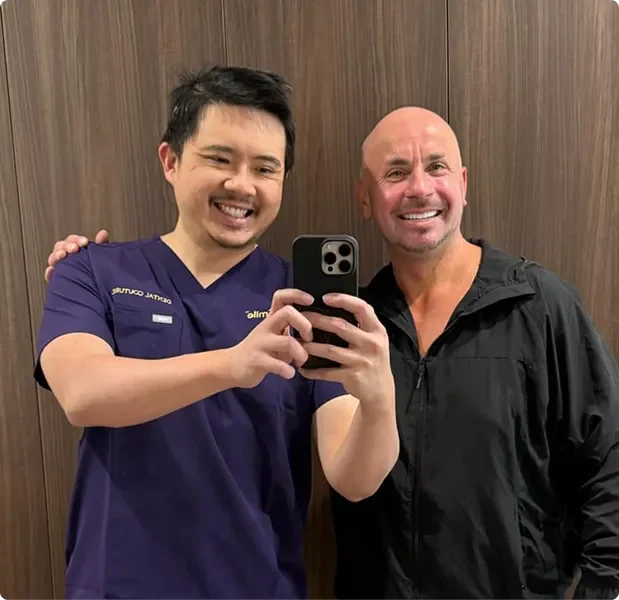
Same day emergency dental guarantee*

A caring, gentle approach at every appointment
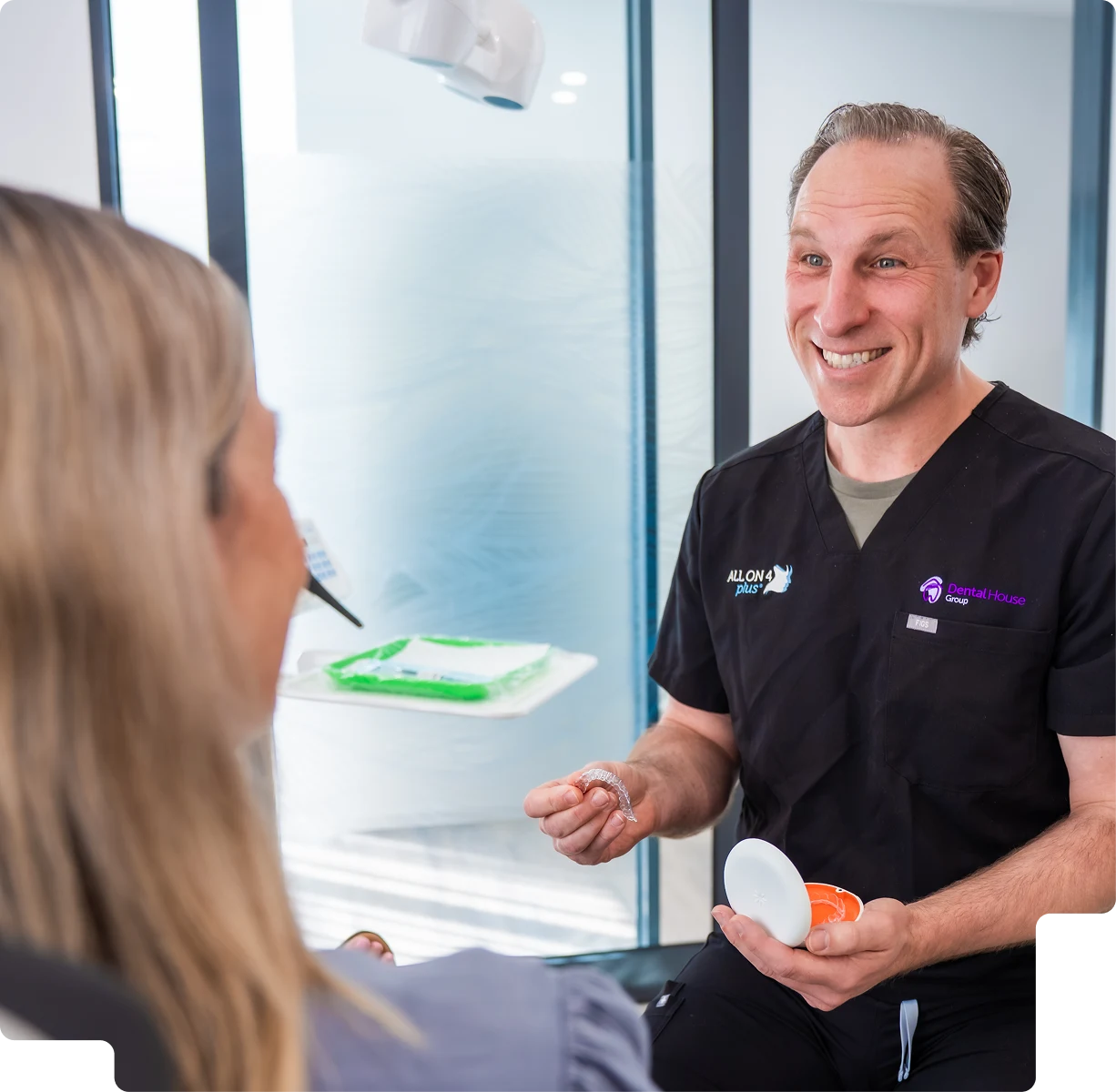
5 Years warranty on major dentistry*
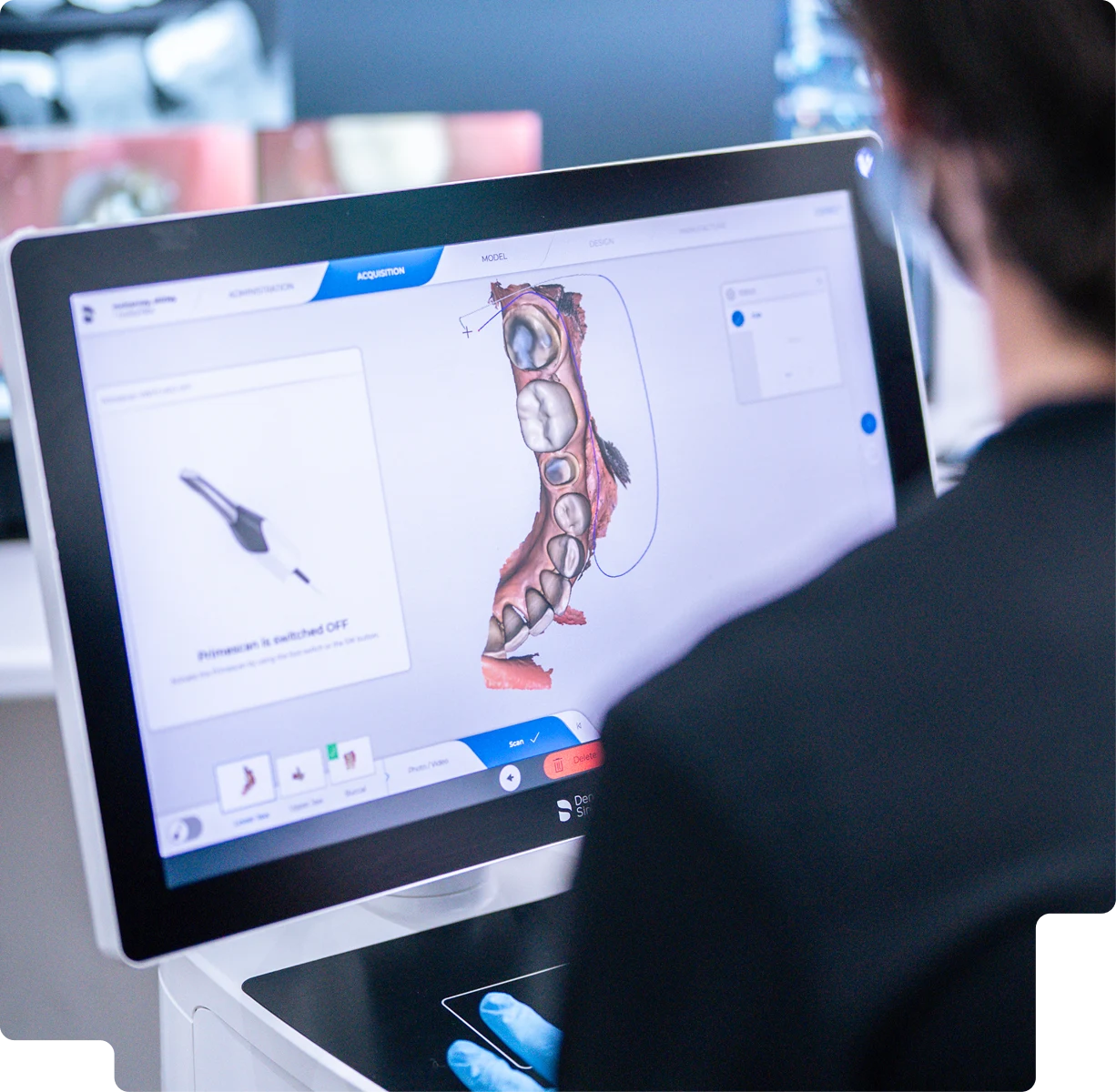
Advanced technology for your comfort
Ready to Learn More?
If sedation has been on your mind and you want to understand your options properly, the first step is a pre-sedation consultation. Call 1800 GENTLE (1800 436 853) or contact your closest Dental House Group location to book.
Disclaimer: The material posted is for informational purposes only and is not intended to substitute for professional medical advice, diagnosis or treatment. Results vary with each patient. Any dental procedure carries risks and benefits. If you have any specific questions about any dental and/or medical matter, you should consult your dentist, physician or other professional healthcare providers.
Medically Reviewed by Dr Fong Nien Yong, BDS
Last Reviewed: September 2, 2026
Insight & Inspiration
Stories, expertise, and a closer look at what we do
Results: 1 - 4 of 10 posts
Load More
Let’s chat.
Take the first step today. Fill out the form and we will contact you to arrange your consultation.