
Periodontal Treatment
Periodontal Treatment Melbourne
Exploring periodontal treatment in Melbourne’s north-west? At Dental House Group, our experienced teams across six locations take a thorough approach to assessing and managing gum disease, using established periodontal therapy techniques matched to your diagnosis and the stage of disease.
When Gum Disease Is Threatening Your Oral Health
Periodontal disease doesn’t announce itself the way a toothache does, but left unmanaged it can quietly destroy the bone and tissue that hold teeth in place. By the time symptoms become obvious, significant damage can already have occurred. At Dental House Group, we’ve been helping families across Melbourne’s north-west get on top of periodontal concerns for nearly 40 years. Getting assessed early gives the best possible chance of preserving the teeth and structures around them.
Understanding Periodontal Treatment
Periodontal treatment covers the range of procedures used to manage gum disease, bring bacterial infection under control, and protect the supporting structures of the teeth. The approach depends on how far the disease has progressed. Gingivitis, the earliest stage, involves gum inflammation that responds well to professional cleaning and improved home care. Periodontitis involves deeper infection affecting the bone and tissue, and requires more involved therapy.
Non-surgical treatment focuses on scaling and root planing, removing bacterial deposits from below the gum line and smoothing root surfaces so the tissue can reattach and heal. Surgical options are available where non-surgical therapy hasn’t achieved sufficient control. Periodontal disease is a chronic condition that needs ongoing management rather than a one-off fix, and long-term success depends heavily on consistent maintenance. Outcomes vary between patients.
Could Periodontal Treatment Be Right for You?
Treatment is shaped entirely by the diagnosis and the individual. Here's what generally needs to be in place.
Your Periodontal Treatment Journey, Step by Step
The approach varies considerably depending on disease severity and how the individual responds to initial therapy. Here's what the process typically involves.

Your Comprehensive Periodontal Assessment
A detailed examination covering gum measurements at multiple sites, X-rays to assess bone levels, and a thorough picture of how far the disease has progressed.
(1-2 visits, approximately 90-120 minutes total)

Treatment Planning and Disease Staging
The stage and grade of disease are established, treatment goals are set, and a personalised therapy sequence is mapped out with honest discussion of what each phase involves.
(Same visit or follow-up consultation)

Initial Non-Surgical Therapy
Scaling and root planing removes the bacterial deposits causing the disease and smooths the root surfaces to create conditions for healing. Local anaesthesia keeps you comfortable throughout.
(2-4 visits depending on extent, approximately 60-90 minutes per quadrant)

Healing and Response Evaluation
We review how the gum tissue has responded to initial therapy, assess whether healing is progressing well, and decide whether further treatment is needed before moving to maintenance.
(Follow-up visit 4-6 weeks after initial therapy)

Advanced Treatment If Required
Where non-surgical therapy hasn't achieved adequate disease control, surgical options are discussed and planned based on the individual response and remaining disease activity.
(Additional visits as needed based on individual response)

Maintenance Protocol
A long-term maintenance schedule is established to monitor gum stability, reinforce home care, and prevent recurrence. This phase is ongoing and essential to everything that's come before it.
(Ongoing appointments every 3-6 months depending on individual needs)
Your Comprehensive Periodontal Assessment
A detailed examination covering gum measurements at multiple sites, X-rays to assess bone levels, and a thorough picture of how far the disease has progressed.
(1-2 visits, approximately 90-120 minutes total)
(1-2 visits, approximately 90-120 minutes total)
Treatment Planning and Disease Staging
The stage and grade of disease are established, treatment goals are set, and a personalised therapy sequence is mapped out with honest discussion of what each phase involves.
(Same visit or follow-up consultation)
(Same visit or follow-up consultation)
Initial Non-Surgical Therapy
Scaling and root planing removes the bacterial deposits causing the disease and smooths the root surfaces to create conditions for healing. Local anaesthesia keeps you comfortable throughout.
(2-4 visits depending on extent, approximately 60-90 minutes per quadrant)
(2-4 visits depending on extent, approximately 60-90 minutes per quadrant)
Healing and Response Evaluation
We review how the gum tissue has responded to initial therapy, assess whether healing is progressing well, and decide whether further treatment is needed before moving to maintenance.
(Follow-up visit 4-6 weeks after initial therapy)
(Follow-up visit 4-6 weeks after initial therapy)
Advanced Treatment If Required
Where non-surgical therapy hasn't achieved adequate disease control, surgical options are discussed and planned based on the individual response and remaining disease activity.
(Additional visits as needed based on individual response)
(Additional visits as needed based on individual response)
Maintenance Protocol
A long-term maintenance schedule is established to monitor gum stability, reinforce home care, and prevent recurrence. This phase is ongoing and essential to everything that's come before it.
(Ongoing appointments every 3-6 months depending on individual needs)
(Ongoing appointments every 3-6 months depending on individual needs)
Risks & Recovery
Periodontal treatment is an important part of managing a serious oral health condition, and it's worth knowing what the recovery process involves.
Possible risks include:
- Tenderness or discomfort in the treated areas during and after therapy
- Some bleeding during or after scaling and root planing procedures
- Swelling or inflammation around the gum tissue in the days following treatment
- Increased sensitivity to temperature, which can occur as the gum tissue settles
- Rarely, delayed healing or infection requiring further attention
Recovery considerations:
- Discomfort after non-surgical therapy typically settles within a few days
- Keeping up with oral hygiene during recovery, even when the gums are tender, is important for healing
- Sensitivity generally reduces over the weeks following treatment as the tissue heals
- Follow-up appointments allow us to check healing is on track and address anything that isn’t
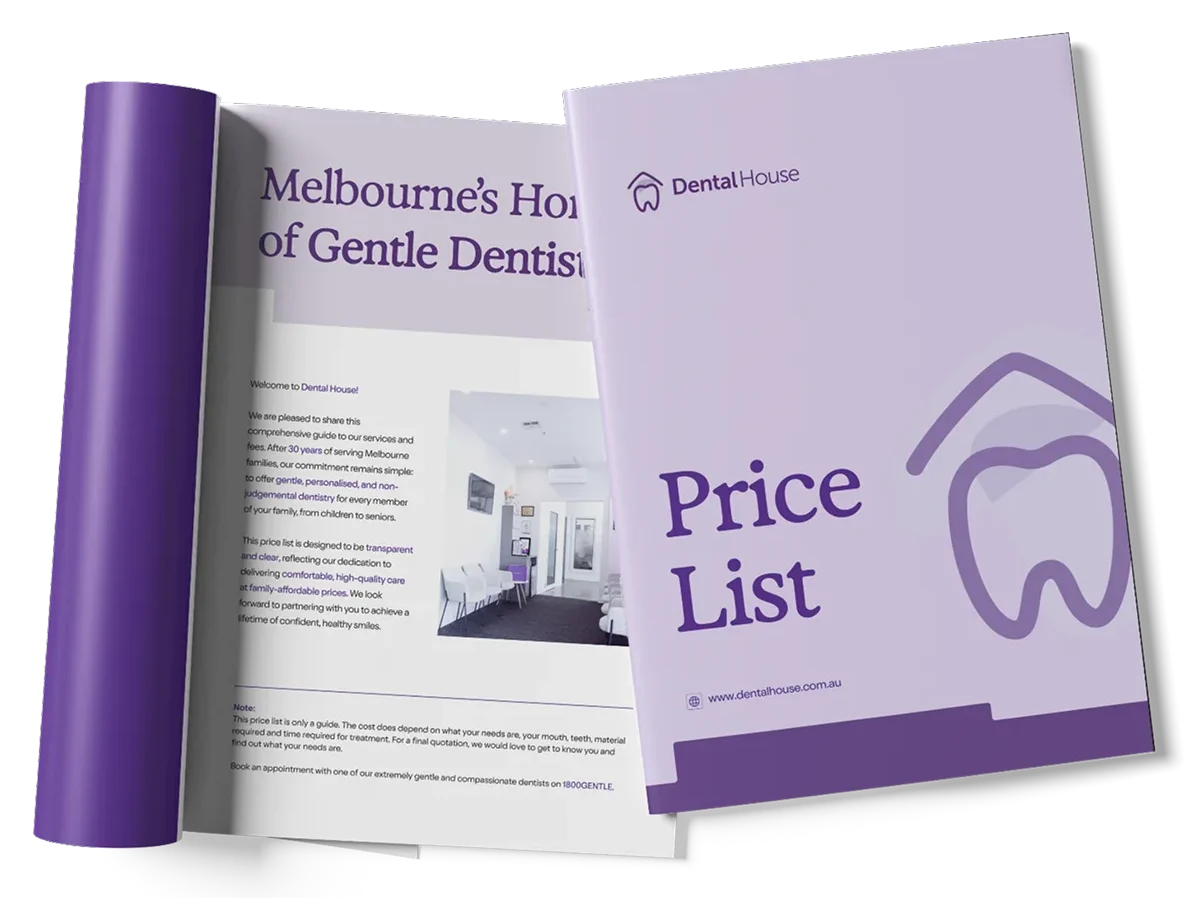
Invest in Your Oral Health
Quality dental care is an investment in your long-term health and wellbeing. Download our comprehensive price guide today.
Any questions?

How do I know if I have periodontal disease?
Bleeding gums, swelling, bad breath that doesn’t go away, gums that have pulled back from the teeth, or any sense that a tooth has shifted are all worth getting checked. The difficult thing with periodontal disease is that it can progress with very few obvious signs, especially in the early stages. That’s why regular professional examinations are how it gets caught before significant damage has occurred.
Can periodontal disease be cured?
It can’t be cured, but it can be managed effectively. With appropriate treatment and a consistent maintenance schedule, it’s possible to halt progression, stabilise the supporting structures, and keep the disease under control long term. That ongoing commitment is what protects the outcome of active treatment.
How often will I need maintenance visits after treatment?
Most patients with a history of periodontal disease need professional maintenance every three to four months, at least initially. As stability is established over time, that frequency may be reviewed. Your dentist will put together a schedule based on your disease history, how you’ve responded to treatment, and your individual risk factors.
Making Your Smile Affordable
We offer flexible payment plans to suit your budget. Get the dental care you need, when you need it.



Our Promise To You

Same day emergency dental guarantee*

A caring, gentle approach at every appointment
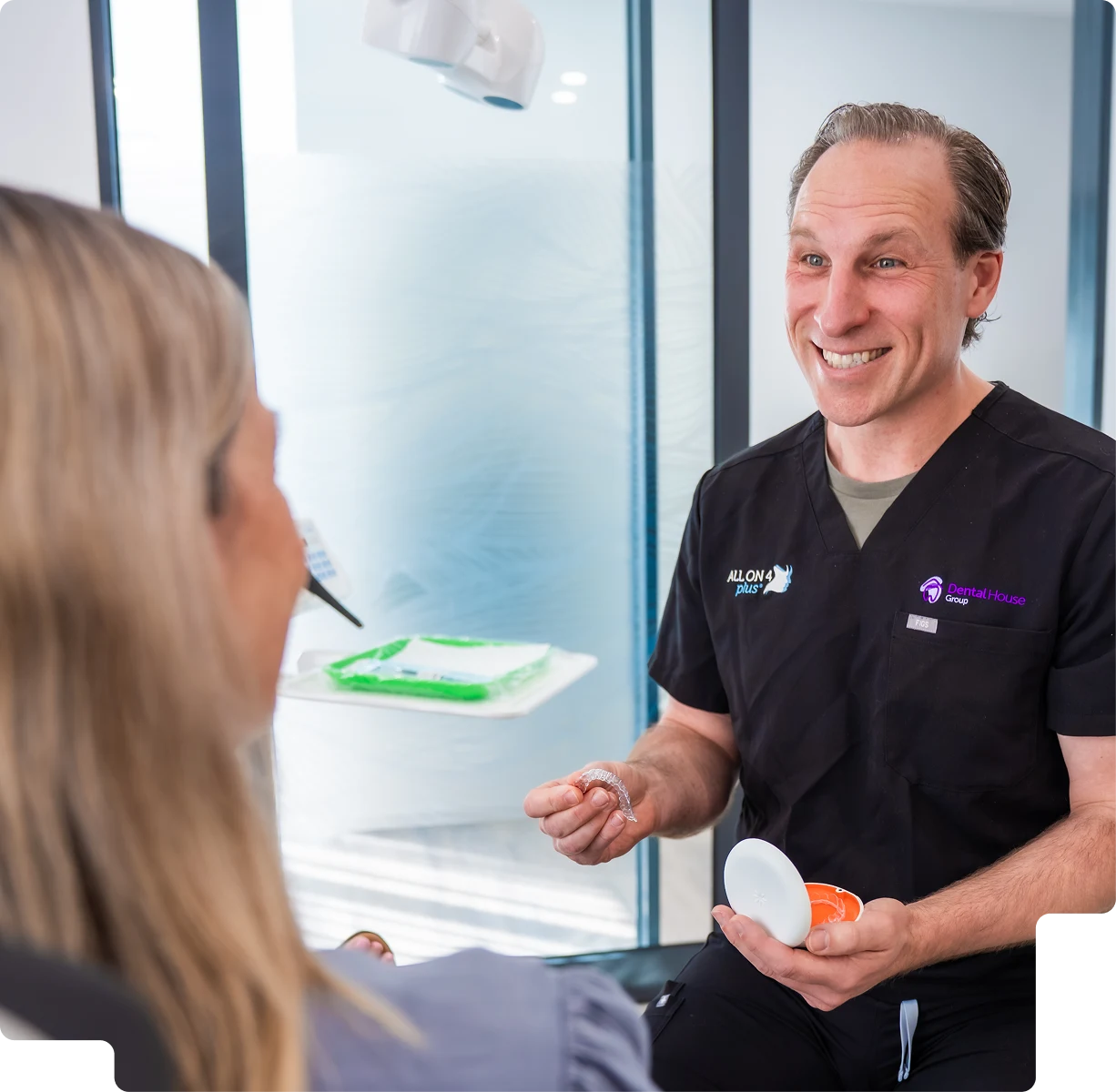
5 Years warranty on major dentistry*
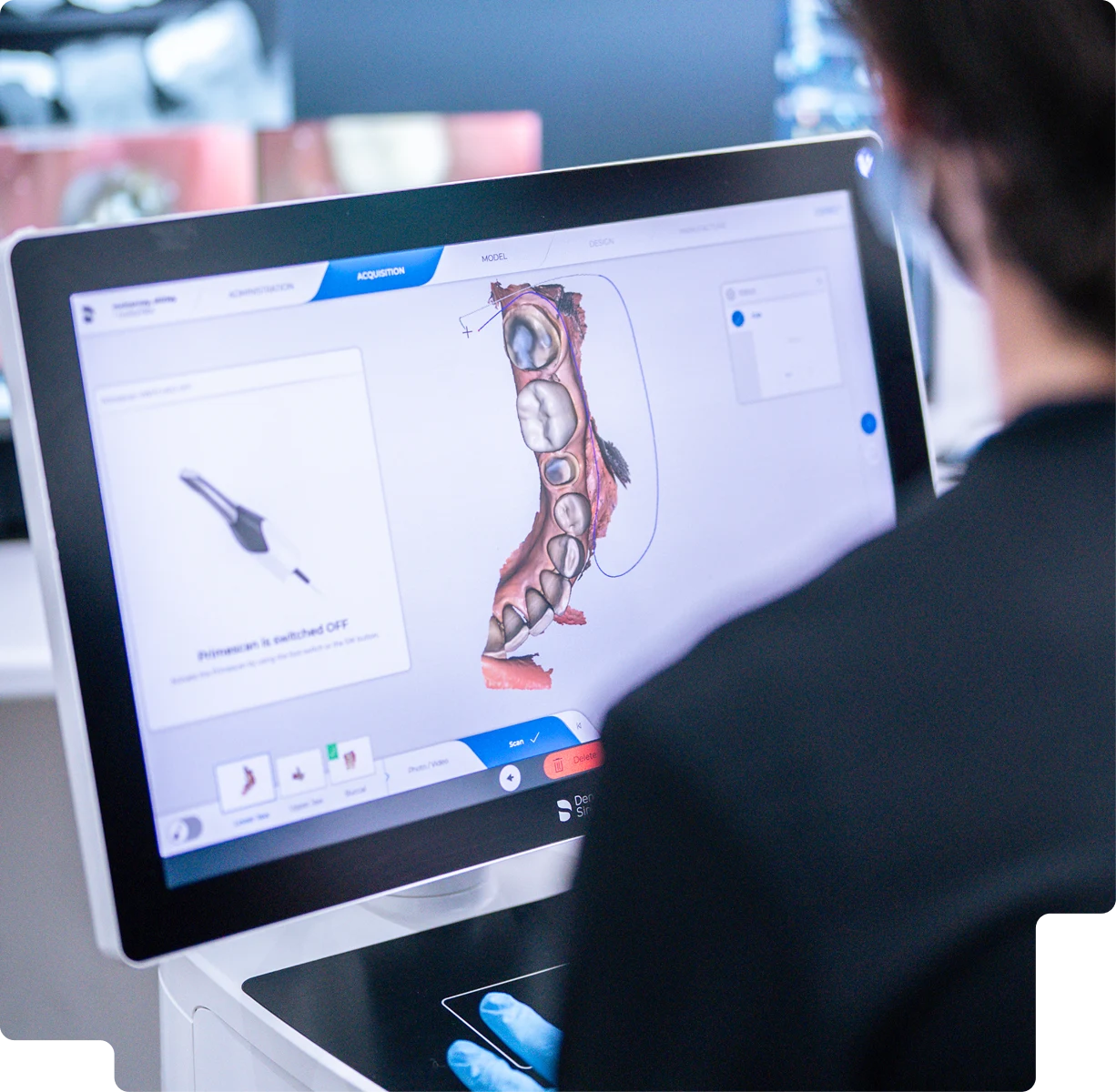
Advanced technology for your comfort
Ready to Learn More?
If you've noticed signs of gum disease or you're overdue for a periodontal check-up, come and see our team. We'll assess what's going on and be straight with you about what treatment looks like. Call 1800 GENTLE (1800 436 853) or contact your closest Dental House Group location to book.
Disclaimer: The material posted is for informational purposes only and is not intended to substitute for professional medical advice, diagnosis or treatment. Results vary with each patient. Any dental procedure carries risks and benefits. If you have any specific questions about any dental and/or medical matter, you should consult your dentist, physician or other professional healthcare providers.
Medically Reviewed by Dr Fong Nien Yong, BDS
Last Reviewed: July 2, 2026
Let’s chat.
Take the first step today. Fill out the form and we will contact you to arrange your consultation.