



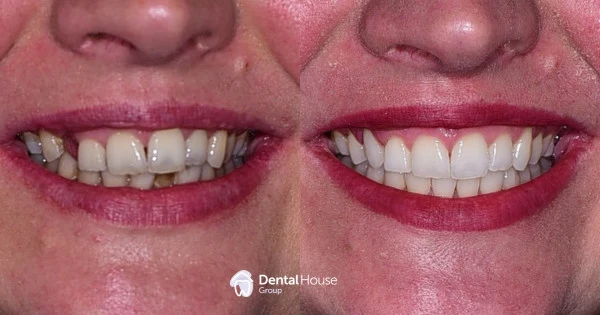
Implant Bridge
Implant Bridge Melbourne
Considering an implant bridge in Melbourne’s north-west? At Dental House Group, our experienced teams across six locations can assess whether an implant-supported bridge may be the right solution for your consecutive missing teeth.
When You're Missing Several Teeth in a Row
A gap of three, four, or five consecutive teeth does more than change how your mouth looks. The remaining teeth can drift, chewing becomes uneven, and the jawbone beneath the gap can begin to deteriorate without tooth roots to keep it stimulated. An implant bridge may help address these concerns by replacing the missing teeth with a fixed restoration supported by implants, rather than relying on adjacent healthy teeth.
Understanding Implant Bridges
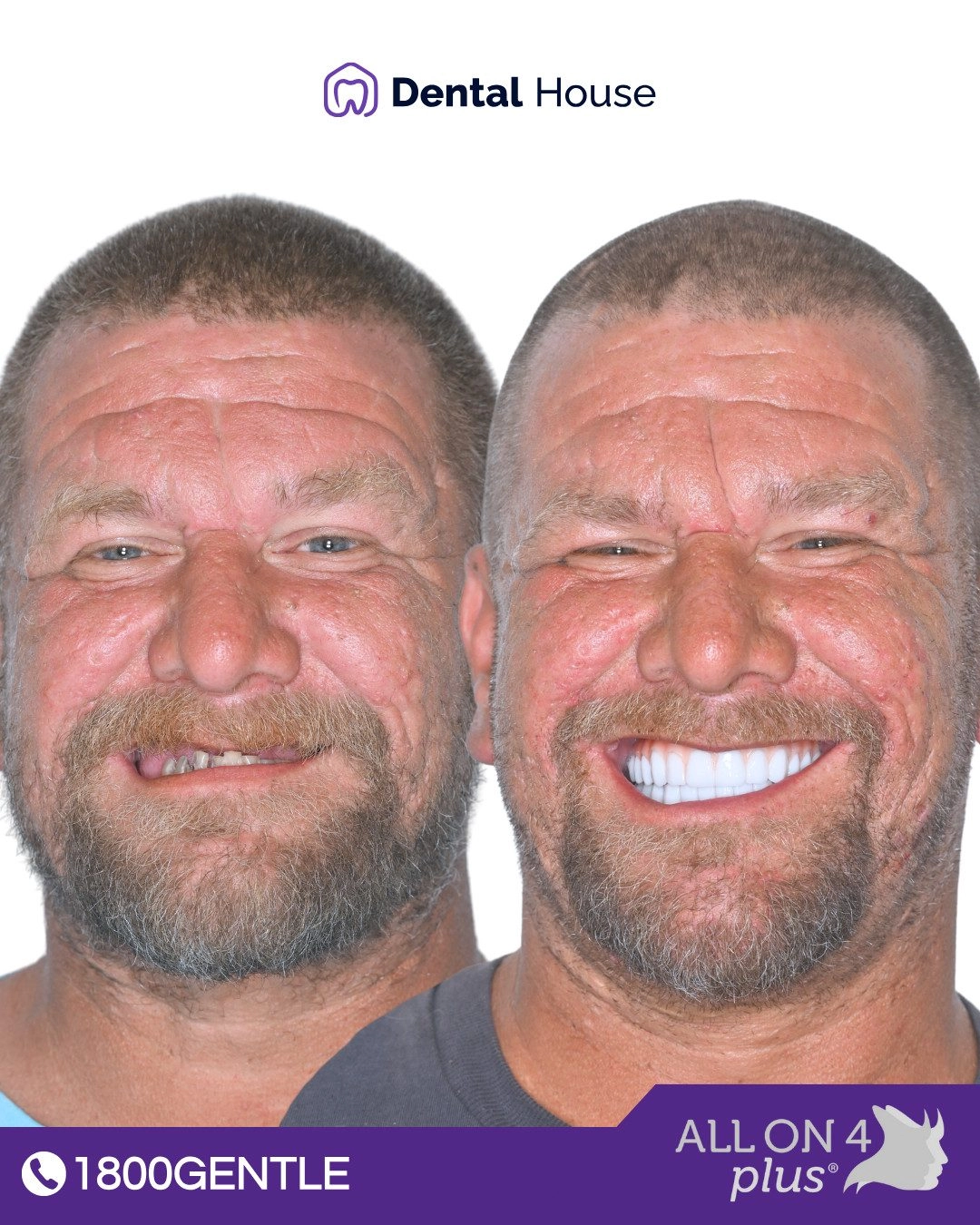
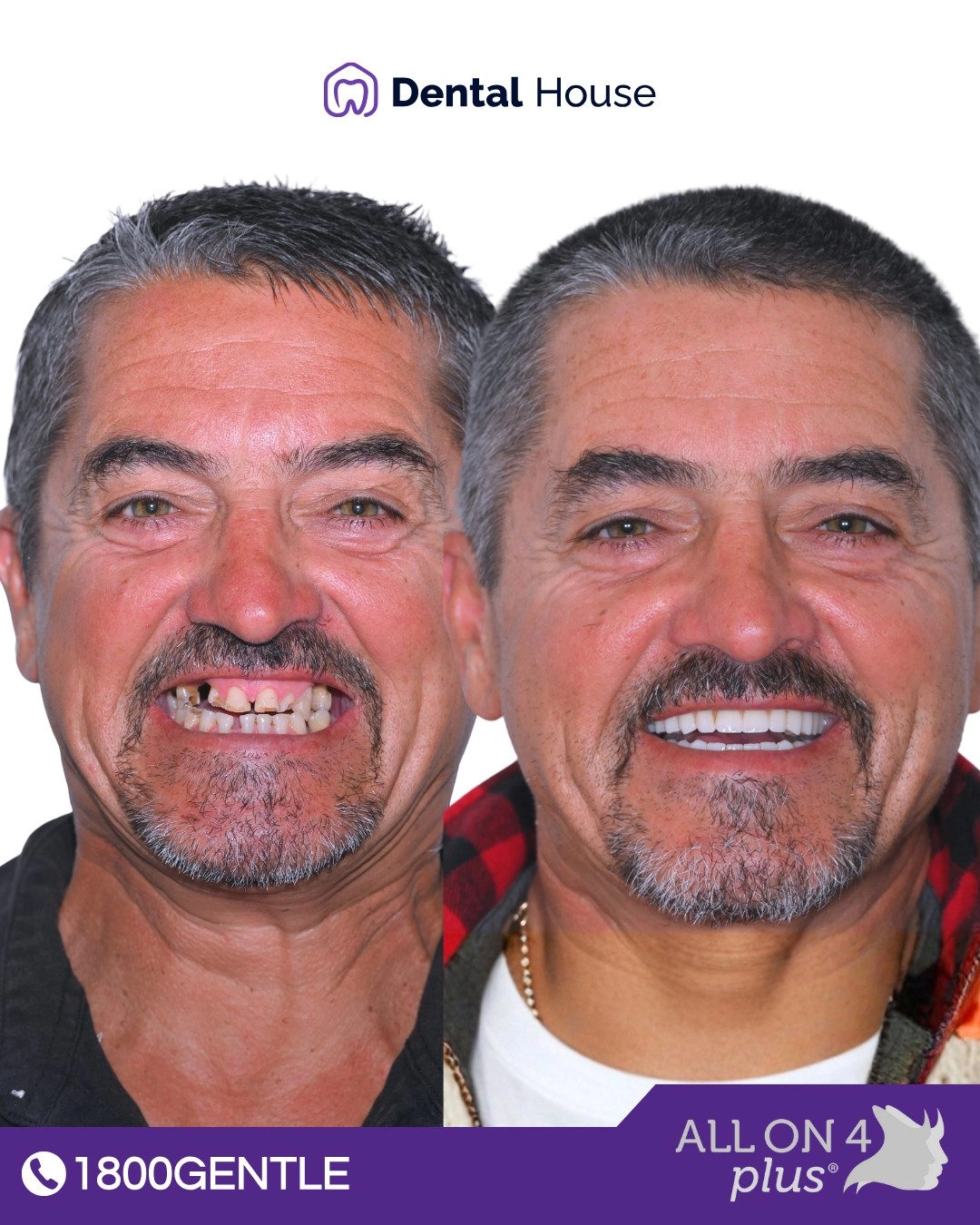
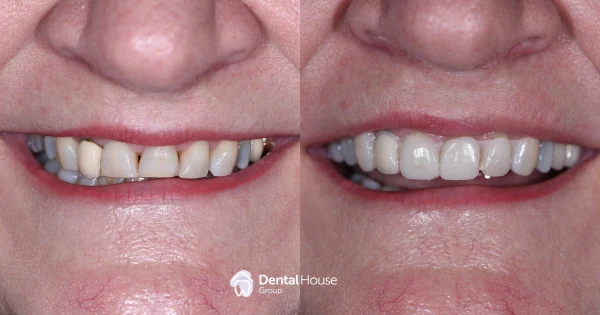
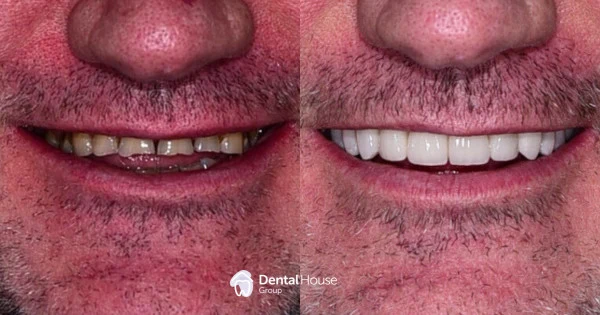
An implant bridge uses strategically placed dental implants to support a fixed bridge prosthetic, replacing multiple consecutive missing teeth without needing an individual implant for every tooth. Typically, two or more implants are placed at either end of the gap, with false teeth suspended between them to fill the space.
This approach differs from a traditional tooth-supported bridge in one important way: it doesn’t require reshaping healthy adjacent teeth for support. The implants are placed directly into the jawbone, which may also help maintain bone density in the area over time. As with all implant treatments, individual suitability depends on bone quality, gum health, and a thorough clinical assessment.
Could an Implant Bridge Be Right for You?
Every case is assessed individually, and a thorough consultation will determine whether an implant bridge suits your situation. Here's what generally needs to be in place.
Your Implant Bridge Journey, Step by Step
Timelines vary based on the number of teeth being replaced, bone quality, and individual healing. Here's what you can generally expect across the process.

Your Comprehensive Assessment
Your dentist examines the gap, assesses bone density and spacing, and uses diagnostic imaging to plan the optimal implant positions for stable bridge support.
(1 visit, approximately 60-90 minutes)

Treatment Planning
You'll talk through the bridge design, implant positioning strategy, alternative options, and whether any preparatory treatment such as bone grafting is needed before placement.
(Same visit or follow-up, approximately 45-60 minutes)

Implant Placement
Supporting implants are placed at strategic positions under local anaesthesia. If dental anxiety is a concern, sedation options including in-house IV sedation are available.
(1 visit, approximately 90-120 minutes)

Healing and Integration
Your implants fuse with the surrounding bone over several months. Temporary solutions are available during this period, and your progress is monitored with scheduled check-ups.
(Typically 3-6 months)

Custom Bridge Fabrication
Digital impressions are taken and your bridge is designed to fill the gap naturally. A trial fitting confirms the fit and function before the final bridge is made.
(2-3 visits over 3-4 weeks)

Final Bridge Placement and Ongoing Care
Your bridge is securely attached to the integrated implants. Regular professional maintenance and good home care are important for long-term outcomes.
(Ongoing visits, typically every 6 months)
Your Comprehensive Assessment
Your dentist examines the gap, assesses bone density and spacing, and uses diagnostic imaging to plan the optimal implant positions for stable bridge support.
(1 visit, approximately 60-90 minutes)
(1 visit, approximately 60-90 minutes)
Treatment Planning
You'll talk through the bridge design, implant positioning strategy, alternative options, and whether any preparatory treatment such as bone grafting is needed before placement.
(Same visit or follow-up, approximately 45-60 minutes)
(Same visit or follow-up, approximately 45-60 minutes)
Implant Placement
Supporting implants are placed at strategic positions under local anaesthesia. If dental anxiety is a concern, sedation options including in-house IV sedation are available.
(1 visit, approximately 90-120 minutes)
(1 visit, approximately 90-120 minutes)
Healing and Integration
Your implants fuse with the surrounding bone over several months. Temporary solutions are available during this period, and your progress is monitored with scheduled check-ups.
(Typically 3-6 months)
(Typically 3-6 months)
Custom Bridge Fabrication
Digital impressions are taken and your bridge is designed to fill the gap naturally. A trial fitting confirms the fit and function before the final bridge is made.
(2-3 visits over 3-4 weeks)
(2-3 visits over 3-4 weeks)
Final Bridge Placement and Ongoing Care
Your bridge is securely attached to the integrated implants. Regular professional maintenance and good home care are important for long-term outcomes.
(Ongoing visits, typically every 6 months)
(Ongoing visits, typically every 6 months)
Risks & Recovery
Implant bridges involve surgery and carry specific risks and recovery considerations that are worth understanding before you proceed.
Possible risks include:
- Swelling, bruising, or discomfort following surgery
- Bleeding during the initial healing period
- Infection at the implant site
- Risk of implant failure if integration with the bone does not occur
Recovery considerations:
- Initial healing generally takes one to two weeks
- Osseointegration can take several months before the bridge can be placed
- A soft diet is often recommended during early healing
- Regular reviews and consistent oral hygiene are essential for long-term outcomes

Invest in Your Oral Health
Quality dental care is an investment in your long-term health and wellbeing. Download our comprehensive price guide today.
Any questions?

How many implants are needed to support a bridge?
It depends on how many consecutive teeth are missing and the available bone at each potential implant site. As a general guide, two to three implants can often support a bridge replacing three to four teeth, but your individual assessment will determine the right number and positioning for your case.
How is an implant bridge different from a regular bridge?
A traditional bridge is supported by crowns placed over the teeth on either side of the gap, which means those healthy teeth need to be reshaped. An implant bridge is anchored to implants in the jawbone instead, leaving adjacent teeth untouched and potentially helping to maintain bone density in the area.
Can an implant bridge replace any number of consecutive teeth?
Implant bridges work well for replacing three to five consecutive missing teeth. Larger gaps may require additional implants or a different approach altogether, such as a full arch restoration. Your treating dentist will discuss the options most appropriate for your situation during assessment.
Making Your Smile Affordable
We offer flexible payment plans to suit your budget. Get the dental care you need, when you need it.



Our Promise To You

Same day emergency dental guarantee*

A caring, gentle approach at every appointment

5 Years warranty on major dentistry*
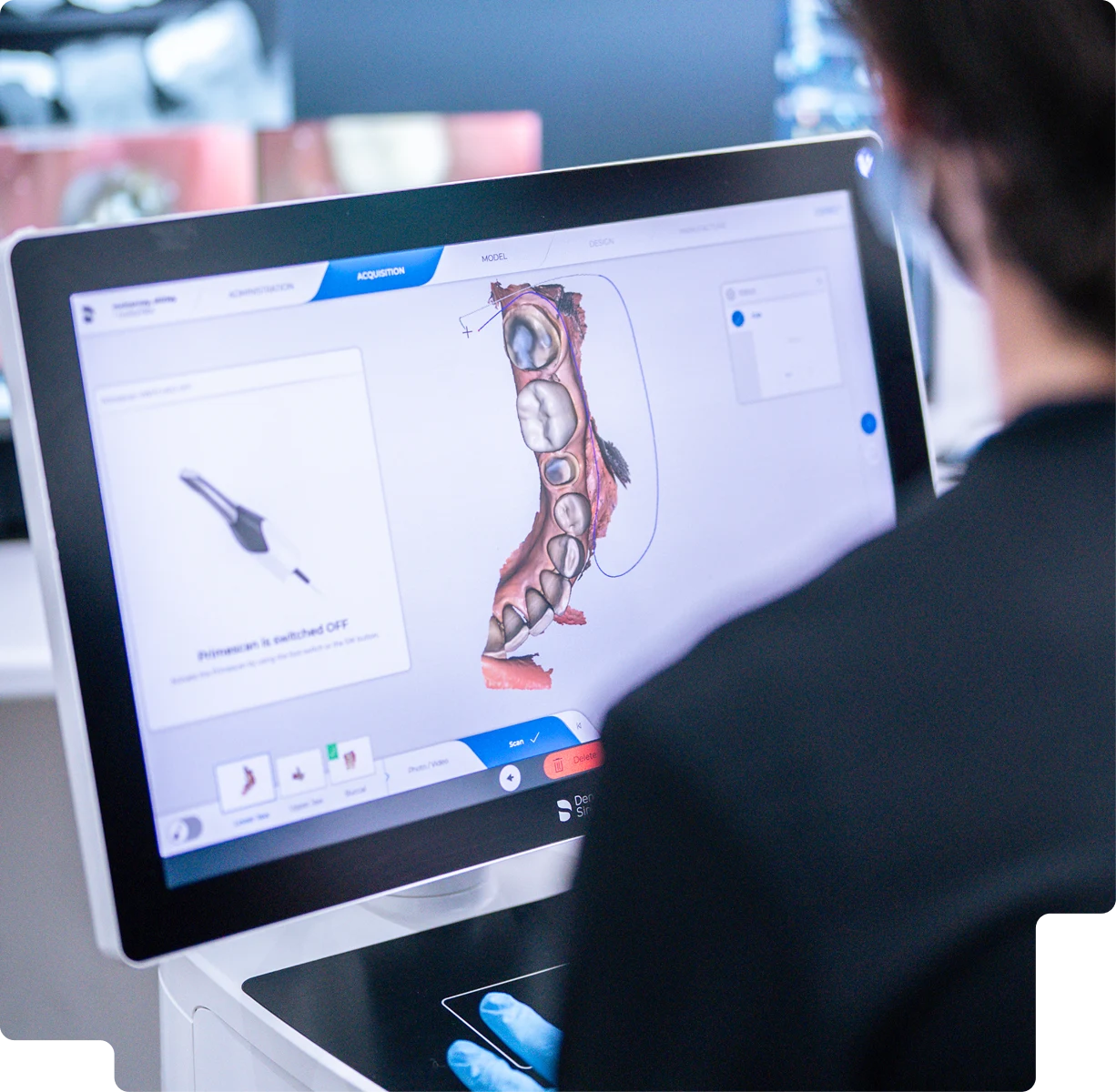
Advanced technology for your comfort
Ready to Learn More?
Book a consultation with your nearest Dental House team to discuss your situation and find out whether an implant bridge may be the right option for you. Call us on 1800 GENTLE (1800 436 853) or contact your closest location directly.
Disclaimer: The material posted is for informational purposes only and is not intended to substitute for professional medical advice, diagnosis or treatment. Results vary with each patient. Any dental procedure carries risks and benefits. If you have any specific questions about any dental and/or medical matter, you should consult your dentist, physician or other professional healthcare providers.
Medically Reviewed by Dr Fong Nien Yong, BDS
Last Reviewed: July 2, 2026
Let’s chat.
Take the first step today. Fill out the form and we will contact you to arrange your consultation.