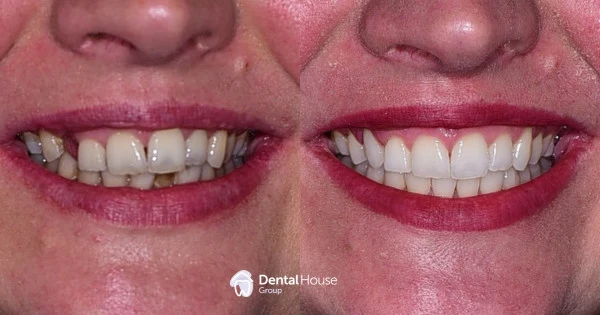
Immediate Dental Implants
Immediate Dental Implants Melbourne
Considering immediate dental implants in Melbourne’s north-west? At Dental House Group, our experienced teams across six locations can assess whether same-appointment implant placement may be a suitable option for your individual situation.
When You'd Rather Not Wait
If you’re facing a tooth extraction, you might be wondering whether an implant can go in at the same time. In the right circumstances, the answer is yes. Immediate dental implants allow for implant placement directly following extraction in a single appointment, though specific clinical conditions need to be in place first. Not every situation is suitable, which is why a thorough assessment always comes first.
Understanding Immediate Dental Implants
With a traditional implant approach, you’d wait for the extraction site to heal before a separate implant procedure. Immediate placement skips that waiting period by placing the titanium post into the jawbone straight after extraction during the same appointment. This may help preserve bone structure and soft tissue contours when the conditions support it.
Here’s something worth knowing upfront: immediate placement combines two surgical steps into one appointment, but it doesn’t shorten the overall healing timeline. The implant still needs several months to fuse with the bone before your final crown can be placed. What you’re saving is a second surgical visit, not healing time.
Could Immediate Dental Implants Be Right for You?
Every case is different, and a careful individual assessment will determine whether immediate placement is clinically appropriate for you. That said, here are the factors that generally need to line up.
Your Immediate Implants Journey, Step by Step
Timelines vary based on tooth condition, bone quality, and how your body heals. Here's what you can generally expect.

Your Comprehensive Assessment
Your dentist examines the tooth, assesses bone quality and infection status, and uses diagnostic imaging to determine whether immediate placement is a viable option for your situation.
(1 visit, approximately 60 minutes)

Treatment Planning
You'll discuss the process in detail, including what happens if immediate placement isn't suitable, what the timeline looks like, and what post-operative care involves.
(Same visit, approximately 30-45 minutes)

Combined Extraction and Implant Placement
The tooth is removed and the implant is placed into the socket in the same appointment, under local anaesthesia. If you experience dental anxiety, sedation options including in-house IV sedation are available. Bone grafting may also be carried out if needed for stability.
(1 visit, approximately 90-120 minutes)

Initial Healing
Your body begins adapting to the implant. Your dentist will monitor stability and tissue response closely, and a temporary restoration may be placed depending on the implant's location and stability.
(First 2-4 weeks, with check-ups)

Osseointegration
The implant gradually fuses with the surrounding bone over several months. Regular monitoring ensures everything is progressing well before the final crown is placed.
(Typically 3-6 months)

Final Crown Placement and Ongoing Care
Your custom crown is attached to the integrated implant. From here, regular professional maintenance and good home care help protect your long-term result.
(2-3 visits over 2-3 weeks, then 6-monthly reviews)
Your Comprehensive Assessment
Your dentist examines the tooth, assesses bone quality and infection status, and uses diagnostic imaging to determine whether immediate placement is a viable option for your situation.
(1 visit, approximately 60 minutes)
(1 visit, approximately 60 minutes)
Treatment Planning
You'll discuss the process in detail, including what happens if immediate placement isn't suitable, what the timeline looks like, and what post-operative care involves.
(Same visit, approximately 30-45 minutes)
(Same visit, approximately 30-45 minutes)
Combined Extraction and Implant Placement
The tooth is removed and the implant is placed into the socket in the same appointment, under local anaesthesia. If you experience dental anxiety, sedation options including in-house IV sedation are available. Bone grafting may also be carried out if needed for stability.
(1 visit, approximately 90-120 minutes)
(1 visit, approximately 90-120 minutes)
Initial Healing
Your body begins adapting to the implant. Your dentist will monitor stability and tissue response closely, and a temporary restoration may be placed depending on the implant's location and stability.
(First 2-4 weeks, with check-ups)
(First 2-4 weeks, with check-ups)
Osseointegration
The implant gradually fuses with the surrounding bone over several months. Regular monitoring ensures everything is progressing well before the final crown is placed.
(Typically 3-6 months)
(Typically 3-6 months)
Final Crown Placement and Ongoing Care
Your custom crown is attached to the integrated implant. From here, regular professional maintenance and good home care help protect your long-term result.
(2-3 visits over 2-3 weeks, then 6-monthly reviews)
(2-3 visits over 2-3 weeks, then 6-monthly reviews)
Risks & Recovery
Immediate dental implants combine two procedures into one appointment, and it's important to understand the risks and what recovery involves before going ahead.
Possible risks include:
- Swelling, bruising, or discomfort following surgery
- Bleeding during the initial healing period
- Infection at the implant site
- Risk of implant failure if integration with the bone does not occur
Recovery considerations:
- Initial healing combines extraction and implant recovery, which may involve more swelling than either procedure alone
- Osseointegration can take several months before final crown placement
- A soft diet is often recommended during early healing
- Regular reviews and consistent oral hygiene are essential for long-term outcomes
Invest in Your Oral Health
Quality dental care is an investment in your long-term health and wellbeing. Download our comprehensive price guide today.
Any questions?
Is immediate implant placement always possible?
Not always, and that’s worth knowing upfront. Immediate placement depends on having adequate bone at the site, no active infection, and the ability to achieve stable initial implant positioning. Your dentist will assess all of these factors and recommend either immediate or staged placement based on what’s clinically appropriate for you.
Does immediate placement mean I get a tooth the same day?
Not quite. Immediate placement means the implant goes in at the time of extraction, but the final crown still can’t be placed until the implant has fused with the bone, which takes several months. A temporary restoration may be possible in some cases depending on location and stability.
Is the recovery harder than a standard implant?
It can involve a bit more initial discomfort since you’re recovering from both an extraction and an implant placement at once. That said, you’re combining what would otherwise be two separate surgical appointments into one, which many patients find worthwhile.
Making Your Smile Affordable
We offer flexible payment plans to suit your budget. Get the dental care you need, when you need it.



Our Promise To You
Same day emergency dental guarantee*

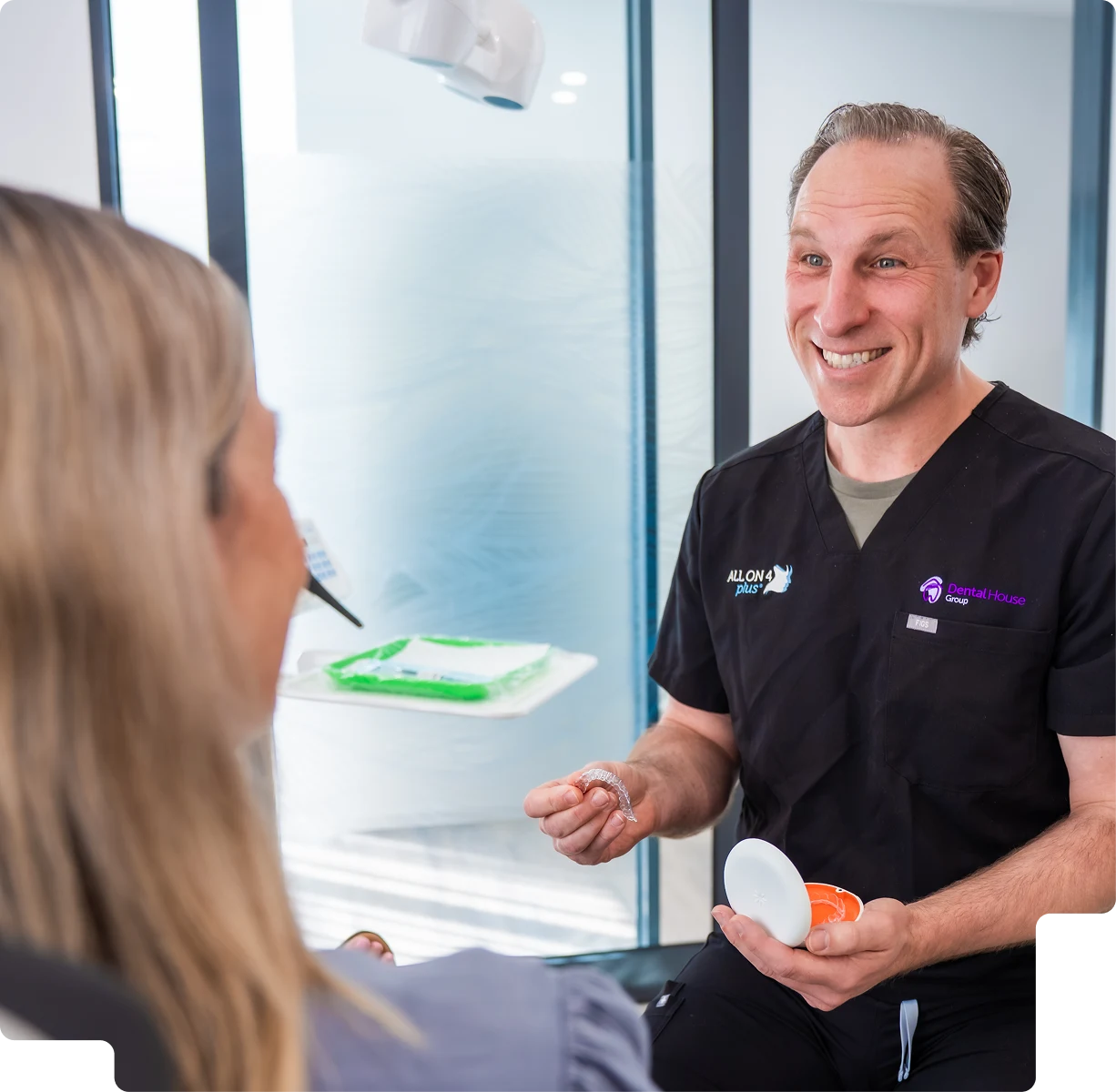
A caring, gentle approach at every appointment
5 Years warranty on major dentistry*
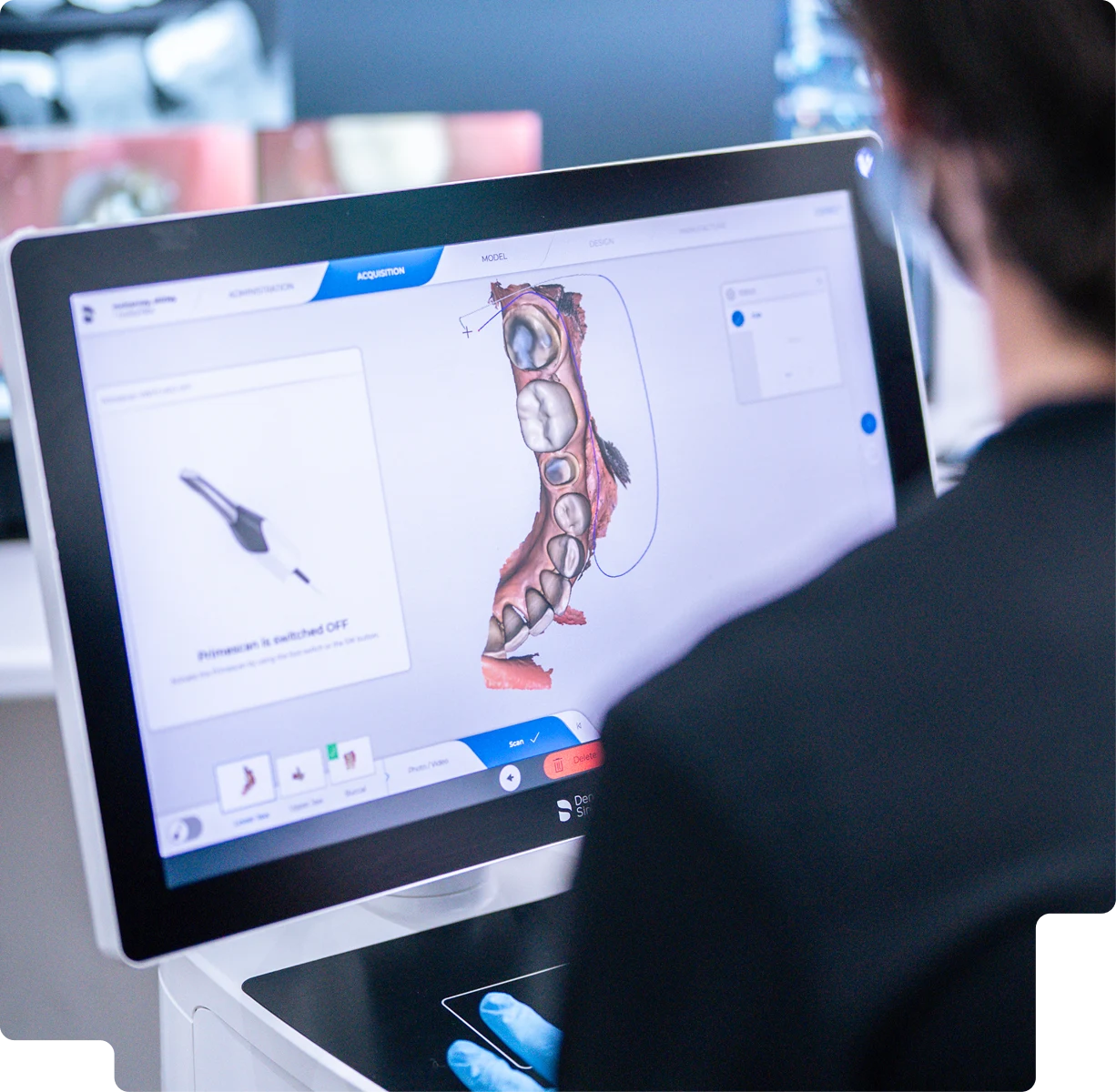
Advanced technology for your comfort
Ready to Learn More?
Book a consultation with your nearest Dental House team to find out whether immediate dental implants may suit your situation. Call us on 1800 GENTLE (1800 436 853) or contact your closest location directly.
Disclaimer: The material posted is for informational purposes only and is not intended to substitute for professional medical advice, diagnosis or treatment. Results vary with each patient. Any dental procedure carries risks and benefits. If you have any specific questions about any dental and/or medical matter, you should consult your dentist, physician or other professional healthcare providers.
Medically Reviewed by Dr Fong Nien Yong, BDS
Last Reviewed: July 2, 2026
Let’s chat.
Take the first step today. Fill out the form and we will contact you to arrange your consultation.