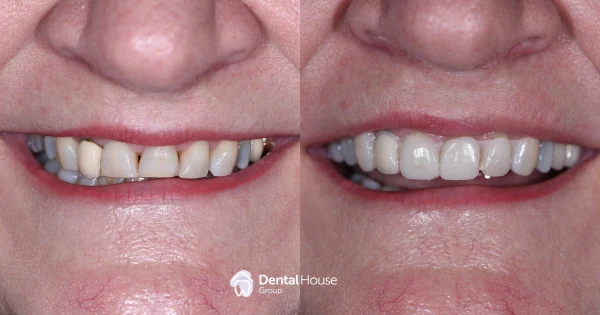
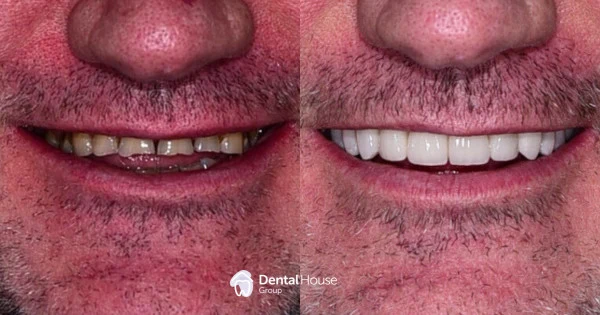
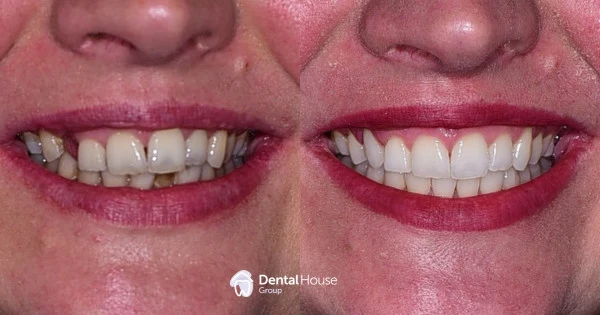
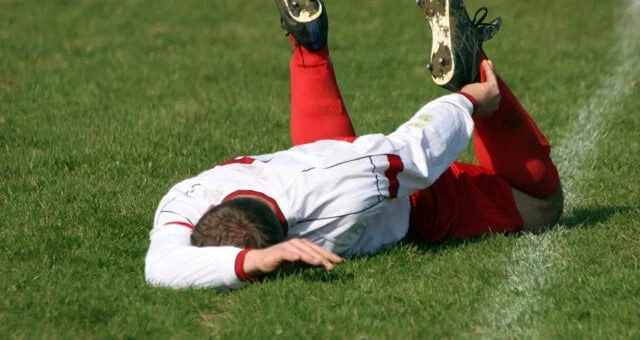
“Accidents happen” is one of those phrases we casually throw around without thinking. But the reality is that accidents can have quite severe consequences for our teeth. The good news is that the trauma of dental injury can be minimised if you know what precautions to take and what to do in the unfortunate event you suffer damage to your teeth.
Don’t assume anything.
Teeth can become cracked, chipped or loose from accidents and failure to get them checked by your dentist may result in otherwise avoidable long term damage.
In cases of dental trauma, check if your usual dentist handles emergency treatments; if not, use Find a Dentist to locate a dental practice to assist you.
If you or your child experience trauma to the teeth, follow the below advice before you reach the dentist.
Knocked-out teeth
Deciduous (baby) teeth
If your child knocks out a ‘baby’ tooth, remain calm and follow the steps listed below:
1. Find the tooth, and hold it by the crown only, not the root.
2. If it is a baby tooth, do not reinsert it back into the mouth. If you are unsure, place the tooth in milk or saliva to transport it to your dentist.
3. See your dentist straight away.
NOTE: The crown is the tooth part visible inside the mouth, while the root anchors the tooth to the jawbone and is not ordinarily visible. Depending on your child’s age, the baby tooth may not have much root structure remaining, and this is because the root resorbs for the tooth to become loose before falling out.
Permanent (adult) teeth
Remain calm and act quickly; ideally, try to see your dentist within 30 minutes.
1. Find the tooth and hold it by the crown only, not the root surface.
2. If the tooth is dirty, rinse it in milk or tap water very briefly, and do not scrub it.
3. Place the tooth back in position inside the mouth.
- Make sure it is facing the right way around.
- Gently bite down on a soft cloth or tissue or use aluminium foil or your mouthguard to hold it in place.
4. If you can’t replant the tooth, transport it to your dentist in milk or saliva. Do not store in water.
NOTE: The crown is the part of the tooth visible inside the mouth, while the root anchors the tooth to the jawbone and is not visible typically.
Do not:
– Do not wrap the tooth in a paper towel or a serviette.
– Do not store the tooth in water when transporting it to the dentist.
– Do not scrub the root surface of the tooth when rinsing it.
– Do not delay seeing a dentist; the sooner you do, the better the long-term outcome may be.
Dental injuries
Alternate forms of trauma to the teeth can include injuries causing a tooth or multiple teeth to become;
1. Moved from their original position (e.g. pushed backwards)
- Try to move the teeth gently back to their original work and close the mouth with a soft cloth or tissue between the front teeth.
2. Cracked, chipped or fractured
- If you find the fractured tooth fragment, take it with you to the dentist.
3. Loose/mobile
4. Pushed up into the gums and bone – the tooth may no longer be visible
It is best to visit your dentist as soon as possible for any of these types of trauma.
If your child develops a toothache, book an appointment with your dentist straight away. In the meantime, rinse your child’s mouth with salty water and use paracetamol for pain relief. If facial swelling is present, your child needs to see a dentist as soon as possible. These recommendations do not apply to babies who are teething.
Prevention
It is recommended that children, teenagers and adults wear a custom-fitted mouthguard made by a dentist. Mouthguards act to absorb and spread the impact of a blow to the face, which may otherwise result in an injury to the mouth or jaw/s. Mouthguards should be worn during training and on game day.
The Australian Dental Association and Sports Medicine Australia have developed a Mouthguard Policy that sports clubs are encouraged to sign up to.
To read the original article, click here.
Give us a call at 1800 GENTLE (1800 436 853) or contact us by submitting the enquiry form below. We will be happy to help.