

You probably know all about tooth decay and dental cavities — and that sugar feeds the bacteria that causes the decay.
The effects of acid on teeth aren’t so well known. Not precisely the scary-looking acid that burns stuff in science-fiction movies, but the natural acids in the food and drinks we consume.
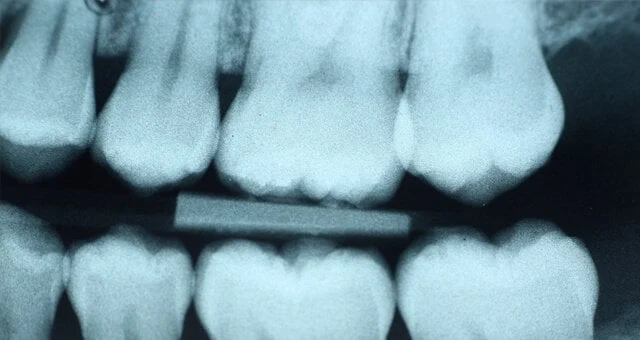
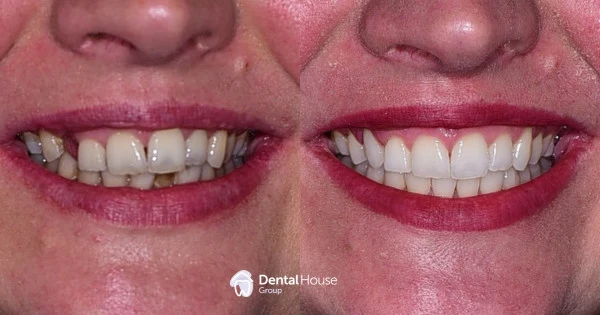
Repeated exposure to high levels of acid can erode teeth, meaning it gradually wears away the tooth’s hard tissues. This is often called ‘acid wear’. While they might seem healthy, juices (as well as kombucha, sports drinks and soft drinks) contain acids that contribute to this problem.
Acid erosion also increases the risk of tooth decay.
Which beverages are the most acidic?
Making fresh juice at home has become popular. Still, juice can contain high acid levels — as do soft drinks, sugar-free drinks, vitamin waters and even vitamin C tablets. (If you take vitamin C tablets, swallow them whole rather than chewing.)
These beverages are very acidic:
- soft drinks (both sugar-free and those containing sugar)
- energy drinks
- citrus fruits (for example, lemons, limes, oranges)
- most fruit juices
- kombucha
- most cordials
- vitamin waters
- wine
- pre-mixed alcoholic drinks
Beverages containing caffeine, such as coffee, also increase erosion risk because they reduce saliva production — saliva helps protect teeth.
Preventing acid erosion in teeth
It’s essential to take steps to protect your teeth from acid wear. In the early stages of erosion, the acid strips away the top layers of tooth enamel. Later on, the acid can expose the next layer (the softer ‘dentine’ underneath the tooth enamel) or even the central pulp of the tooth (its soft centre, which contains blood vessels and nerves).
If left untreated, dental erosion can eventually lead to the loss of tooth structure, which requires complex, time-consuming and potentially costly dental treatments.
You don’t have to quit your beverage of choice entirely — especially if it offers some benefits, such as vitamins and minerals — but it’s a good idea to follow these tips:
- Drink plenty of water, especially between meals and juices or smoothies.
- If you drink acidic beverages, try to do it while eating meals because the extra saliva production will help neutralise the acid.
- Use a (reusable) straw for drinking soft drinks, juices and sports beverages, as this will reduce the amount of acid your teeth are exposed to.
- Beware of claims that sugar-free beverages are better for your teeth. The lack of sugar may be suitable for preventing dental decay, but the drink may still be acidic.
- Avoid brushing your teeth straight after consuming acidic foods and drinks since it can help strip the now-softened top layer of enamel.
Packaged drinks: How To Read The Label
If you’re a fan of packaged drinks, such as sports drinks, one quick way to work out whether your beverage is too acidic or contains too much sugar is to get familiar with the ingredients, says the Australian Dental Association.
Look for things like citric acid (a flavour enhancer) or sodium benzoate (a preserving agent) to check for acidity. As a rule, if the ingredient ends in ‘-ate’, it’s an acidic preservative of some kind. Check not just for the word ‘sugar’ but also for honey, rice syrup and even the healthy-sounding ‘organic dehydrated cane juice’.
The bottom line
Water is always the best way to quench a thirst. In most parts of Australia, it’s on tap and free — and contains fluoride, a safe, naturally occurring mineral that helps fortify teeth. If you love your beverages, consume acidic drinks and foods in moderation and follow the tips above.
If you love fruit (and veggies), opt for whole fruits instead of juice as they contain fibre and less sugar and are more filling.
Are you concerned about dental erosion or decay? See your dentist.
To read the original article, click here.
Give us a call at 1800 GENTLE (1800 436 853) or contact us by submitting the enquiry form below. We will be happy to help.