
Hi, Dr Linda here from Dental House Group in Melbourne.
Gum recession is something many patients don’t notice until it becomes a bigger problem; however, the earlier we catch it, the easier it is to manage. So, how do you know if your gums are starting to recede? And more importantly, what can you do about it?
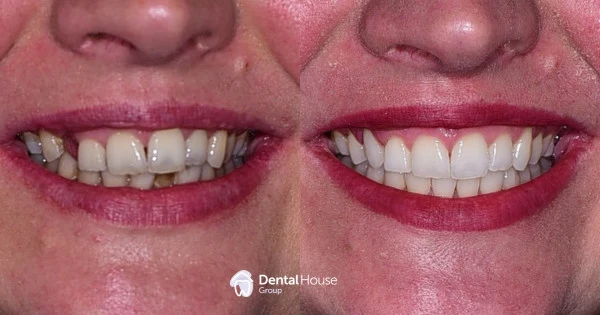
One of the first signs of gum recession is tooth sensitivity, especially to hot or cold foods. You might also notice that your teeth look longer than before, or you may feel a notch near the gum line where the gum has pulled back. Some patients even experience slight bleeding when brushing or flossing, which can be an early warning sign.
So, what actually causes gum recession? The most common issues are aggressive brushing, gum disease, genetics, or teeth grinding. Even misaligned teeth can put extra pressure on certain areas, causing the gums to slowly pull back over time.
The good news is, if we catch it early, we can slow or even stop the progression. Switching to a soft-bristled toothbrush, using gentle brushing techniques, and addressing grinding with a custom nightguard can make a huge difference. If the recession is caused by gum disease, professional cleanings and targeted treatments can help restore gum health.
For more advanced cases, gum grafting procedures can rebuild lost tissue and protect your teeth from further exposure. The key is early intervention: the sooner we address it, the better the outcome.
So if you have noticed sensitivity, receding gums, or any changes in your smile, let’s take a look. Simply DM us or call 1800 GENTLE to book a consultation; we will help you keep your gums and teeth healthy for the long run.