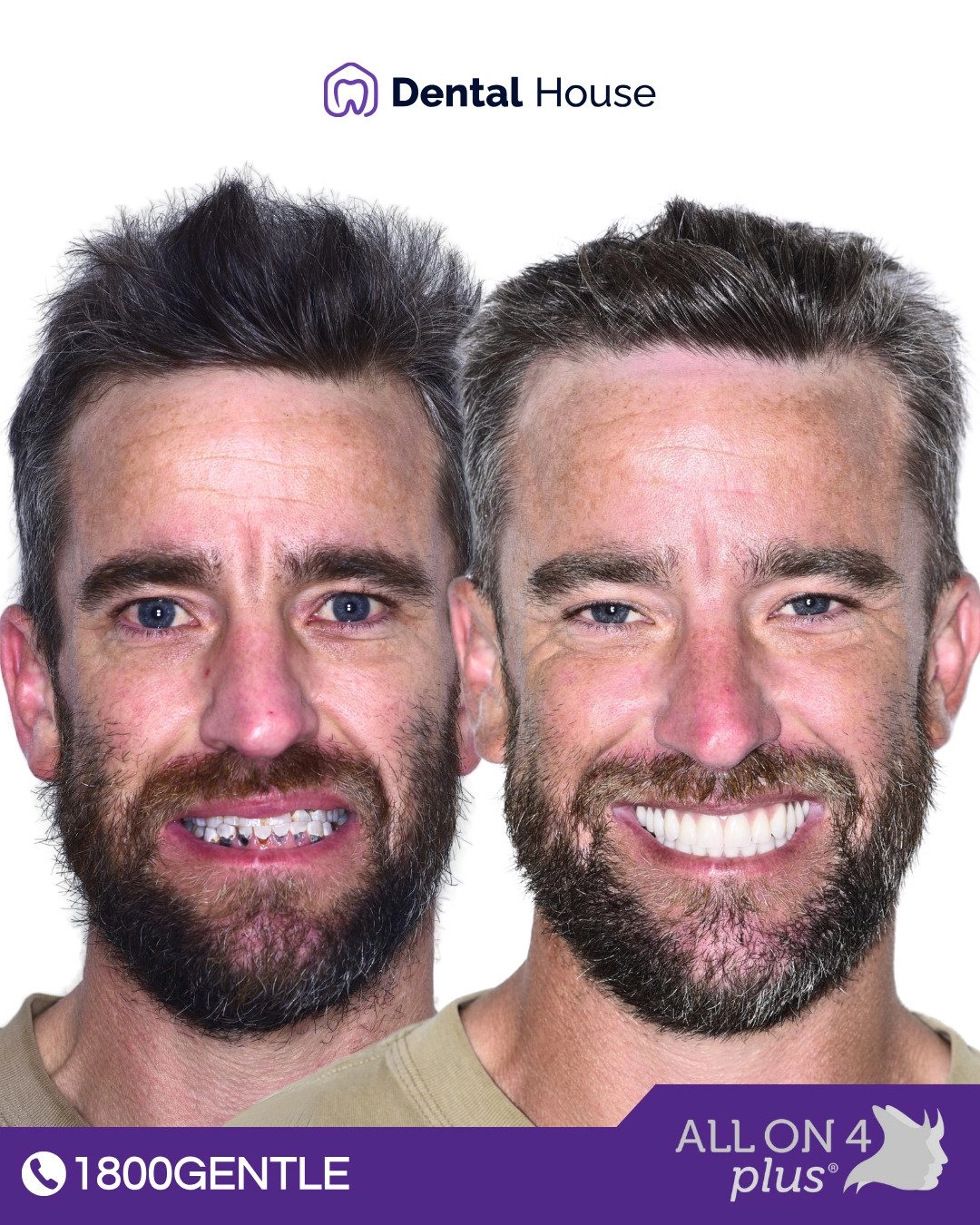
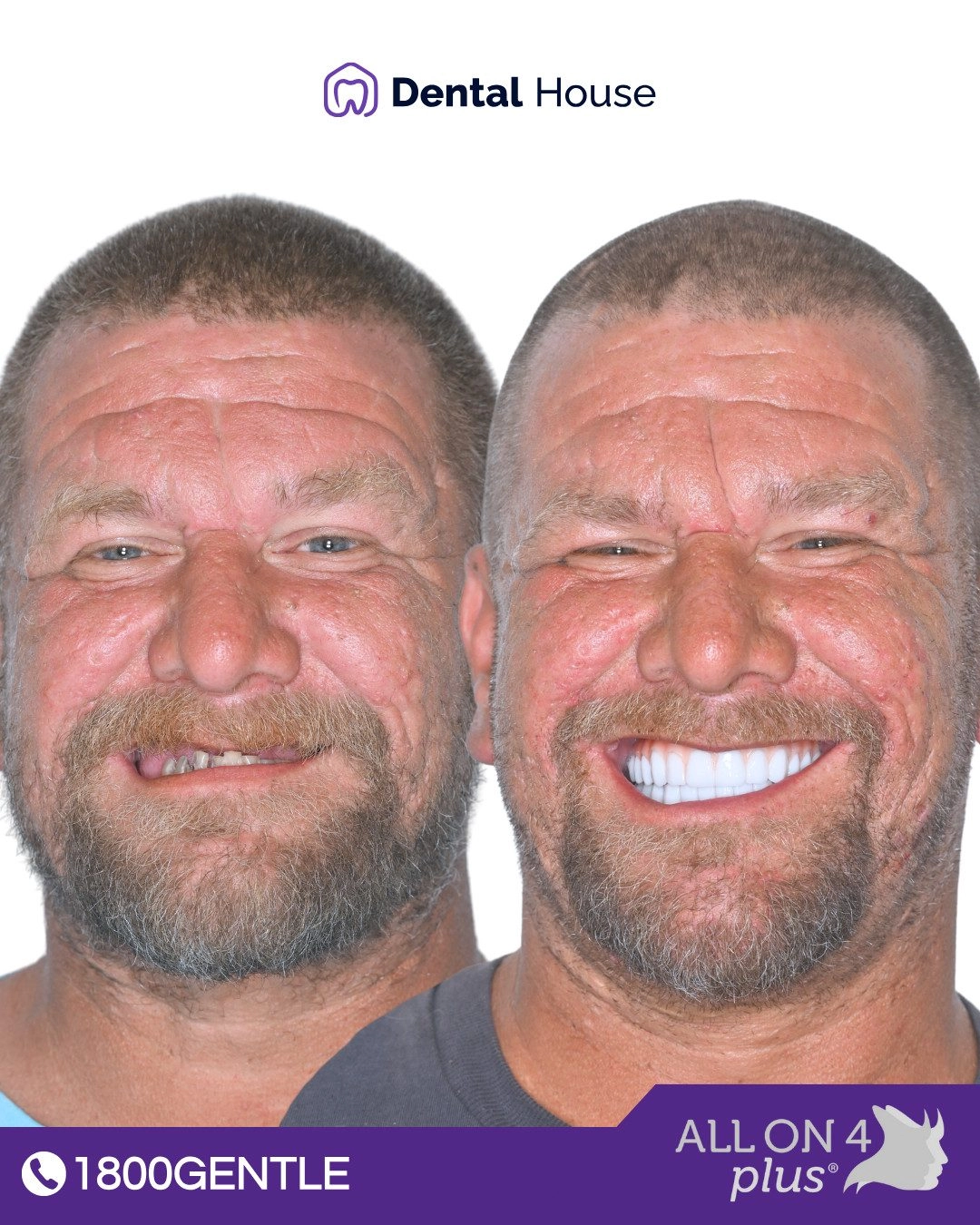
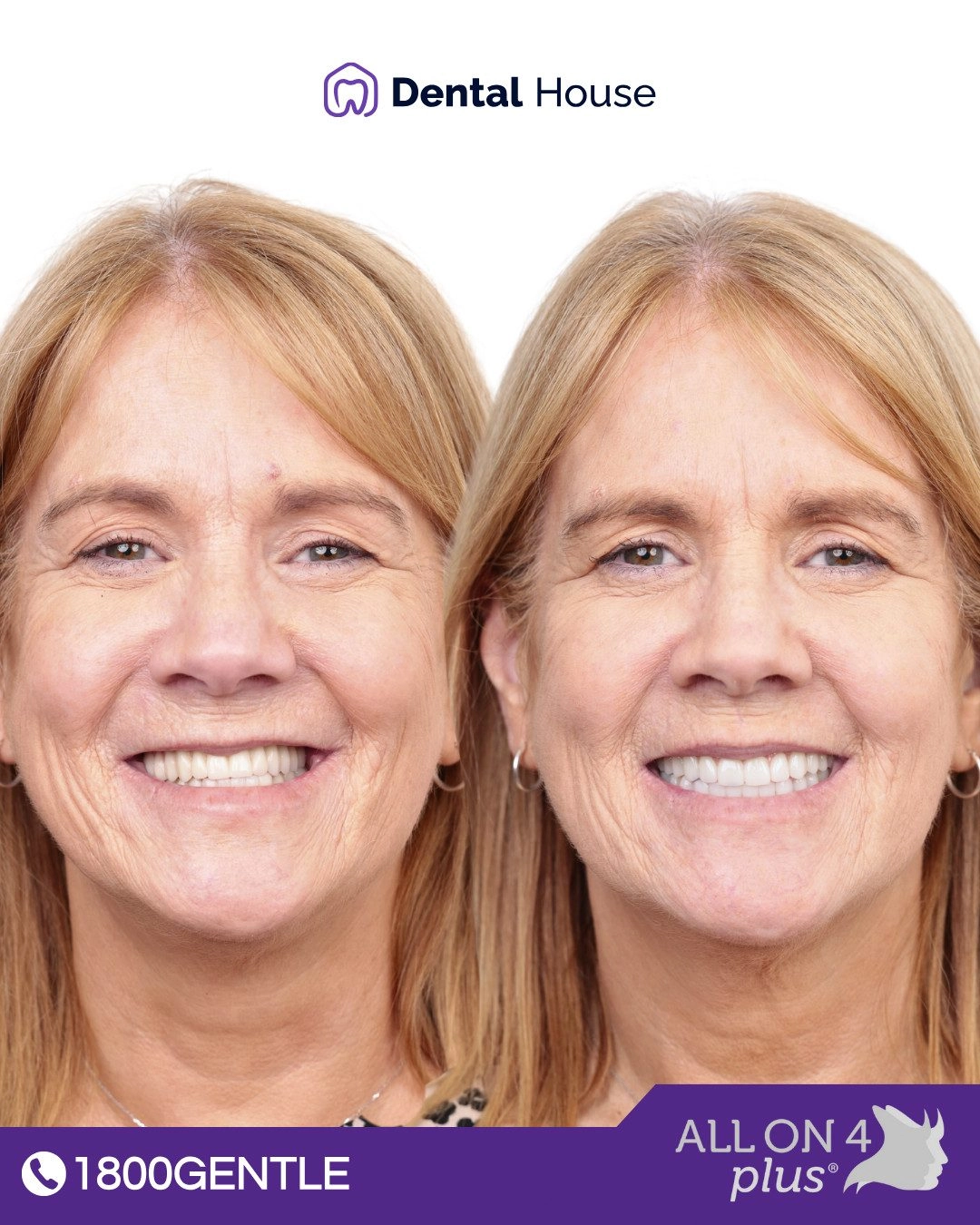

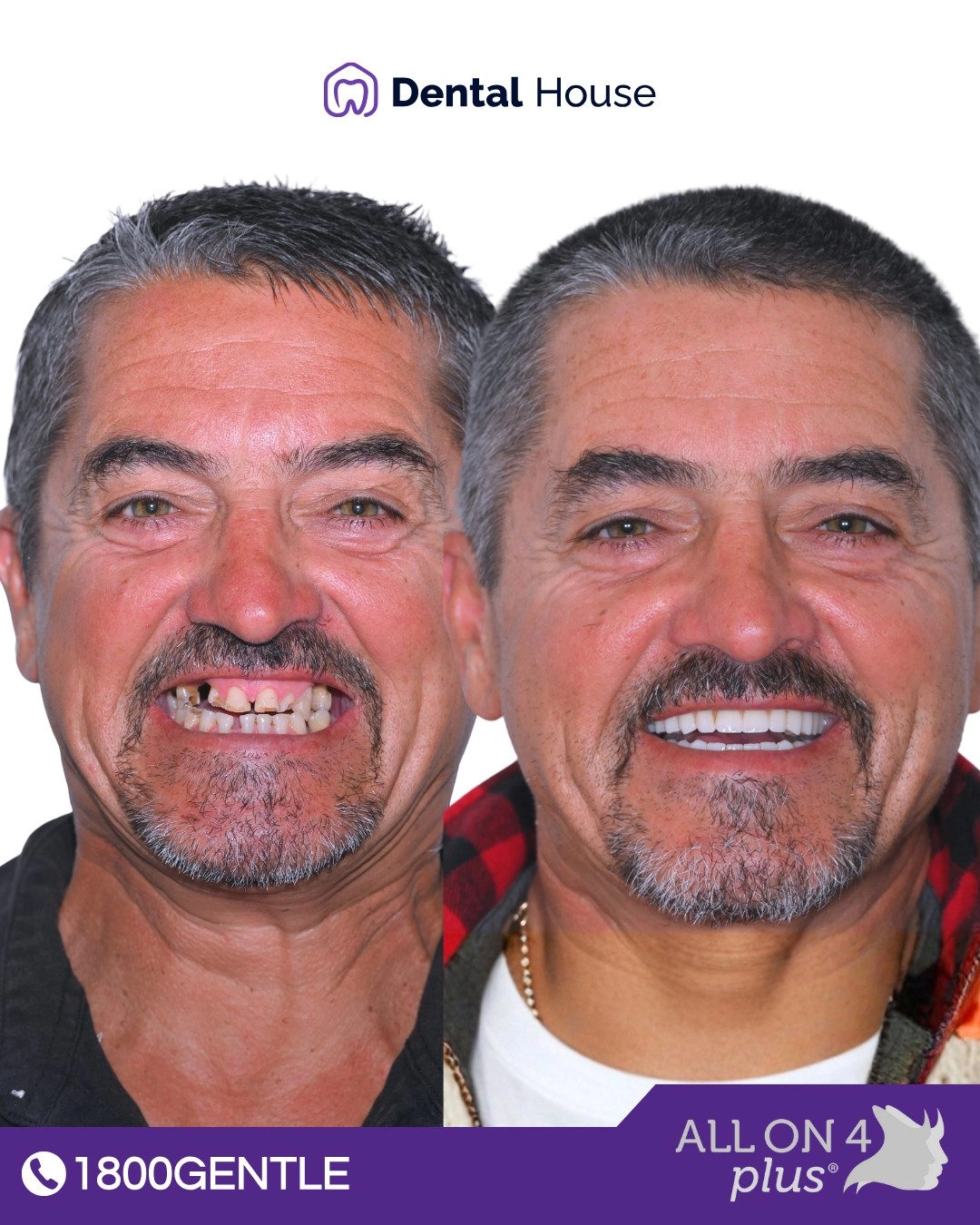
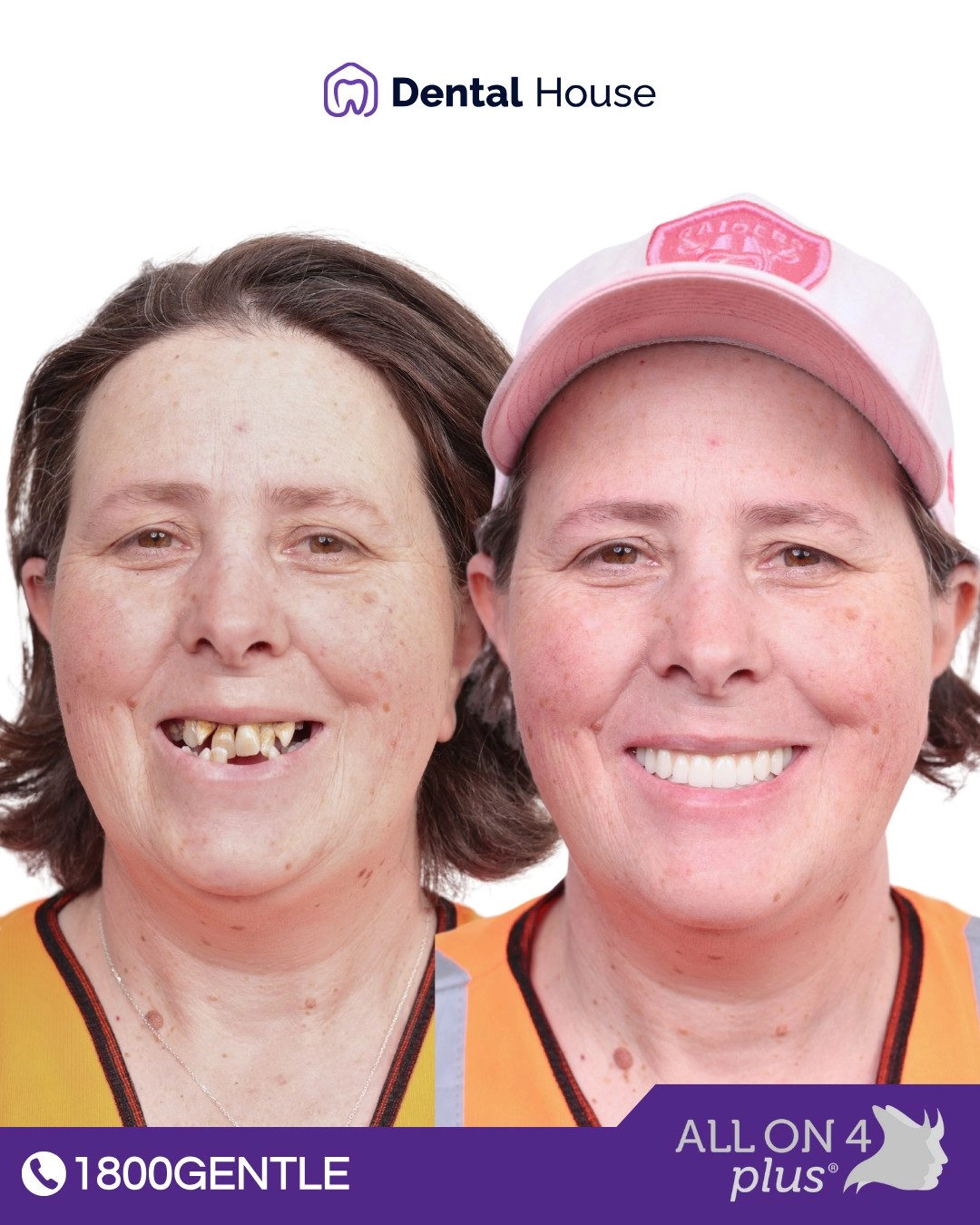
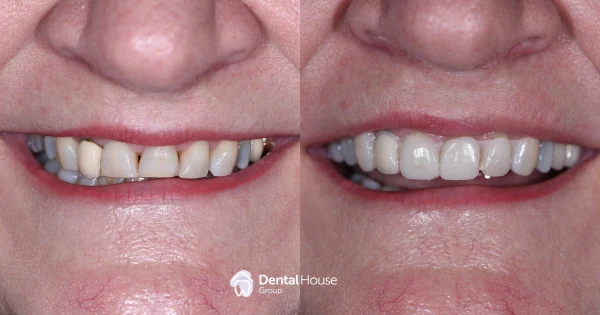
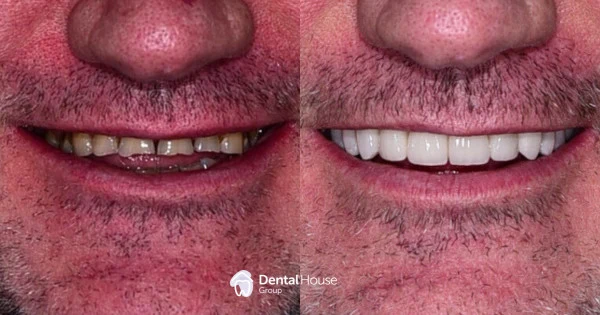
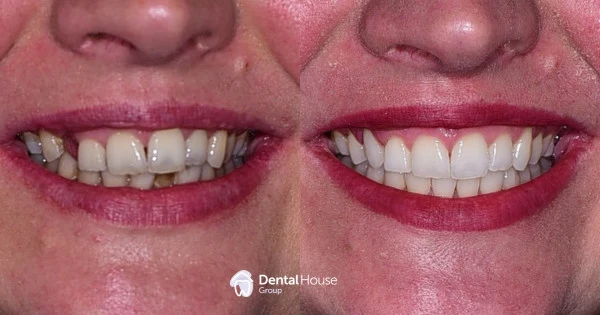
When a tooth becomes significantly damaged through decay, trauma, or wear, you might wonder what options exist beyond simple fillings. For severely compromised teeth, dental crowns represent one treatment approach that may help restore both form and function.
At Sunbury Dental House, we regularly discuss crown treatment with patients from Sunbury, Gisborne, and Diggers Rest who are dealing with damaged teeth. Understanding how dental crown tooth shape restoration works can help you make informed decisions about your oral health care.
Understanding Dental Crown Treatment
A dental crown is a tooth-shaped restoration that may be placed over a prepared natural tooth. The crown is designed to cover the entire visible portion of the tooth above the gum line, potentially restoring both form and function to damaged teeth.
Dental crowns may be recommended when:
- A tooth has extensive decay that cannot be adequately restored with a filling
- A tooth has been fractured or cracked
- A tooth has undergone root canal treatment
- A tooth is severely worn or weakened
- Aesthetic concerns exist with front teeth
- A large filling needs replacement
The treatment involves removing damaged or weakened tooth structure and reshaping the remaining tooth to accommodate the crown. Individual circumstances vary, and your dentist will assess whether crown treatment is appropriate for your specific situation.
The Science Behind Dental Crown Tooth Shape Restoration
Effective dental crown tooth shape restoration relies on several key principles that aim to replicate natural tooth anatomy and function. Understanding these principles helps explain how crowns may address various dental problems.
Structural Support
Natural teeth have an outer enamel layer protecting inner dentin around the pulp. When significant tooth structure is lost, the remaining tooth may weaken. A crown may provide external support by encasing the prepared tooth, potentially distributing chewing forces more evenly.
Bite Restoration
Proper bite function depends on teeth contacting correctly during chewing. Damaged teeth often cannot maintain their original shape, affecting bite alignment. Dental crown tooth shape restoration aims to recreate appropriate tooth contours that work with opposing teeth.
Material Properties
Modern crown materials withstand normal chewing forces while providing appropriate aesthetics:
- Porcelain crowns may provide excellent aesthetics for front teeth
- Porcelain-fused-to-metal may combine strength with appearance
- All-ceramic crowns may offer durability and natural appearance
- Gold crowns may provide excellent longevity for back teeth
The Crown Preparation and Restoration Process
Understanding how dental crown tooth shape restoration is achieved helps patients know what to expect during treatment. The process typically involves several steps, though individual treatment plans may vary.
Initial Assessment
Your dentist will examine the damaged tooth to determine if crown treatment is appropriate. This may include clinical examination, X-rays, and discussion of treatment options.
Tooth Preparation
The tooth requires preparation to accommodate the restoration:
- Local anaesthetic for comfort
- Removing damaged tooth structure
- Reshaping the tooth for crown placement
- Taking impressions or digital scans
Temporary Crown
A temporary crown may be placed while the permanent restoration is being made to protect the prepared tooth.
Final Crown Placement
The permanent crown is assessed for fit, bite, and appearance before permanent placement.
How Crowns Address Different Types of Tooth Damage
Dental crown tooth shape restoration can address various forms of tooth damage, though the approach may differ depending on the specific problem.
Extensive Decay: When decay affects a large portion of a tooth, crowns may help by covering remaining healthy tooth structure, restoring original shape, and providing strength for normal function.
Fractures and Cracks: Fractured teeth often require comprehensive restoration. Crowns may help by holding cracked segments together, preventing crack propagation, and restoring normal contours.
Worn Teeth: Teeth worn due to grinding or erosion may benefit from crown restoration by restoring lost height, re-establishing proper bite relationships, and protecting against further wear.
Factors Affecting Crown Treatment Success
Several factors may influence the success of dental crown tooth shape restoration:
Remaining Tooth Structure: The amount of remaining natural tooth affects crown retention. Teeth with minimal structure may require additional procedures such as core build-up or post placement.
Oral Health Status: Good oral hygiene and healthy gums are important for success. Active gum disease may require treatment before crown placement.
Bite Factors: Individual bite patterns may influence crown longevity. Heavy grinding or misaligned bites may create excessive forces on crowns.
Caring for Crowned Teeth
Proper care following dental crown tooth shape restoration is important for maintaining treatment outcomes:
Daily Care:
- Brush twice daily with fluoride toothpaste
- Floss daily around crowned teeth
- Avoid chewing hard objects
- Consider a night guard if grinding occurs
Professional Maintenance:
- Regular dental check-ups and cleanings
- Professional assessment of crown condition
- Early intervention if problems develop
Most crowns may last many years with proper care, though individual results vary based on oral hygiene, bite forces, and material selection.
What This Means for Your Dental Health
Dental crown tooth shape restoration represents one approach to addressing significantly damaged teeth. When appropriately selected and properly executed, crowns may help restore tooth function and appearance while protecting remaining natural tooth structure.
The success of crown treatment depends on various factors including proper case selection, quality of remaining tooth structure, and ongoing oral health maintenance. For residents of Sunbury, Gisborne, and Diggers Rest dealing with damaged teeth, crown treatment may be worth discussing with a qualified dental professional.
Individual circumstances vary significantly, and what works well for one patient may not be appropriate for another. A thorough examination and consultation are essential to determine the most suitable treatment approach for your specific dental needs.
Learn More About Crown Treatment Options
If you have a damaged tooth and would like to understand your restoration options, we encourage you to schedule a consultation to discuss your individual circumstances.
At Sunbury Dental House, our team provides comprehensive information about various treatment approaches, including dental crown tooth shape restoration. We use modern diagnostic techniques and take time to explain treatment options, potential benefits, risks, and expected outcomes.
Call us on 1800 436 853 or fill out our enquiry form to schedule your consultation. We’ll assess your dental health and help you understand which treatment options may be most suitable for your situation.