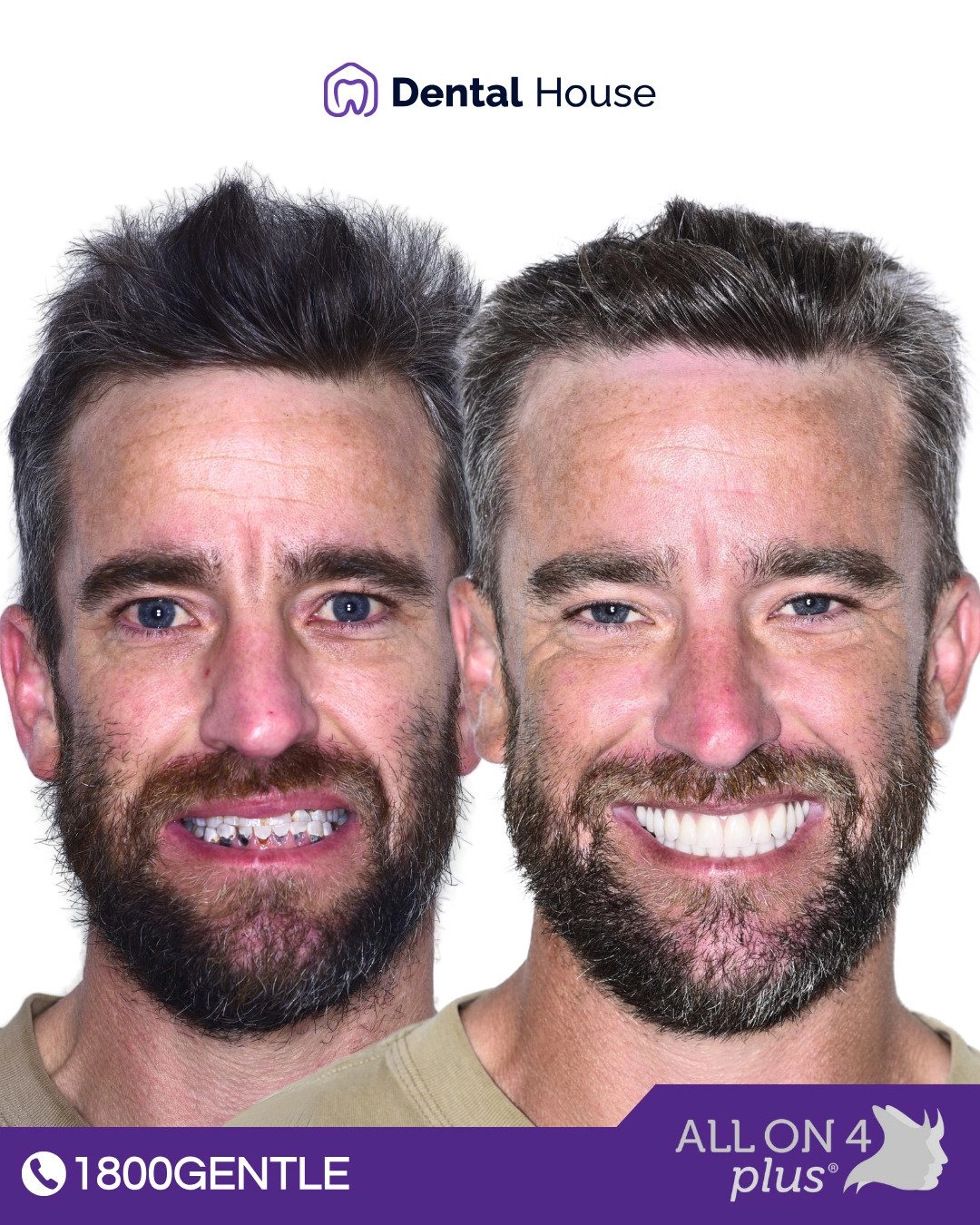
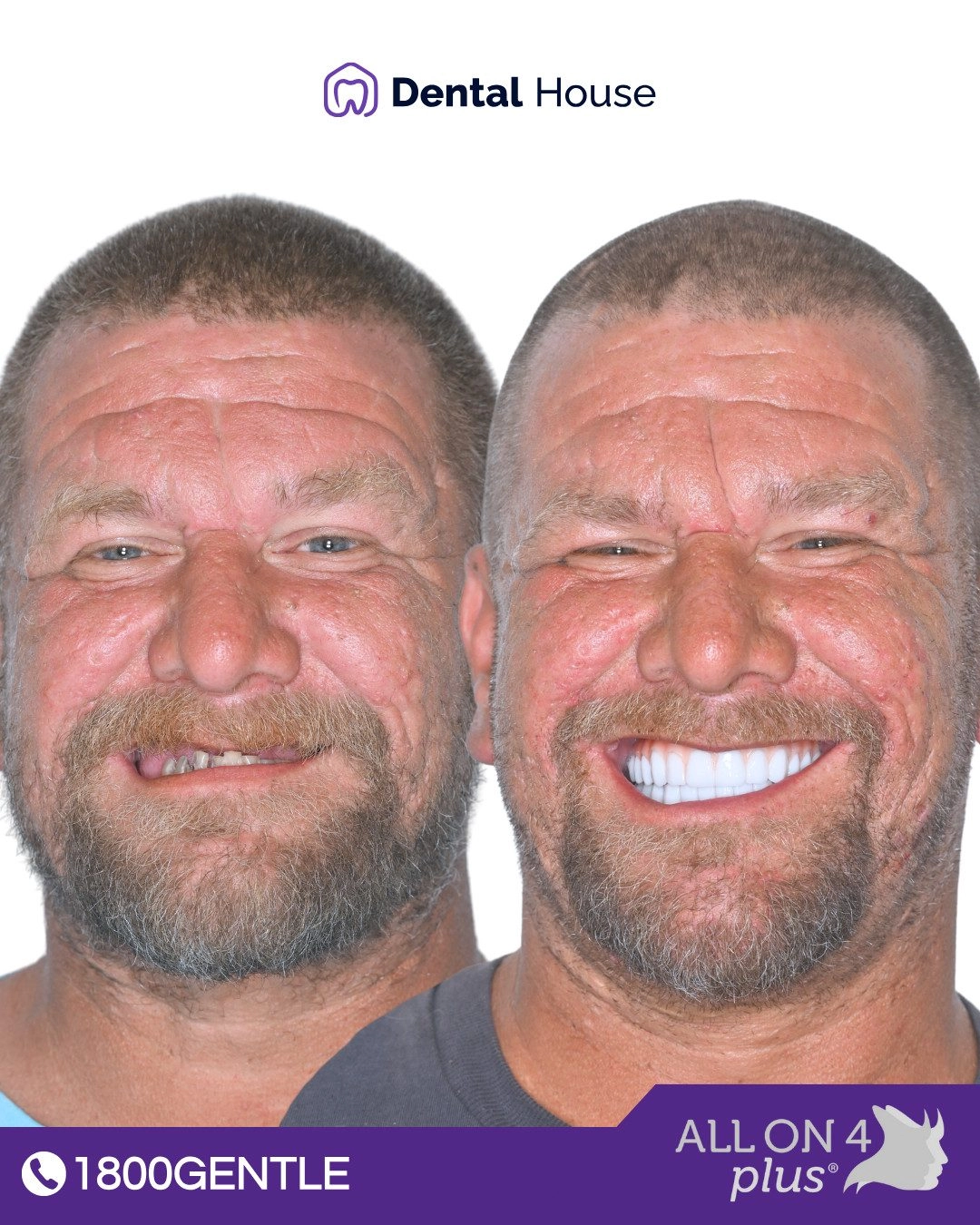
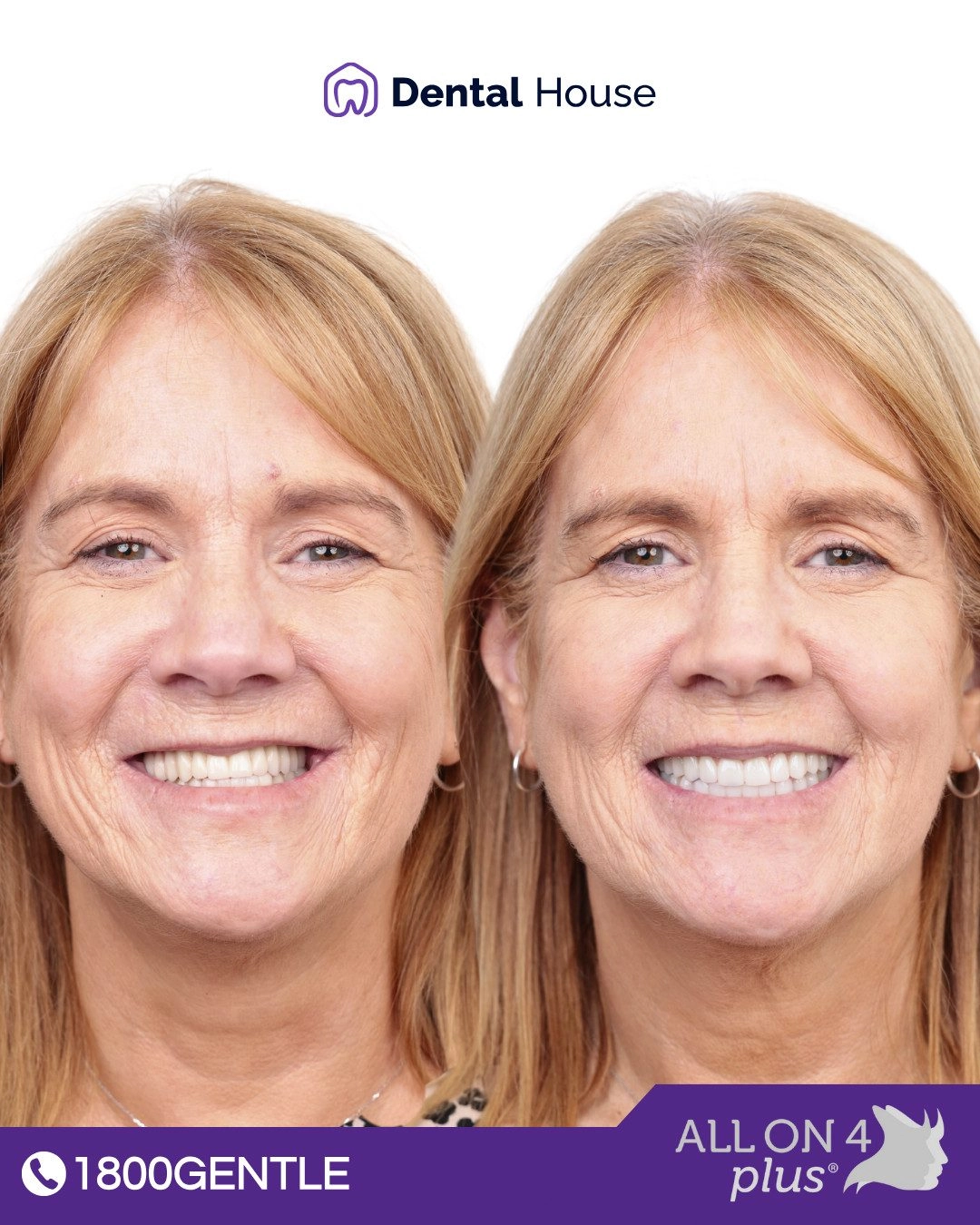
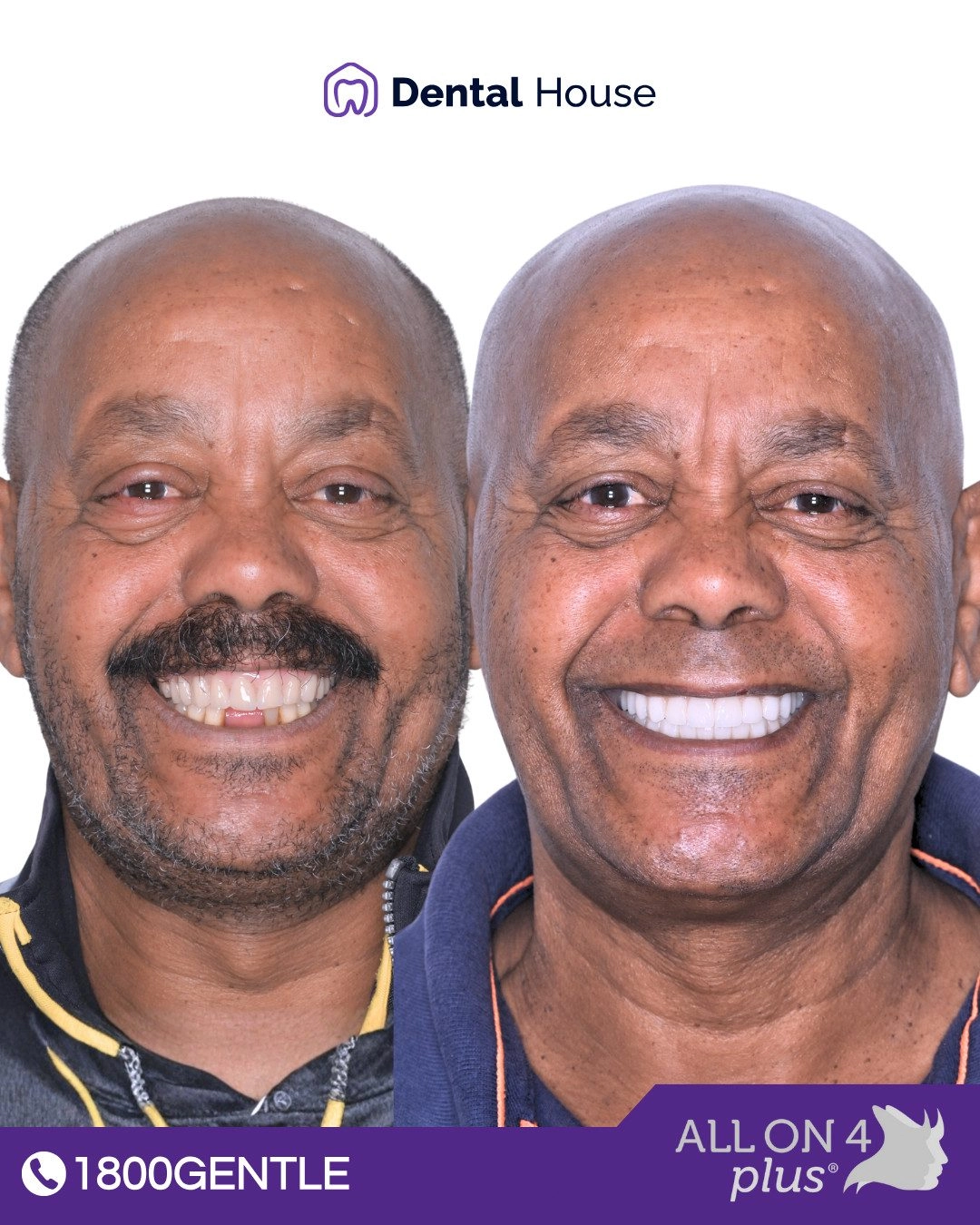
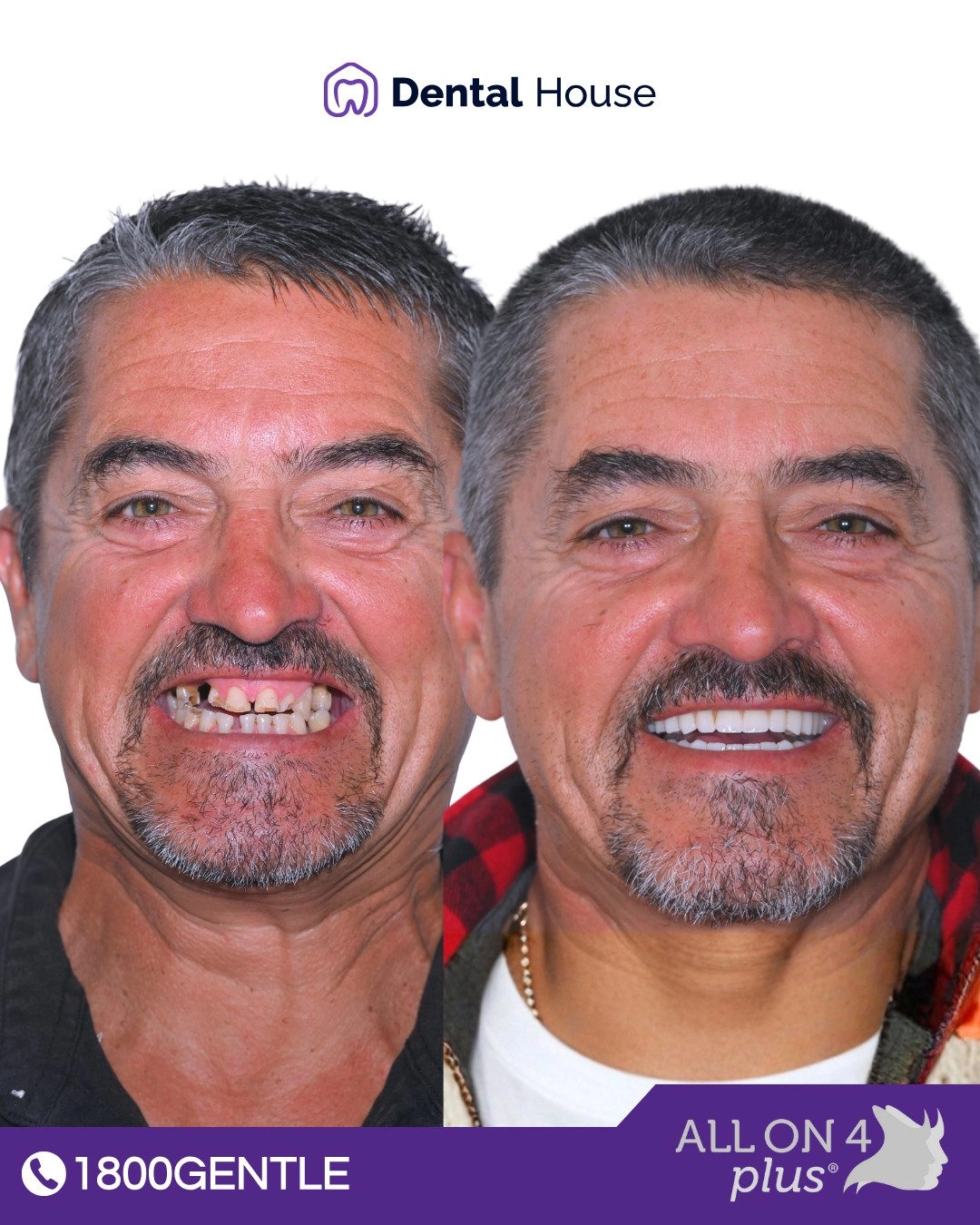
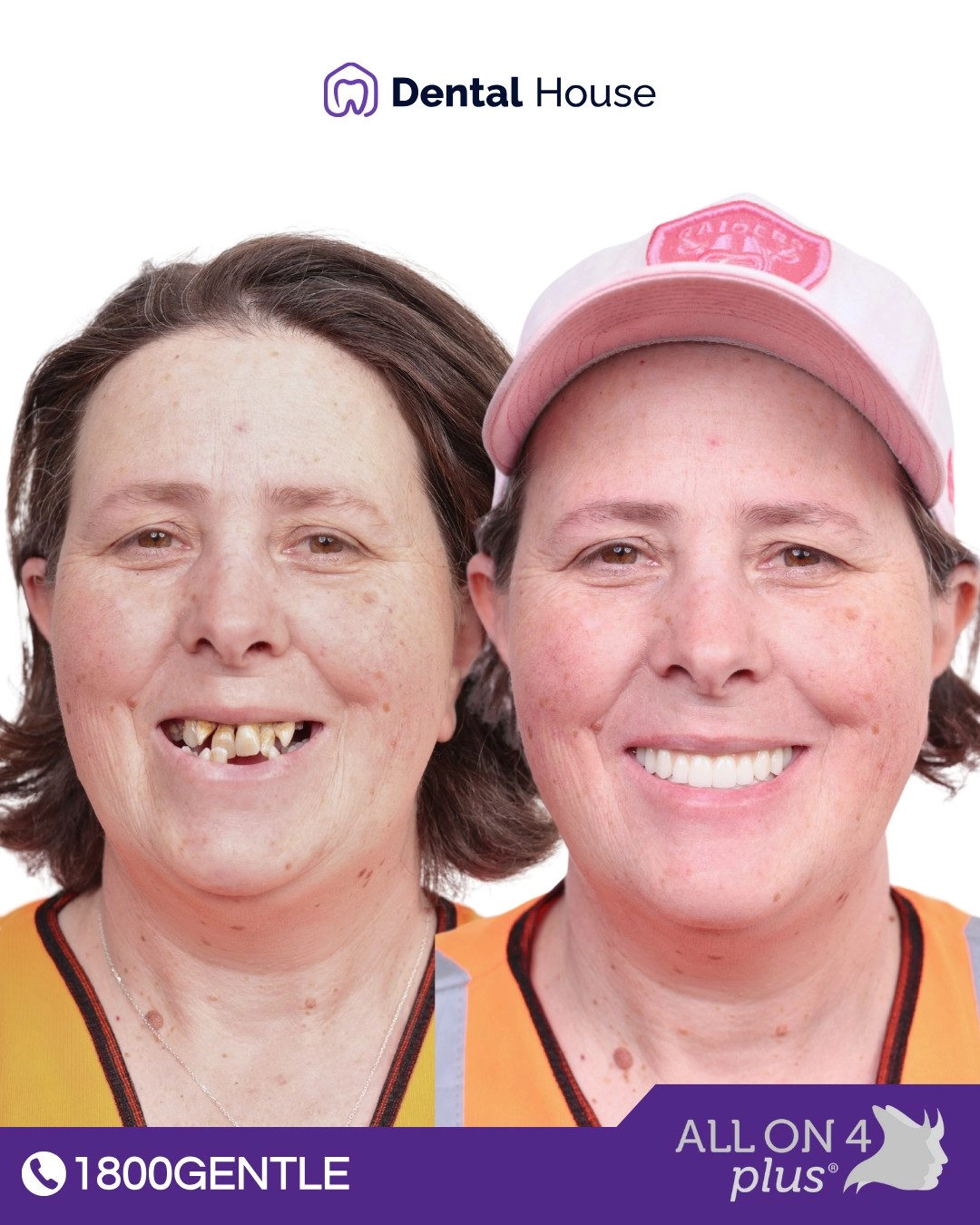
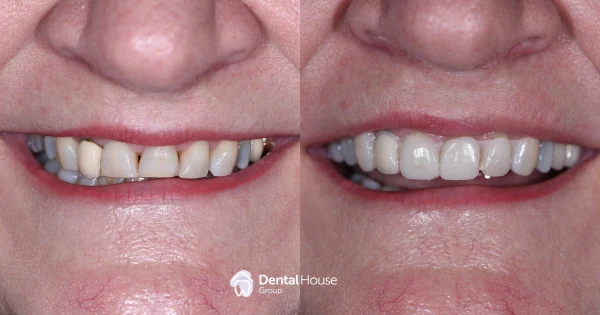
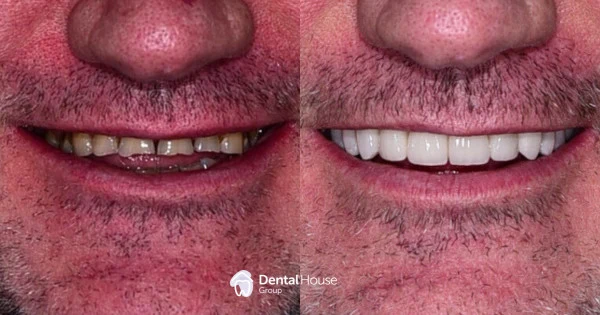
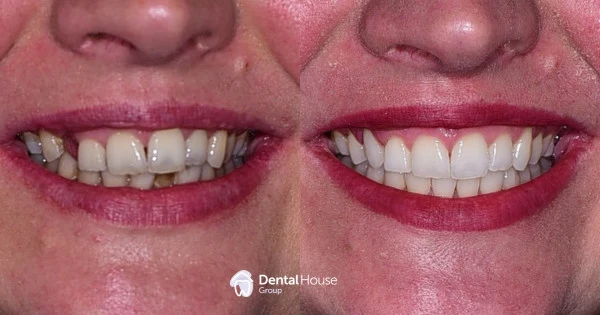
Looking in the mirror and noticing your teeth aren’t as bright as they used to be? You’re certainly not alone. Over time, teeth naturally develop a yellowish tint due to various factors including age, diet, and lifestyle choices. Many patients visiting Melbourne Dental House wonder whether professional whitening can help restore their smile’s brightness.
Understanding what causes tooth discolouration and how professional whitening treatments work can help you make an informed decision about whether this approach might be suitable for your situation. Let’s explore what whitening yellowed teeth involves and what realistic expectations you should have.
Why Teeth Become Yellow and Dull Over Time
Tooth discolouration occurs through different mechanisms, and understanding these processes helps explain why some staining responds better to whitening treatments than others.
Extrinsic Staining
Surface stains develop on the outer layer of teeth (enamel) from external sources. Common causes include:
- Coffee, tea, and red wine consumption
- Tobacco use
- Certain foods like berries and tomato-based sauces
- Poor oral hygiene allowing plaque buildup
Intrinsic Staining
Internal discolouration occurs within the tooth structure itself and may result from:
- Natural aging processes
- Certain medications taken during tooth development
- Excessive fluoride exposure
- Trauma to teeth
- Genetic factors affecting enamel thickness
Age-Related Changes
As we age, the outer enamel layer gradually wears thinner, revealing more of the naturally yellow dentin underneath. This process contributes to the overall yellowing appearance that many people notice over time.
How Professional Whitening Systems Work
Professional teeth whitening uses concentrated bleaching agents that may help break down stain molecules and lighten tooth colour. Understanding the science behind whitening yellowed teeth helps explain why results can vary between individuals.
Active Ingredients
Professional whitening systems typically use hydrogen peroxide or carbamide peroxide as the active bleaching agent. These compounds may penetrate tooth enamel and break down chromophore molecules responsible for discolouration.
Treatment Methods
Professional whitening may be delivered through different approaches:
In-Office Treatments
Performed in dental practices using higher concentration bleaching agents under professional supervision. These treatments may provide more immediate results and typically take one to two hours to complete.
Take-Home Systems
Custom-fitted trays with professional-grade whitening gel that patients use at home over several days or weeks. This method may offer more gradual whitening with potentially longer-lasting results.
Combination Approaches
Some practices offer combined treatment plans using both in-office and take-home methods to optimise whitening outcomes for individual patients.
Effectiveness on Different Types of Discolouration
The success of whitening yellowed teeth depends largely on the type and cause of discolouration present. Professional whitening tends to be most effective on certain types of staining while having limited impact on others.
Most Responsive to Whitening
Extrinsic stains from food, beverages, and tobacco typically respond well to professional whitening treatments. Yellow and brown surface stains may show significant improvement with appropriate treatment protocols.
Moderately Responsive
Age-related yellowing may show some improvement with professional whitening, though results vary depending on the extent of enamel thinning and underlying dentin colour.
Less Responsive to Whitening
Certain types of intrinsic staining may not respond as effectively to conventional whitening treatments:
- Grey discolouration from certain medications
- Staining from dental trauma
- Fluorosis-related discolouration
- Genetic variations in tooth colour
Individual Variation
Factors that may influence whitening effectiveness include:
- Starting tooth shade
- Enamel thickness and density
- Previous dental treatments
- Patient age and overall oral health
- Compliance with treatment protocols
Professional vs Over-the-Counter Options
When considering whitening yellowed teeth, patients often wonder about the differences between professional treatments and readily available consumer products.
Professional Whitening Advantages
Professional treatments may offer several potential benefits:
- Higher concentration active ingredients
- Custom-fitted application trays for even coverage
- Professional supervision and monitoring
- Personalised treatment plans
- Management of sensitivity issues
- Assessment of tooth suitability for whitening
Over-the-Counter Limitations
While consumer whitening products are widely available, they typically contain lower concentrations of active ingredients and may have limitations in effectiveness for significantly yellowed teeth.
Safety Considerations
Professional supervision helps ensure appropriate use of whitening agents and may reduce the risk of complications such as:
- Excessive tooth sensitivity
- Gum irritation from poorly fitting trays
- Uneven whitening results
- Damage to existing dental restorations
Treatment Process and Expectations
Understanding what’s involved in professional whitening helps set realistic expectations for treatment outcomes and timeline.
Initial Assessment
Your dentist will evaluate your teeth to determine:
- Type and extent of discolouration present
- Suitability for whitening treatment
- Realistic expectations for improvement
- Potential alternatives if whitening isn’t appropriate
Pre-Treatment Preparation
Before whitening yellowed teeth, you may need:
- Professional cleaning to remove surface deposits
- Treatment of any existing dental problems
- Discussion of sensitivity management strategies
- Review of post-treatment care instructions
Treatment Timeline
Professional whitening timelines vary depending on the method chosen:
- In-office treatments typically require 1-2 appointments
- Take-home systems may involve 1-3 weeks of daily use
- Results may continue improving for several days after treatment completion
Maintenance Requirements
Whitening results are not permanent, and maintenance may be needed to preserve improvements. Factors affecting longevity include dietary habits, oral hygiene, and individual tooth characteristics.
Managing Expectations and Potential Limitations
While professional whitening can be effective for many types of yellowed teeth, it’s important to understand potential limitations and realistic outcomes.
Individual Results Vary
Whitening effectiveness depends on multiple factors, and not all patients will achieve the same degree of improvement. Your dentist can provide guidance on realistic expectations based on your specific situation.
Potential Side Effects
Some patients may experience temporary side effects including:
- Increased tooth sensitivity during or after treatment
- Mild gum irritation if gel contacts soft tissues
- Temporary changes in sensation when consuming hot or cold items
Restorations Don’t Whiten
Existing dental work such as fillings, crowns, or veneers will not change colour with whitening treatment, which may result in colour mismatches that require attention.
Maintenance Considerations
Maintaining whitening results may require:
- Periodic touch-up treatments
- Dietary modifications to minimise new staining
- Excellent oral hygiene practices
- Regular professional cleanings
Alternative Options for Severely Discoloured Teeth
For teeth that may not respond adequately to conventional whitening, alternative cosmetic treatments might be considered.
Porcelain Veneers
Thin porcelain shells that cover the front surface of teeth may provide dramatic colour and shape improvements for severely discoloured teeth.
Dental Bonding
Tooth-coloured resin materials may be applied to cover discoloured areas, though this approach is typically used for localised staining.
Crown Restoration
For extensively damaged or discoloured teeth, full coverage crowns may provide both functional and aesthetic improvements.
Making an Informed Decision About Whitening
Professional whitening can be an effective approach for addressing certain types of yellowed teeth, though individual results vary significantly. The key to successful treatment lies in proper assessment, realistic expectations, and choosing the most appropriate treatment approach for your specific situation.
For residents of Sunbury, Gisborne, and Diggers Rest considering whitening yellowed teeth, consultation with an experienced dental professional can help determine whether this treatment approach aligns with your goals and expectations.
Explore Your Whitening Options
If you’re concerned about yellowed or discoloured teeth and wondering whether professional whitening might help, we encourage you to schedule a consultation to discuss your individual circumstances.
At Melbourne Dental House, our team provides comprehensive assessment of tooth discolouration and can explain various treatment options available to address your concerns. We’ll evaluate your teeth and discuss realistic expectations for whitening outcomes based on your specific situation.
Call us on 1800 436 853 or fill out our enquiry form to schedule your whitening consultation. We’ll help you understand which approach might be most suitable for achieving your smile goals.