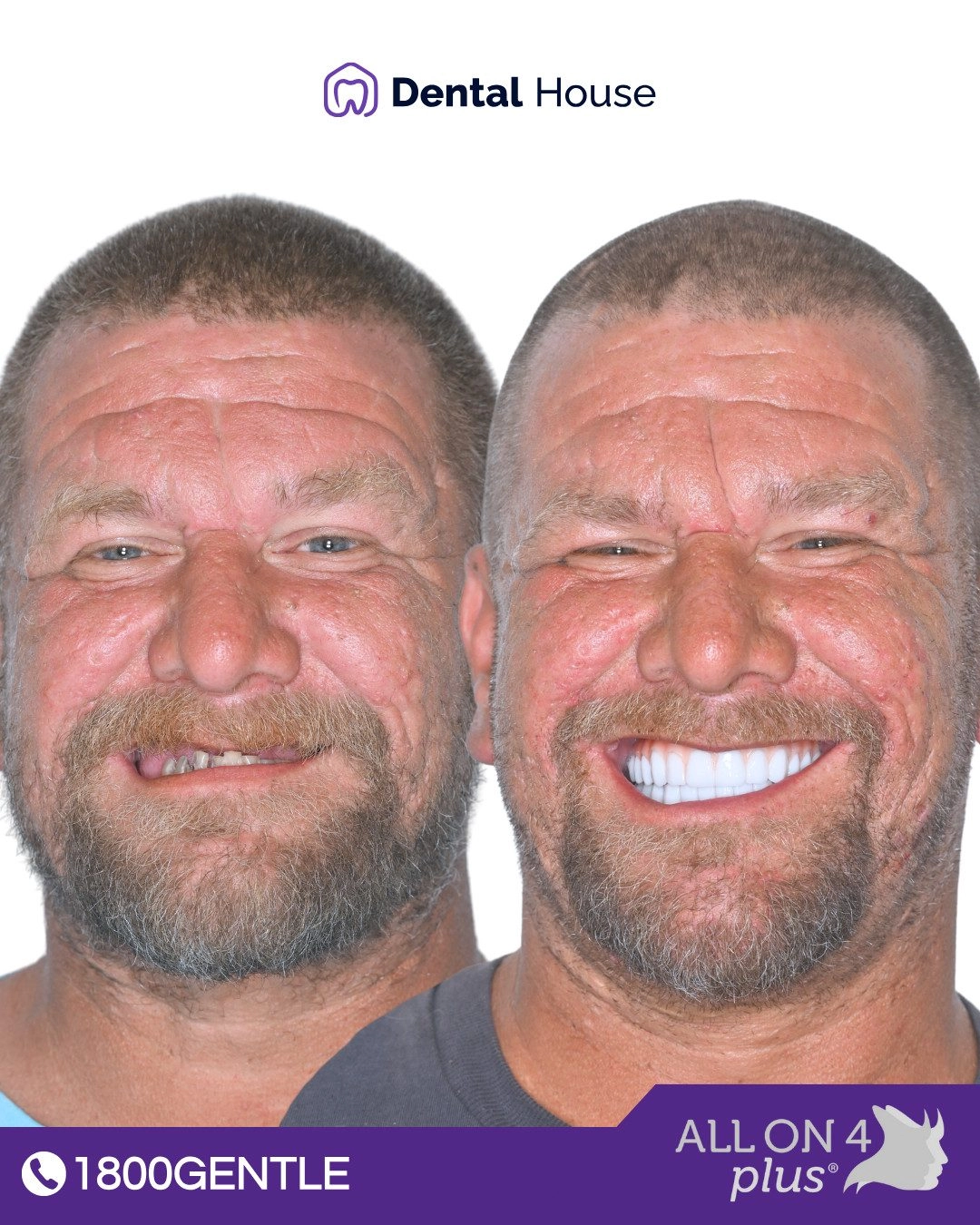
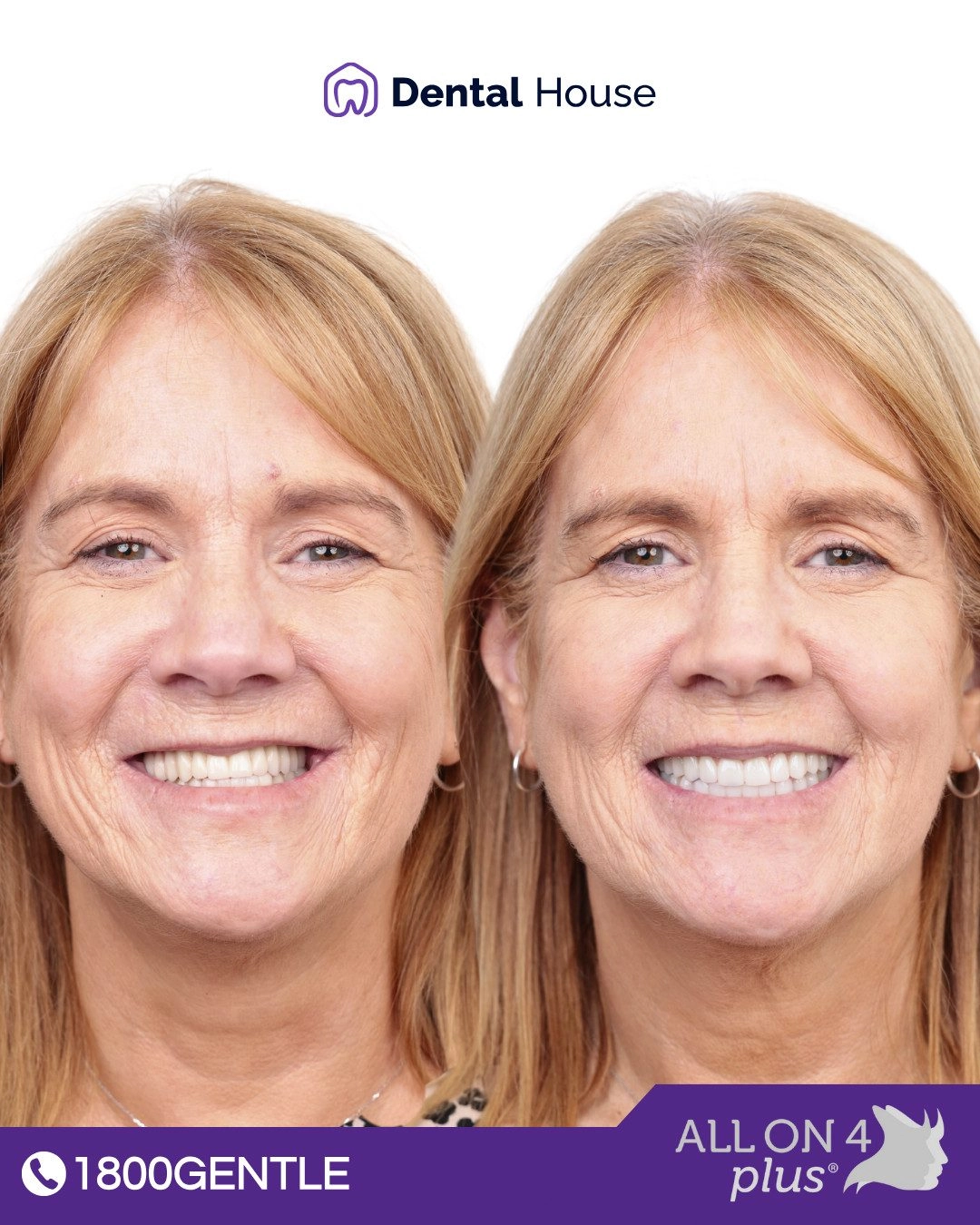
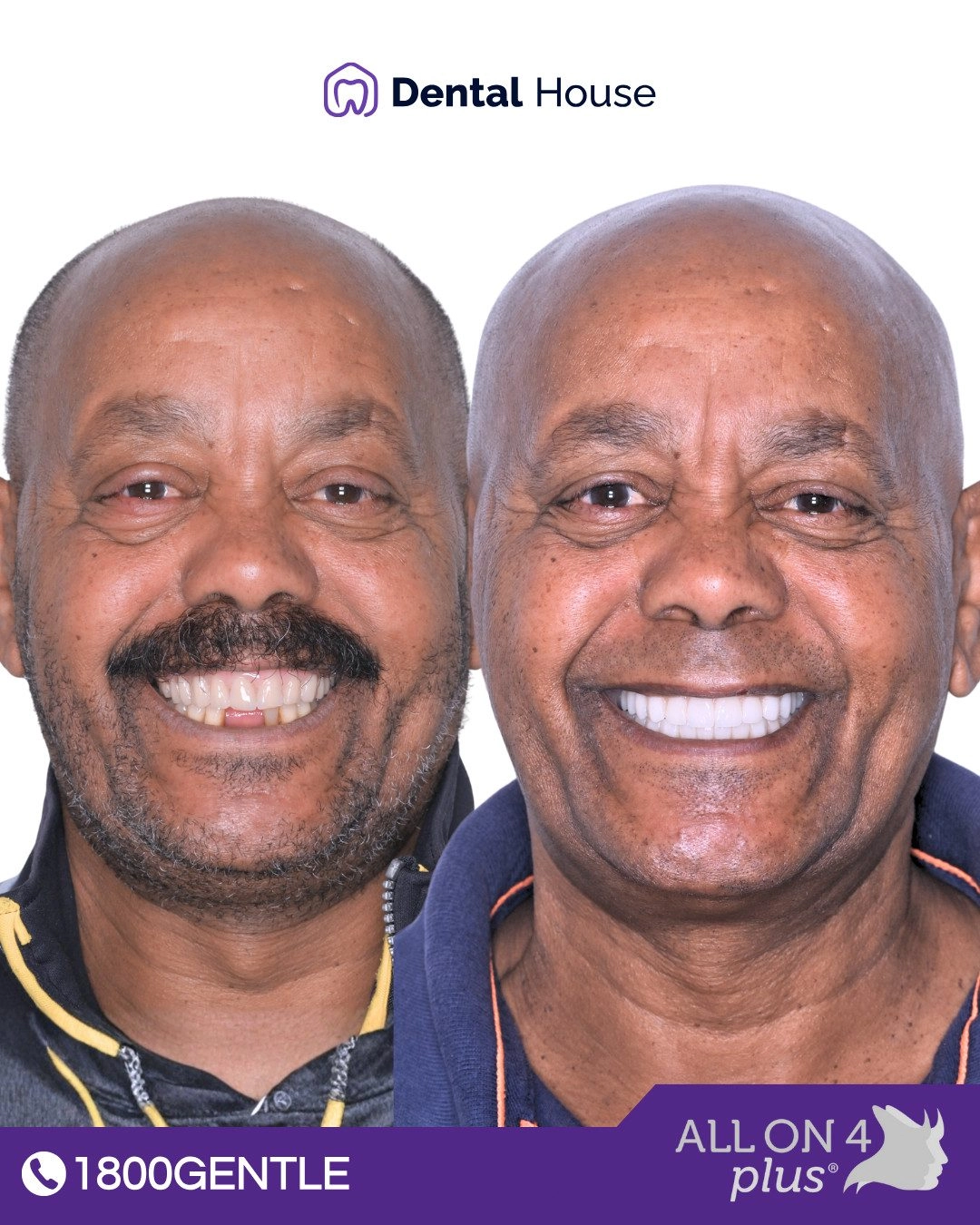
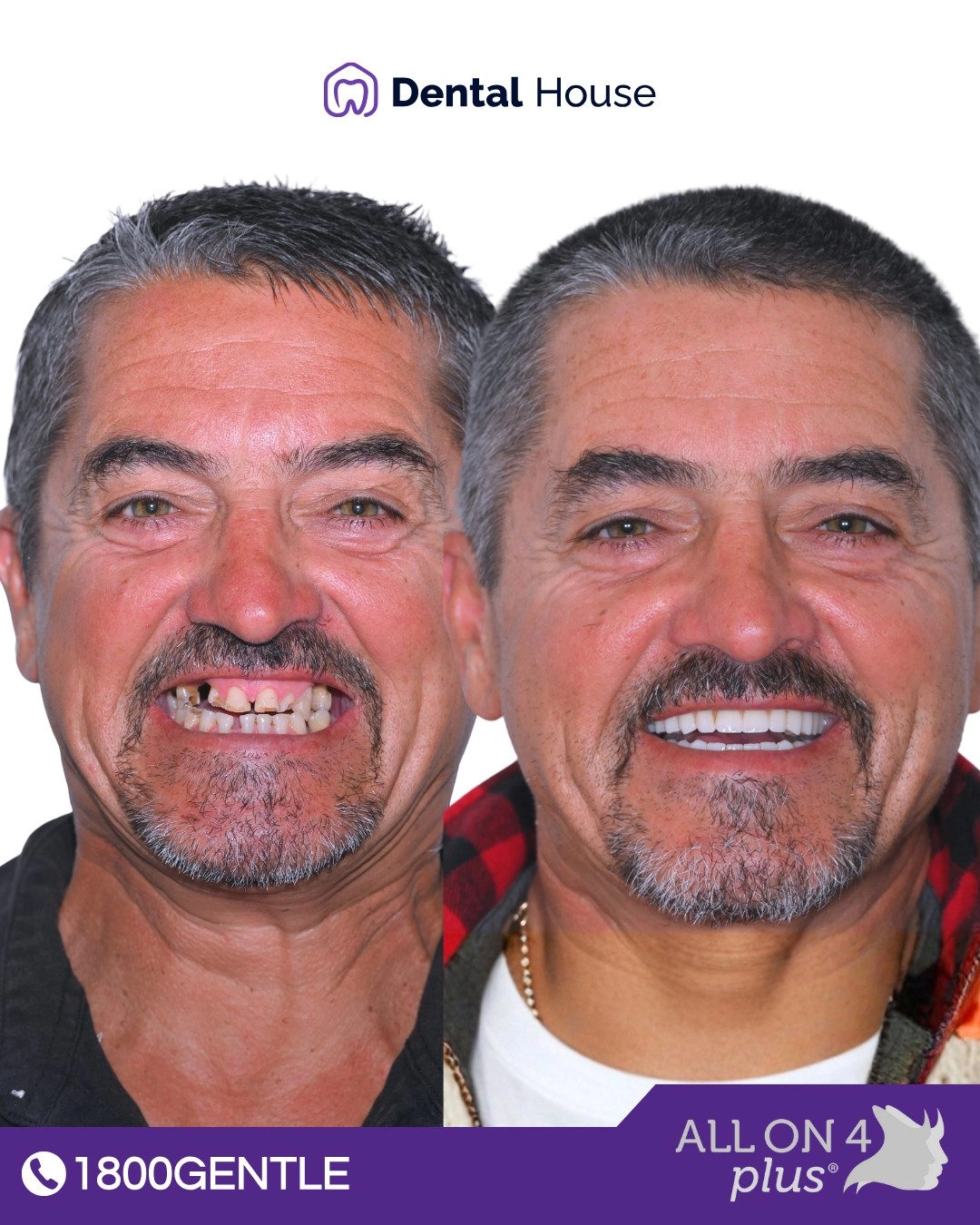
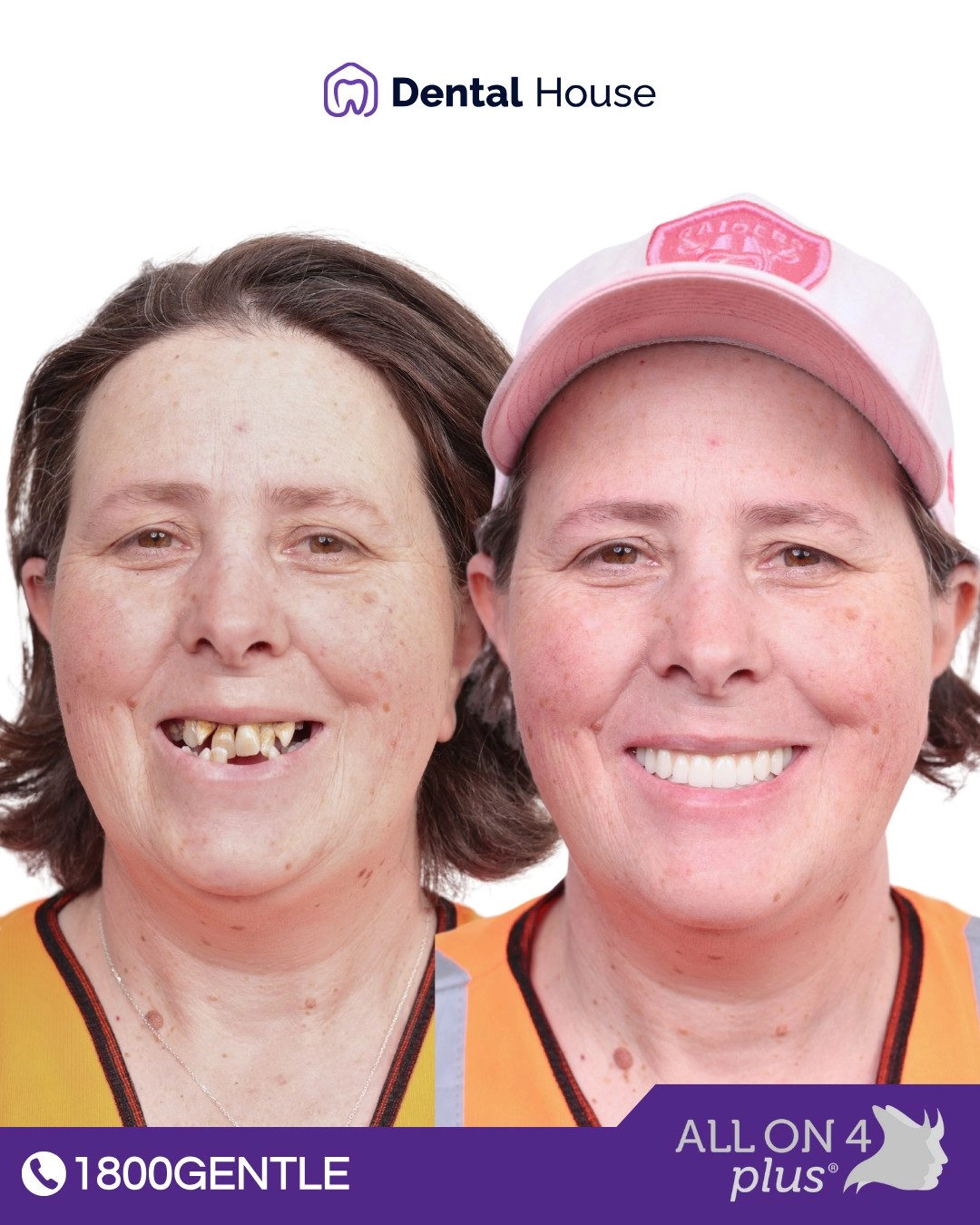
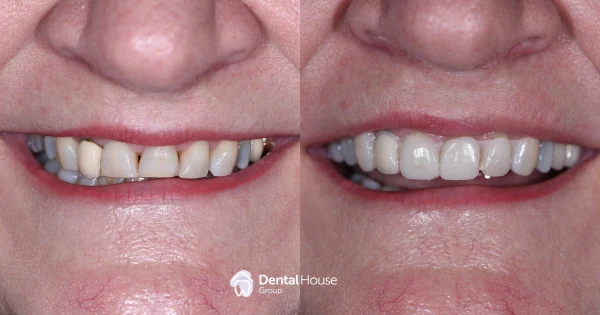
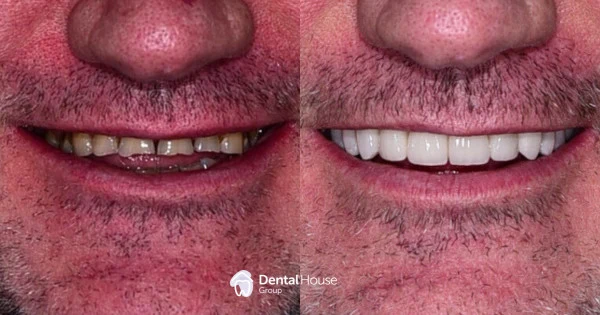
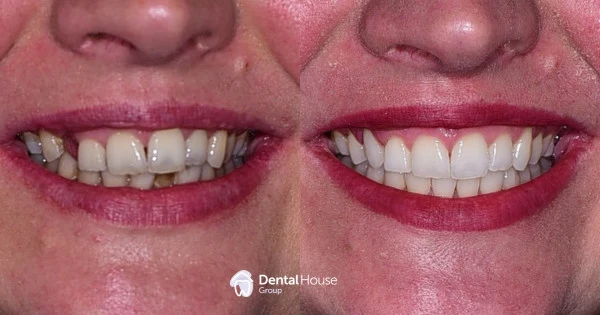
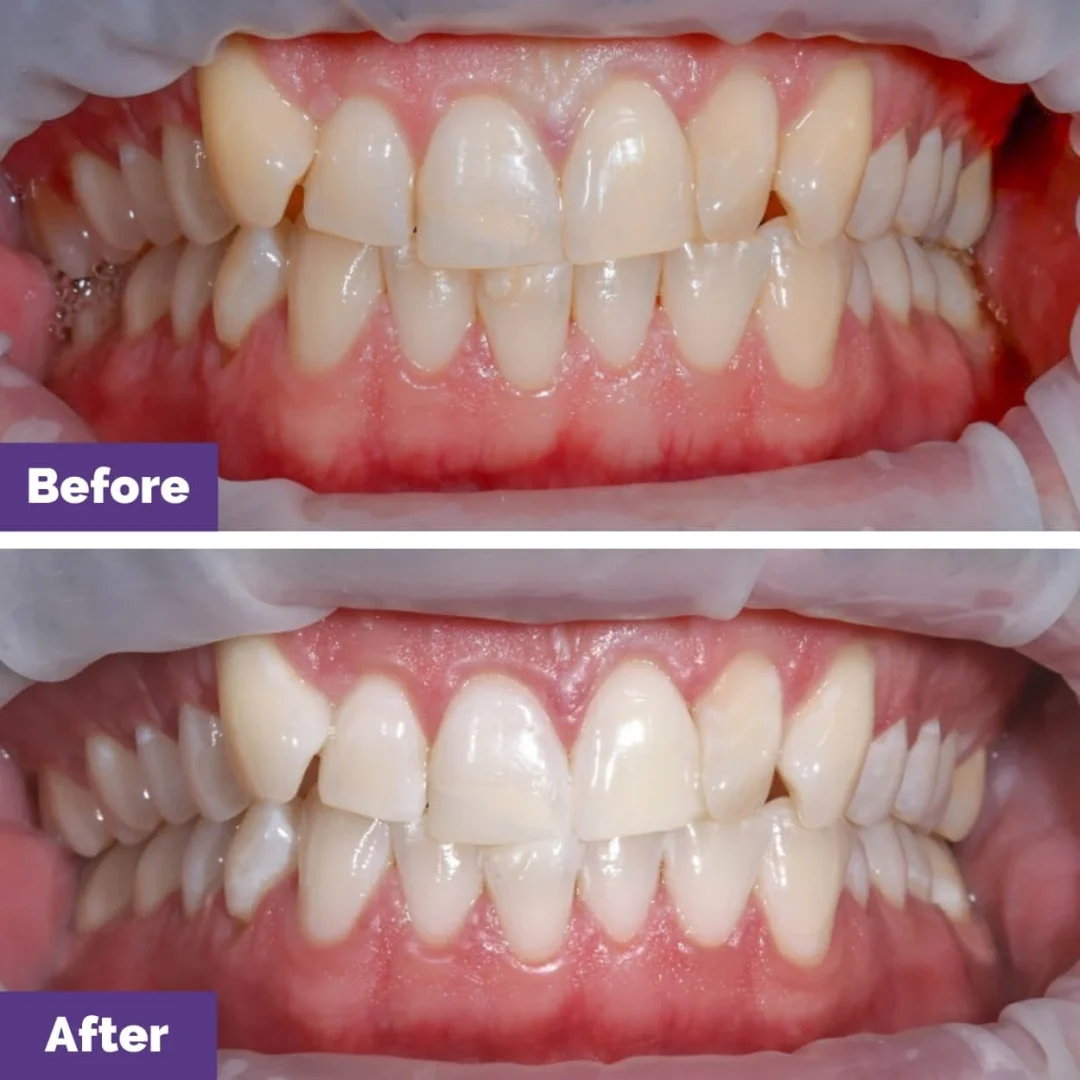
Can In-Chair Teeth Whitening Address Generalised Tooth Discolouration in Melbourne?
Case Note ID: Dec-2024-ZWH
Location: Dental House Group (serving Melbourne’s north and west)
Primary Treatments: Zoom In-Chair Whitening, Professional Teeth Whitening
Supporting Technology: Zoom Whitening System, Light-Activated Bleaching Protocol
Presenting Clinical Problem
A patient presented with generalised tooth discolouration affecting smile aesthetics and requesting professional whitening treatment. The clinical presentation included visible tooth yellowing across anterior and visible dentition, uneven tooth shading creating inconsistent appearance, extrinsic staining from dietary factors affecting tooth colour, and patient desire for brighter tooth appearance through non-invasive whitening procedure.
The primary clinical objectives were to lighten overall tooth colour through professional in-chair whitening treatment, reduce visible yellowing and improve brightness of anterior dentition, create more uniform tooth shade across visible teeth, and provide rapid whitening results through single-appointment whitening system. Treatment planning involved Zoom in-chair whitening protocol with appropriate shade documentation and sensitivity management.
Treatment Plan & Clinical Process
Phase 1: Whitening Assessment and Preparation
- Complete dental examination and whitening suitability evaluation
- Assessment of existing restorations that will not respond to whitening
- Baseline shade documentation using standardised shade guide
- Pre-treatment photographs for comparison purposes
- Discussion of whitening procedure, expected results and potential sensitivity
Phase 2: In-Chair Whitening Procedure
- Soft tissue protection with barrier material application
- Application of professional-strength hydrogen peroxide whitening gel
- Light activation to enhance whitening gel effectiveness
- Multiple gel application cycles during single appointment
- Post-treatment sensitivity management if needed
Phase 3: Post-Whitening Assessment and Care
- Immediate post-whitening shade documentation and comparison
- Post-treatment photographs for visual comparison
- Instructions for managing temporary tooth sensitivity if present
- Dietary recommendations to minimise immediate staining
- Discussion of touch-up treatments and maintenance whitening options
Clinical Outcome
Treatment was completed in single in-chair appointment typically lasting 60-90 minutes. Professional whitening gel application with light activation lightened overall tooth colour and reduced visible yellowing. Immediate tooth shade improvement was documented following treatment completion.
Individual results vary. Not all teeth respond equally to whitening depending on discolouration type. Existing restorations do not change colour and may require replacement for matching. Whitening results fade over months to years. Dietary habits and tobacco use affect longevity. Some patients experience temporary sensitivity or gum irritation. Touch-up treatments typically needed to maintain shade. No guarantees can be made about outcomes.
Frequently Asked Questions for Melbourne Patients
How does in-chair whitening differ from home whitening?
In-chair whitening uses higher concentration bleaching agents under professional supervision with results visible in single appointment. Home whitening uses lower concentration agents in custom trays over multiple days or weeks. In-chair treatment provides faster results but home whitening may be more economical for maintenance. Both methods can achieve significant whitening with appropriate candidates.
How long does teeth whitening last?
Whitening results typically last 6 months to 3 years depending on individual factors. Dietary habits particularly coffee, tea, red wine and tobacco use accelerate colour relapse. Good oral hygiene and avoiding staining substances help prolong results. Most patients desire touch-up treatments periodically to maintain preferred shade. Whitening is not permanent solution.
Will whitening damage my teeth?
Professional whitening under dental supervision is generally safe when performed appropriately. Temporary sensitivity is common but usually resolves within days. Overuse of whitening products or improper application can damage tooth enamel or irritate gums. Following professional recommendations and avoiding excessive whitening helps minimise risks. Pre-existing tooth damage may be contraindication.
Give us a call at 1800 GENTLE (1800 436 853) or contact us by submitting the enquiry form below. We will be happy to help.