Complimentary consultation* available.
Book Now

What Causes Teeth Grinding?

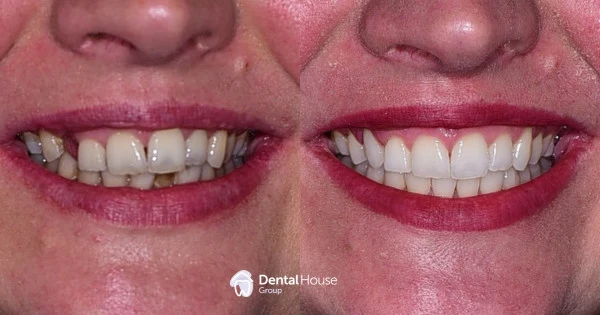
Hi, my name is Dr. Elly, I’m one of the dentists at Dental House Group, as well as one of the principal dentists of Gisborne Dental House. Yesterday a new patient Sandra from Gisborne came to see us. She noticed her teeth are getting shorter over time as a result of teeth grinding over many years, and she was looking for a way to stop the deterioration, and possibly lengthen them to improve her smile. She asked me, what causes teeth grinding? Since tooth grinding is such a common issue, I thought I’ll make a quick video sharing with you what I shared with her.

Firstly, our teeth will naturally grind against each other as we chew food, and as a result, they will wear down as we age. However, teeth grinding outside our normal chewing patterns can be a serious issue, the most common form being nocturnal bruxism, which is when the teeth grind excessively against each other during sleep. This condition can affect people of all ages, and it’s commonly seen in the younger generation.

Most people are unaware that they grind their teeth, and only learn that they do if they are heard. This grinding of teeth at night can exhibit a very loud noise. Other symptoms of teeth grinding include jaw tenderness, earaches, tooth pain, neck pain, tooth sensitivity and excessive wear on the teeth. Associated jaw and neck pain is usually worse in the morning.

Teeth grinding and jaw clenching is often related to stress or anxiety, and has a genetic component where family members are also found to grind their teeth. A link has also been found between obstructive sleep apnea and sleep bruxism. Other factors that may relate to bruxism include improper bite, reduced number of teeth, alcohol, smoking, caffeine, depression and snoring.

So how is sleep bruxism treated? The most common form of treatment is a custom made night guard or occlusal splint, which is worn at night time to protect the teeth and help prevent the excessive jaw movements. In order to have this night guard made, a clinician will scan your teeth with an intraoral camera, and send this to a dental lab to have the custom night guard 3D printed for a perfect fit. Other treatments can include physiotherapy, muscle relaxants and for severe cases, a referral to a TMJ specialist.

I hope you found this video useful. If you have any of the above symptoms or wish to know more about teeth grinding, we are here to help. Simply call 1800GENTLE, direct message us on social media, or complete the enquiry form on our website, and our friendly team will be in touch to organise your consultation. See you in the next video.


DISCLAIMER: The material posted is for informational purposes only and is not intended to substitute for professional medical advice, diagnosis or treatment. Results vary with each patient. Any dental procedure carries risks and benefits. If you have any specific questions about any dental and/or medical matter, you should consult your dentist, physician or other professional healthcare providers.

What Causes Teeth Grinding?

Hi, my name is Dr. Elly, I’m one of the dentists at Dental House Group, as well as one of the principal dentists of Gisborne Dental House. Yesterday a new patient Sandra from Gisborne came to see us. She noticed her teeth are getting shorter over time as a result of teeth grinding over many years, and she was looking for a way to stop the deterioration, and possibly lengthen them to improve her smile. She asked me, what causes teeth grinding? Since tooth grinding is such a common issue, I thought I’ll make a quick video sharing with you what I shared with her.

Firstly, our teeth will naturally grind against each other as we chew food, and as a result, they will wear down as we age. However, teeth grinding outside our normal chewing patterns can be a serious issue, the most common form being nocturnal bruxism, which is when the teeth grind excessively against each other during sleep. This condition can affect people of all ages, and it’s commonly seen in the younger generation.

Most people are unaware that they grind their teeth, and only learn that they do if they are heard. This grinding of teeth at night can exhibit a very loud noise. Other symptoms of teeth grinding include jaw tenderness, earaches, tooth pain, neck pain, tooth sensitivity and excessive wear on the teeth. Associated jaw and neck pain is usually worse in the morning.

Teeth grinding and jaw clenching is often related to stress or anxiety, and has a genetic component where family members are also found to grind their teeth. A link has also been found between obstructive sleep apnea and sleep bruxism. Other factors that may relate to bruxism include improper bite, reduced number of teeth, alcohol, smoking, caffeine, depression and snoring.

So how is sleep bruxism treated? The most common form of treatment is a custom made night guard or occlusal splint, which is worn at night time to protect the teeth and help prevent the excessive jaw movements. In order to have this night guard made, a clinician will scan your teeth with an intraoral camera, and send this to a dental lab to have the custom night guard 3D printed for a perfect fit. Other treatments can include physiotherapy, muscle relaxants and for severe cases, a referral to a TMJ specialist.

I hope you found this video useful. If you have any of the above symptoms or wish to know more about teeth grinding, we are here to help. Simply call 1800GENTLE, direct message us on social media, or complete the enquiry form on our website, and our friendly team will be in touch to organise your consultation. See you in the next video.

DISCLAIMER: The material posted is for informational purposes only and is not intended to substitute for professional medical advice, diagnosis or treatment. Results vary with each patient. Any dental procedure carries risks and benefits. If you have any specific questions about any dental and/or medical matter, you should consult your dentist, physician or other professional healthcare providers.

Related Videos

Let’s chat.

Take the first step today. Fill out the form and we will contact you to arrange your consultation.

Hi, thanks for reaching out. If you could please fill out all your details below, I will be in contact with you shortly.

"*" indicates required fields

This field is for validation purposes and should be left unchanged.
Patient Status*
Download Price List
Please enter your mobile number and email address so we can send you the price list.

"*" indicates required fields

This field is for validation purposes and should be left unchanged.