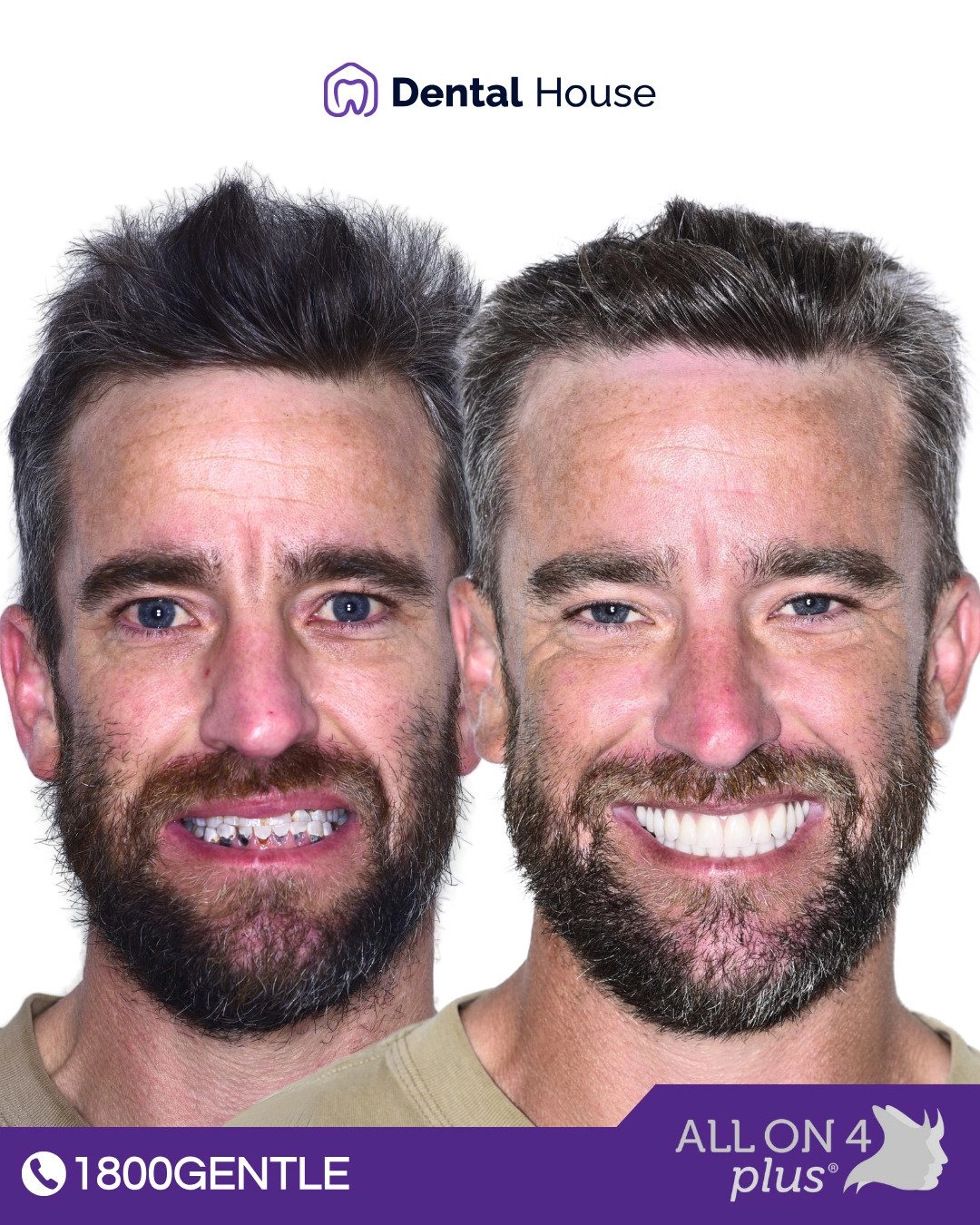
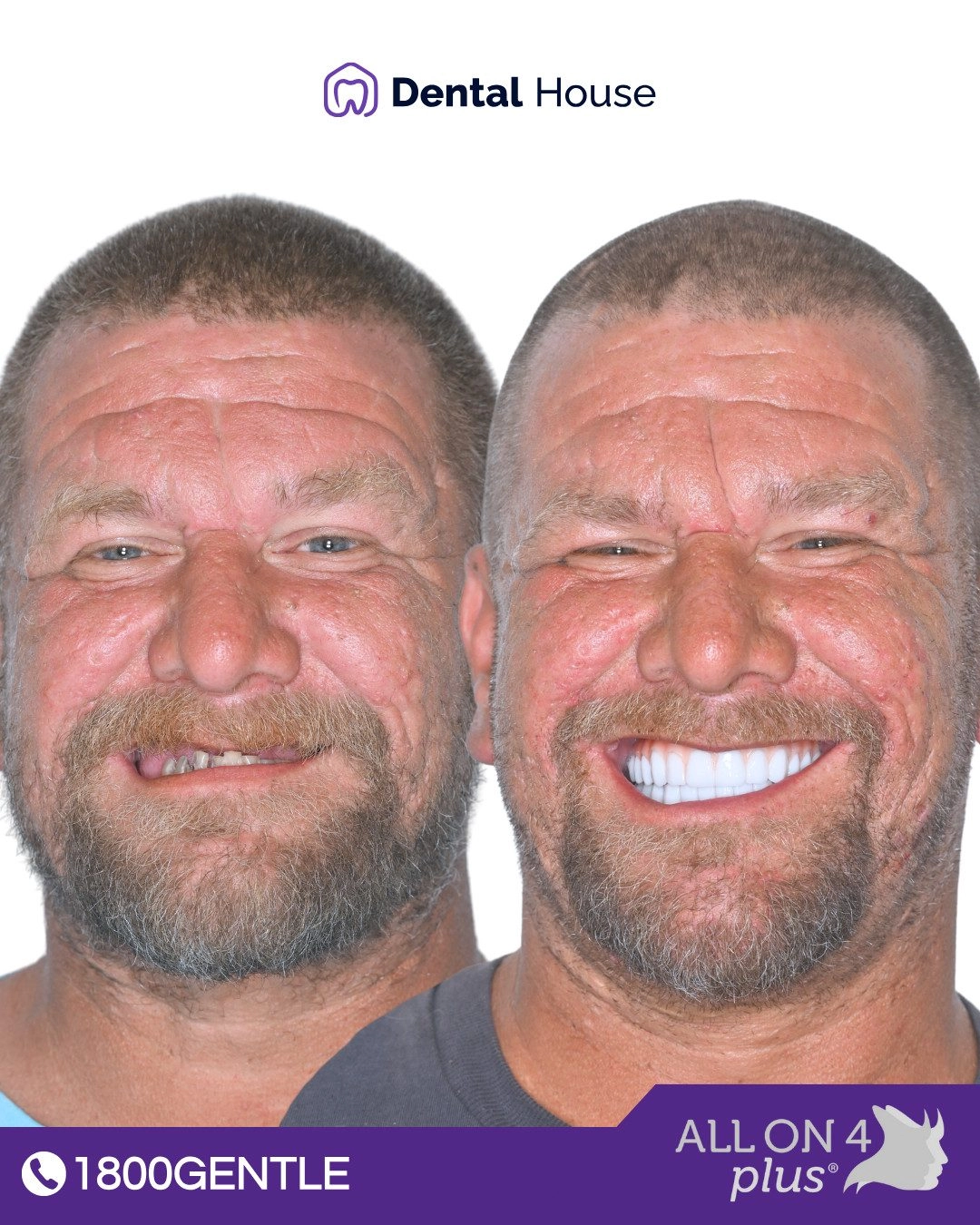
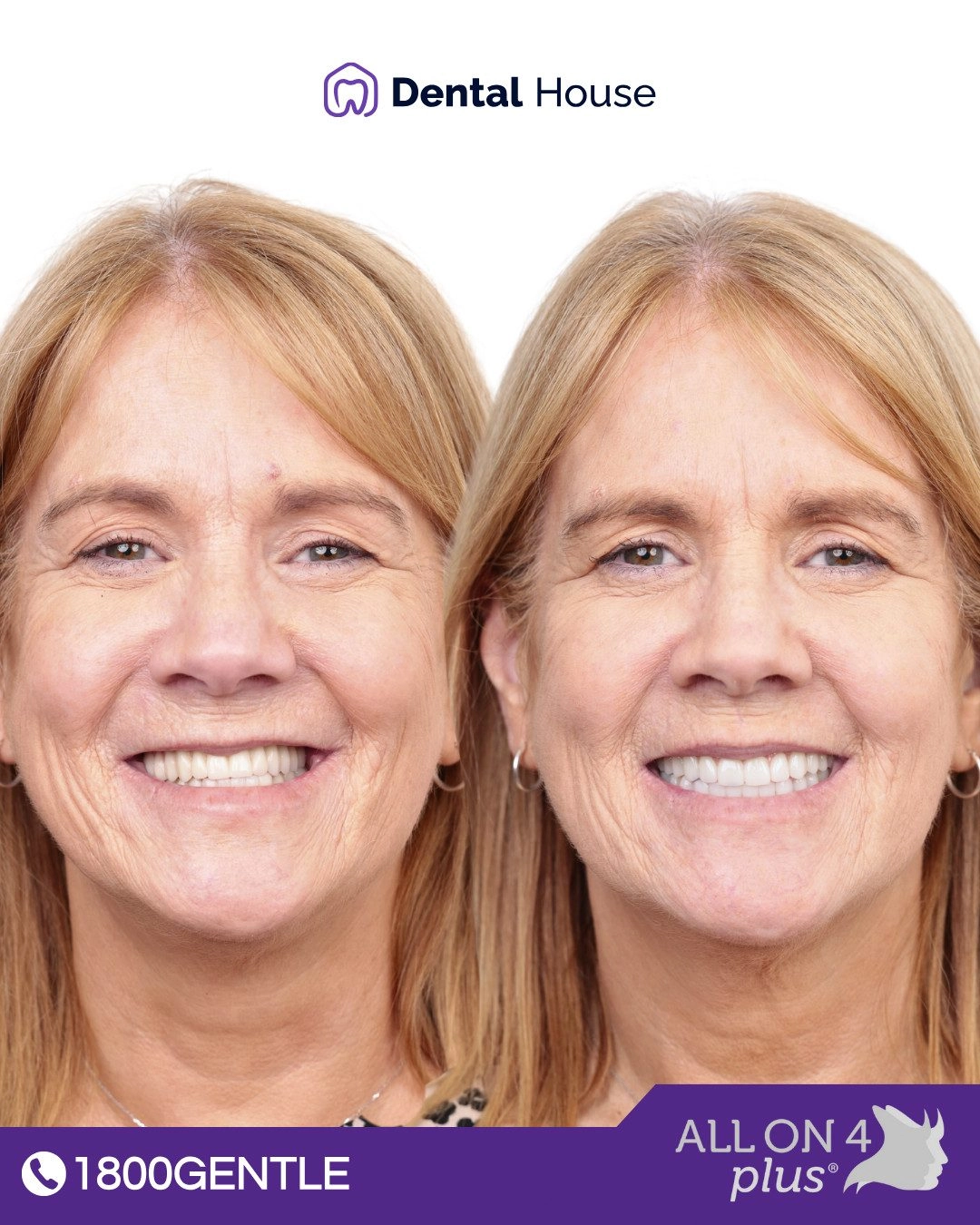
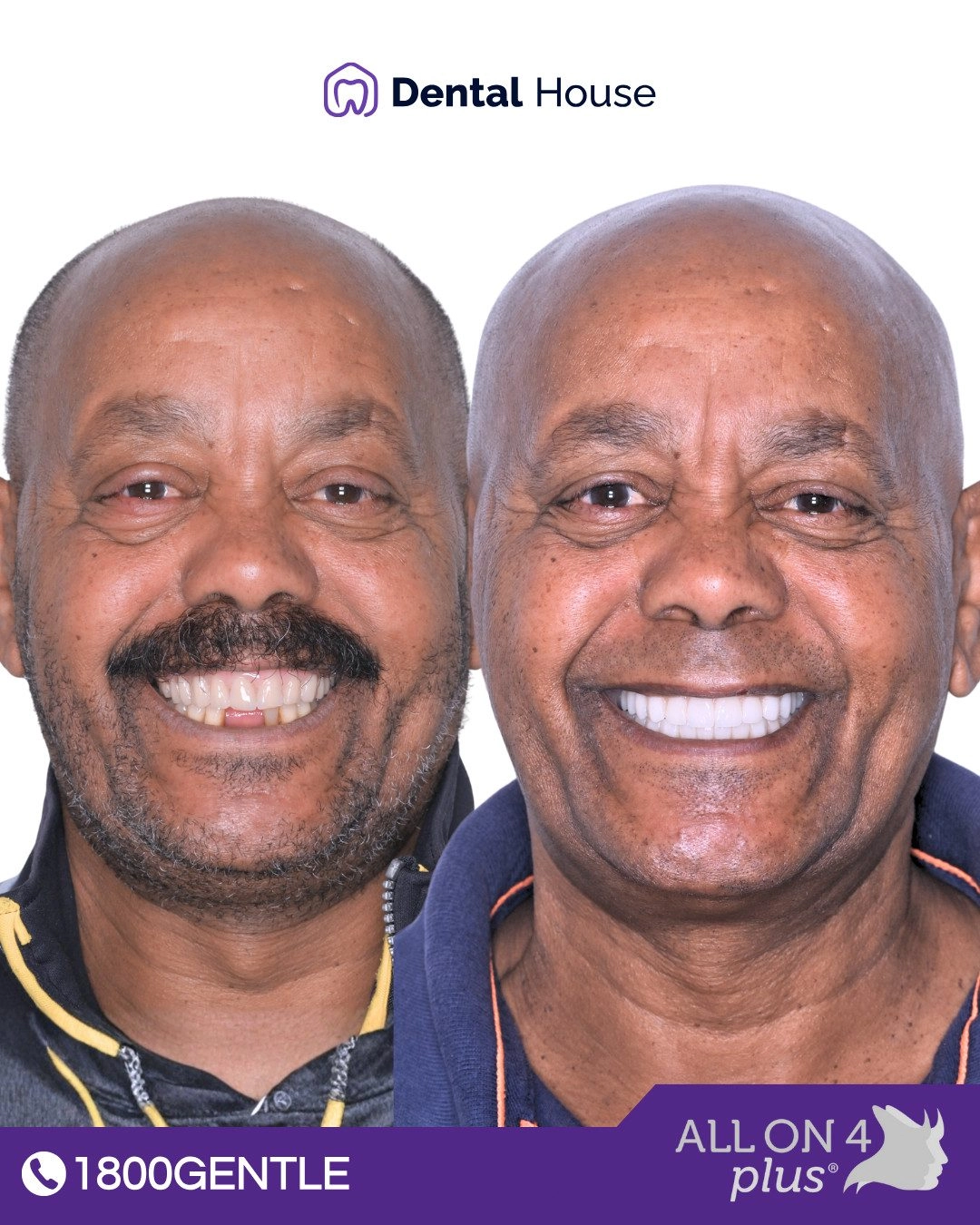
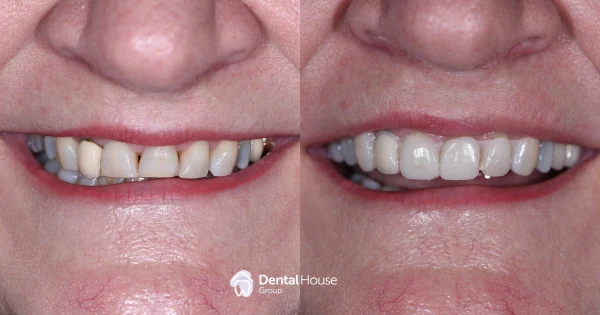
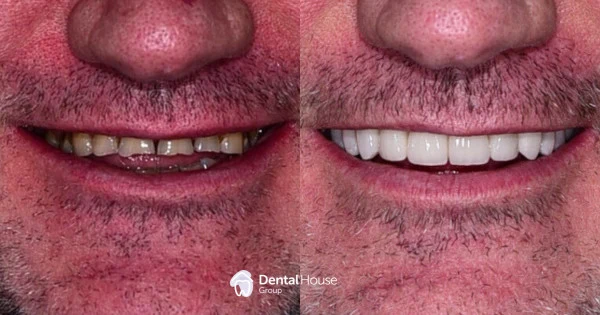
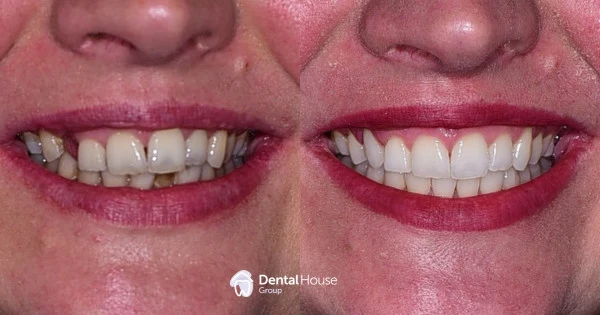
Small gaps between front teeth can affect how you feel about your smile, even when they don’t cause functional problems. Understanding dental bonding for tooth gaps can help you make informed decisions about whether this treatment approach might suit your aesthetic goals and individual circumstances.
At Sunbury Dental House, we regularly discuss gap-closing options with patients from Sunbury, Gisborne, and Diggers Rest who are exploring ways to enhance their smile appearance. Knowing what dental bonding involves, its potential benefits, and its limitations helps ensure realistic expectations for treatment outcomes.
Understanding Dental Bonding Treatment
Dental bonding involves applying tooth-coloured composite resin material to teeth to improve their appearance. The same material used for tooth-coloured fillings can be sculpted and shaped to close small gaps between teeth.
The process typically involves minimal or no tooth preparation, applying bonding agent to tooth surface, placing and shaping composite resin material, hardening the material with a special light, and final polishing. This relatively conservative approach means most natural tooth structure remains intact.
When Dental Bonding for Tooth Gaps May Be Appropriate
Not all gaps between teeth are suitable for bonding treatment. Bonding typically works best for small gaps between front teeth (usually less than 2-3mm wide), spaces where teeth are otherwise well-positioned, gaps that don’t involve significant bite issues, and situations where patients prefer a non-orthodontic solution. Larger gaps or spaces involving multiple teeth may require different approaches such as orthodontics or veneers. The location matters too, bonding works most predictably for gaps between upper front teeth where biting forces are relatively light.
The Dental Bonding Procedure Process
Your dental professional will assess the gap and surrounding teeth, discuss aesthetic goals and expectations, and select composite resin shade to match your teeth. The treatment typically takes 30-60 minutes per tooth, often completed in a single appointment.
During the procedure, tooth surfaces are cleaned and slightly roughened to help bonding material adhere, a conditioning liquid is applied, composite resin is placed and shaped to close the gap, the material is hardened with a curing light, and final polishing creates a smooth finish. Most patients experience no discomfort and anaesthesia is usually unnecessary.
Advantages of Choosing Dental Bonding
Dental bonding for tooth gaps offers several potential benefits compared to other gap-closing approaches.
The treatment is relatively conservative, requiring minimal or no removal of natural tooth structure. It’s typically completed in a single appointment with immediate results. The procedure is generally less expensive than alternatives like veneers or orthodontics. Bonding is reversible if you later decide to pursue different treatment, and the process is usually comfortable without requiring anaesthesia. For patients wanting to address small gaps without lengthy orthodontic treatment, bonding may represent an accessible option.
Limitations and Considerations
Whilst dental bonding can address small gaps effectively, understanding limitations helps ensure realistic expectations.
Bonding material is less durable than natural enamel and may chip or break with heavy forces. The composite resin can stain over time, particularly with coffee, tea, wine, or tobacco. Bonding typically lasts 3-7 years before needing repair or replacement, depending on location and care. The treatment may not suit larger gaps where bonded teeth would look unnaturally wide. Your dental professional can help determine whether bonding represents an appropriate solution for your specific gap.
Comparing Treatment Alternatives
Understanding other gap-closing options helps you make informed decisions about which approach best suits your needs.
Orthodontic treatment using braces or clear aligners moves teeth together, closing gaps by repositioning teeth rather than adding material. This approach addresses underlying spacing whilst maintaining natural tooth proportions. Porcelain veneers cover the front surface of teeth and can close gaps whilst also addressing other aesthetic concerns, though they require more tooth preparation than bonding. Each approach has different timelines, costs, and results to consider.
Caring for Bonded Teeth
Proper care helps maximise the lifespan of dental bonding for tooth gaps and maintain aesthetic results. Brush teeth twice daily with fluoride toothpaste and floss carefully around bonded areas. Avoid biting hard foods directly with bonded front teeth, refrain from habits like nail biting that stress bonded areas, and limit staining substances or rinse after consuming them. Regular dental check-ups allow monitoring of bonding condition. With appropriate care, bonding can provide satisfactory aesthetic results for several years.
Aesthetic Outcomes and Expectations
Successful dental bonding for tooth gaps depends on various factors. Your dental professional’s skill and experience affects the final appearance. The size and location of the gap influence how natural bonded teeth can look. Your natural tooth colour and how well the bonding material matches matter for seamless results. Most patients are satisfied with bonding results when gaps are small and treatment is appropriately selected. However, bonding may not achieve the same aesthetic perfection as porcelain restorations in all cases.
Dental bonding typically costs less than many alternative cosmetic treatments. Bonding generally costs less per tooth than porcelain veneers or orthodontics, though the shorter lifespan means bonding may require periodic replacement. Cosmetic bonding is typically not covered by dental insurance, so patients pay out-of-pocket. Your dental professional can provide specific cost information.
Making Your Decision
Deciding whether dental bonding for tooth gaps suits your needs involves considering multiple factors. Think about your aesthetic priorities and how much the gap bothers you, timeline preferences for treatment completion, budget considerations for immediate and long-term costs, willingness to accept that bonding may need eventual replacement, and whether you’re comfortable with the aesthetic outcomes bonding can achieve. Discussing these factors with your dental professional helps determine whether bonding aligns with your goals or whether alternative treatments might better suit your circumstances.
Exploring Your Gap-Closing Options
Understanding dental bonding for tooth gaps helps you make informed decisions about whether this treatment approach might help you achieve your smile goals. Whilst bonding works well for certain situations, it’s not the ideal solution for everyone, and thorough assessment helps ensure appropriate treatment selection.
For residents of Sunbury, Gisborne, and Diggers Rest considering options for closing small gaps between front teeth, professional consultation can help determine which treatment approach might best suit your individual needs and aesthetic goals.
Discuss Your Smile Goals
If you’re considering dental bonding to close small gaps between your front teeth, or wondering what treatment options might help you achieve your desired smile, we encourage you to schedule a consultation with our experienced team.
At Sunbury Dental House, we can assess your specific situation, discuss dental bonding for tooth gaps and alternative treatments, and help you understand realistic expectations for various approaches. We’ll provide honest guidance about which options might work best for your circumstances.
Call us on 1800 436 853 or fill out our enquiry form to schedule your cosmetic consultation. Let’s discuss how we might help you feel more confident about your smile.