Wisdom Teeth Removal
Wisdom Teeth Removal at Taylors Lakes, Keilor, & Sydenham
Need wisdom teeth assessed or removed in Taylors Lakes? Our team takes the time to determine whether removal is necessary and offers sedation and general anaesthesia options for patients who want them.
Not Every Wisdom Tooth Needs to Come Out
Wisdom teeth do not automatically need removal. Some sit comfortably and cause no issues. Others become impacted, push against neighbouring teeth, trap food, or trigger repeated infections.
The decision to remove is based on imaging and assessment, not assumptions.
How Wisdom Tooth Removal Works
Wisdom teeth are the last molars to come through, usually in the late teens or early twenties. Many people do not have enough room in the jaw for them to come through properly, which can lead to impaction (where the tooth gets stuck against bone or another tooth), partial eruption, or angled positioning.
The assessment uses dental imaging, often a 3D CBCT scan, to map the position of the tooth, the surrounding bone, and the proximity of important structures such as the inferior alveolar nerve. The imaging informs both whether removal is needed and how the procedure should be planned.
Where removal is recommended, the tooth is taken out under local anaesthesia. Sedation and general anaesthesia are available for patients with significant anxiety or complex cases. Recovery varies based on the position and complexity of the tooth.
Could You Need Wisdom Teeth Removed?
At Taylors Lakes Dental House, we believe every patient deserves individual attention. Removal may be recommended following our comprehensive assessment if the wisdom teeth are causing problems or are likely to cause problems later.
Your Treatment, Step by Step
Whilst the specifics vary based on the position of the tooth and the type of anaesthesia used, here is what you can typically expect.

Your Comprehensive Assessment
We examine the wisdom teeth, take dental imaging, and discuss the position, the symptoms (if any), and whether removal is recommended. Where it is not, we explain why a watch-and-wait approach is more appropriate. (1 visit, approximately 30 to 60 minutes)

Treatment Planning
We walk you through the procedure, the type of anaesthesia recommended, the timeline, the cost, and the recovery picture. Sedation and general anaesthesia options are explained at this stage. (Same visit or follow-up)

Preparation
Where general anaesthesia or IV sedation is planned, pre-procedure instructions are provided, including fasting requirements and arrangements for someone to drive you home.

The Procedure
Under local anaesthesia, with sedation or general anaesthesia where chosen, the wisdom tooth is removed. Straightforward cases take 20 to 30 minutes per tooth. Impacted or complex cases take longer and may involve removing some surrounding bone or sectioning the tooth into pieces for safer removal. (Approximately 30 to 90 minutes depending on complexity and number of teeth)

Initial Recovery
Gauze pads are placed to manage bleeding, and post-procedure instructions are given. Most patients rest at home for the remainder of the day. (Approximately 24 to 48 hours of initial recovery)

Healing Period
Swelling, mild bruising, and discomfort are common over the first few days. A soft diet, prescribed pain relief, and careful oral hygiene support healing. (Approximately 7 to 14 days for the gum to heal, longer for the bone underneath)

Follow-Up Review
A short follow-up visit checks healing progress and addresses any concerns. (1 to 2 weeks after the procedure)
Your Comprehensive Assessment
We examine the wisdom teeth, take dental imaging, and discuss the position, the symptoms (if any), and whether removal is recommended. Where it is not, we explain why a watch-and-wait approach is more appropriate. (1 visit, approximately 30 to 60 minutes)
Treatment Planning
We walk you through the procedure, the type of anaesthesia recommended, the timeline, the cost, and the recovery picture. Sedation and general anaesthesia options are explained at this stage. (Same visit or follow-up)
Preparation
Where general anaesthesia or IV sedation is planned, pre-procedure instructions are provided, including fasting requirements and arrangements for someone to drive you home.
The Procedure
Under local anaesthesia, with sedation or general anaesthesia where chosen, the wisdom tooth is removed. Straightforward cases take 20 to 30 minutes per tooth. Impacted or complex cases take longer and may involve removing some surrounding bone or sectioning the tooth into pieces for safer removal. (Approximately 30 to 90 minutes depending on complexity and number of teeth)
Initial Recovery
Gauze pads are placed to manage bleeding, and post-procedure instructions are given. Most patients rest at home for the remainder of the day. (Approximately 24 to 48 hours of initial recovery)
Healing Period
Swelling, mild bruising, and discomfort are common over the first few days. A soft diet, prescribed pain relief, and careful oral hygiene support healing. (Approximately 7 to 14 days for the gum to heal, longer for the bone underneath)
Follow-Up Review
A short follow-up visit checks healing progress and addresses any concerns. (1 to 2 weeks after the procedure)
Risks & Recovery
Wisdom tooth removal is surgery, even when straightforward. Understanding the risks and recovery is part of giving informed consent.
Possible risks include:
- Swelling, bruising, and tenderness in the days after the procedure
- Bleeding during the first 24 to 48 hours, gradually settling over the days that follow
- Pain that responds to prescribed or over-the-counter medication
- Infection of the surgical site, which is uncommon with good aftercare
- Dry socket, a painful condition where the blood clot dislodges from the socket, usually resolving with treatment
- Damage to nearby teeth or restorations during the removal
- Temporary or, in rare cases, prolonged numbness of the lip, chin, or tongue from nerve involvement
- Sinus involvement when removing upper wisdom teeth, in rare cases
- Limited jaw opening for several days following the procedure
Recovery considerations:
- The first 24 to 48 hours involve rest, soft foods, and managing bleeding
- Ice packs help reduce swelling in the first day
- Pain relief is prescribed as needed
- Smoking and alcohol are best avoided during early healing
- Gentle oral hygiene continues, with care around the surgical site
- Most patients return to normal activities within a few days, though full healing of the bone takes longer
Invest in Your Oral Health
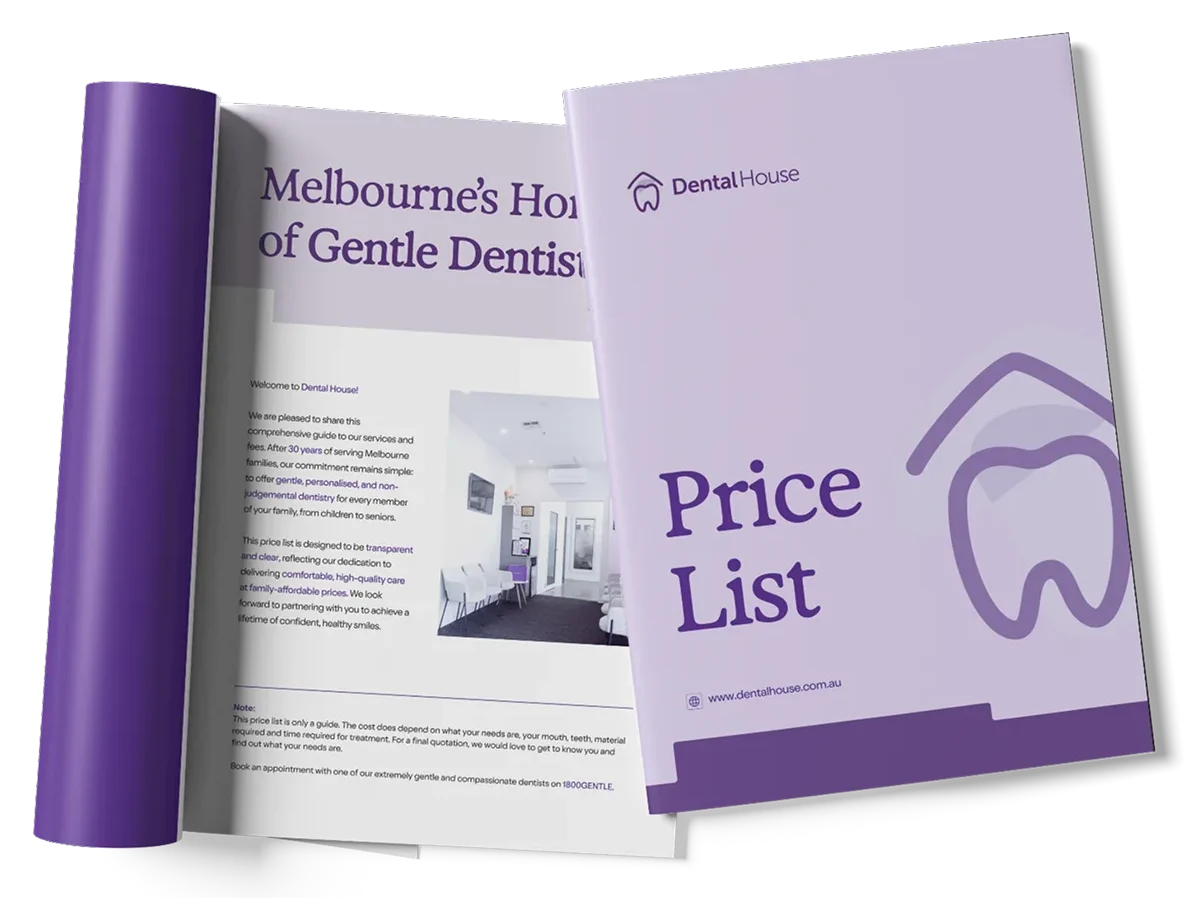
Quality dental care is an investment in your long-term health and wellbeing. Download our comprehensive price guide today.
Any questions?
Do all wisdom teeth need to be removed?
No. Wisdom teeth that have come through normally, are in a healthy position, and are easy to clean can usually be left alone. Removal is recommended where the teeth are impacted, causing repeated infections, damaging neighbouring teeth, or carrying other clinical concerns. Imaging and assessment guide the decision.
Can I be asleep for the procedure?
Yes. General anaesthesia is available at Taylors Lakes Dental House for patients who would prefer to be fully asleep for the procedure, as well as IV sedation for those who want to be relaxed but not fully under. Local anaesthesia is used in every case, regardless of additional anaesthesia chosen. We discuss the right option for your situation at the planning stage.
How long is the recovery?
The first 24 to 48 hours involve swelling, mild bleeding, and the need to rest. Most patients return to school, work, or normal activities within a few days, though jaw stiffness and tenderness can continue for a week or two. Full healing of the bone underneath takes several weeks. Recovery is generally faster for straightforward cases and longer for impacted teeth.
Making Your Smile Affordable
We offer flexible payment plans to suit your budget. Get the dental care you need, when you need it.



Our Promise To You

Same day emergency dental guarantee*

A caring, gentle approach at every appointment
5 Years warranty on major dentistry*
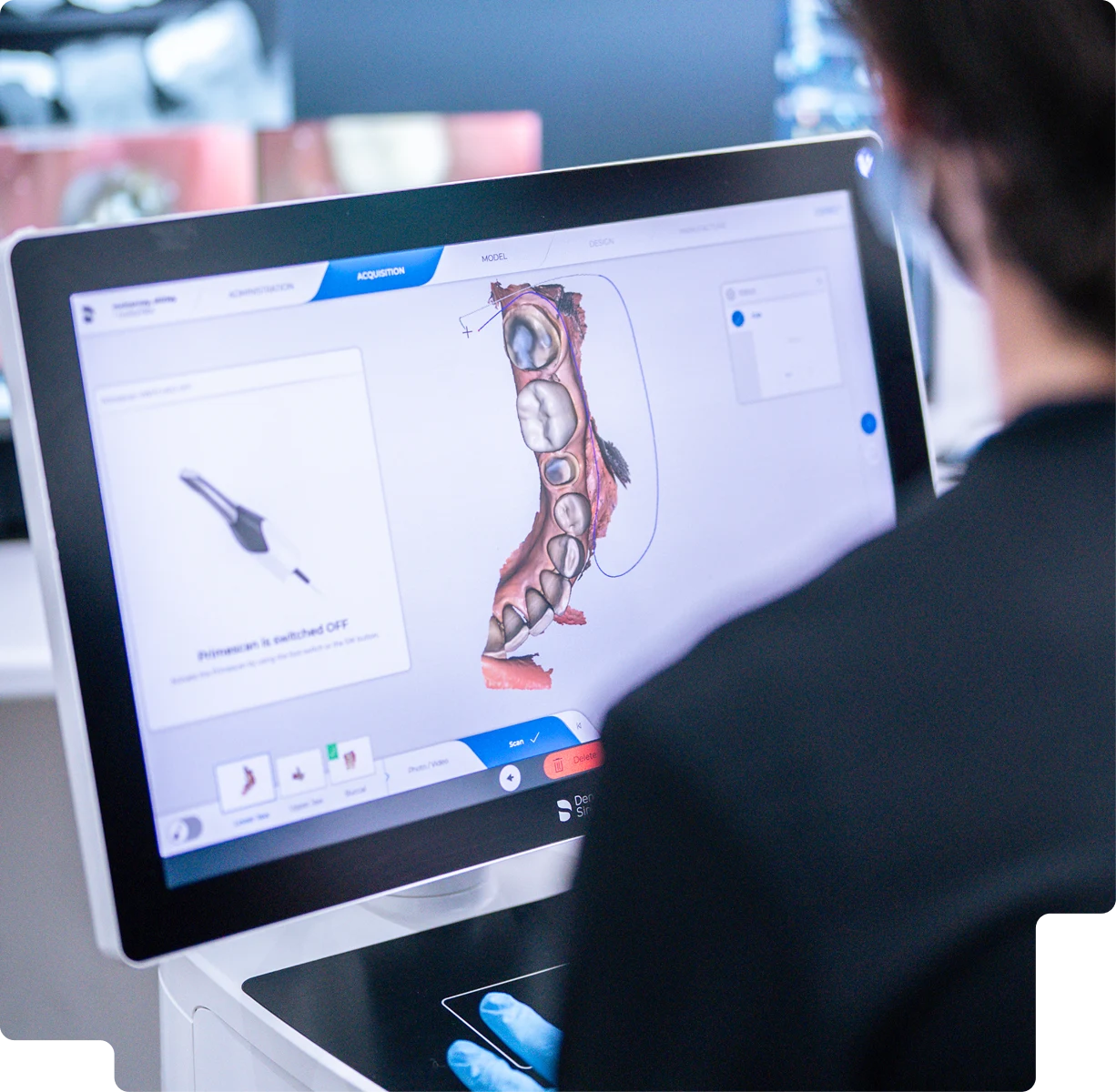
Advanced technology for your comfort
Ready to Get Yours Assessed?
The first step is a proper assessment, where we can examine your wisdom teeth, review the imaging, and explain whether removal is the right call. Get in touch with our Taylors Lakes team to book a time.
Disclaimer: The material posted is for informational purposes only and is not intended to substitute for professional medical advice, diagnosis or treatment. Results vary with each patient. Any dental procedure carries risks and benefits. If you have any specific questions about any dental and/or medical matter, you should consult your dentist, physician or other professional healthcare providers.
Medically Reviewed by Dr Fong Nien Yong, BDS
Last Reviewed: June 11, 2026
Let’s chat.
Take the first step today. Fill out the form and we will contact you to arrange your consultation.