Gum Treatment
Gum Treatment at Taylors Lakes, Keilor, & Sydenham
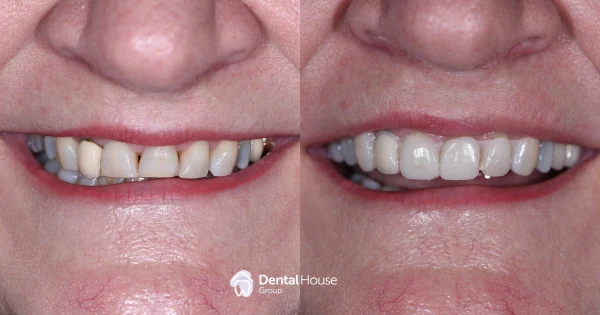
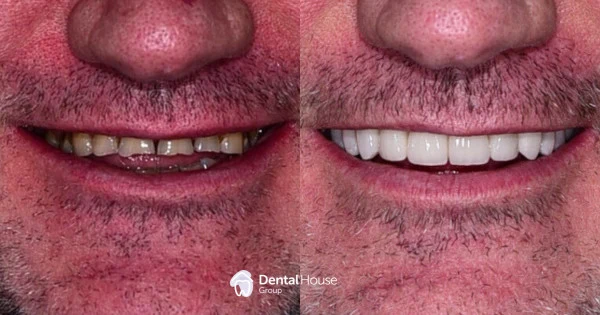
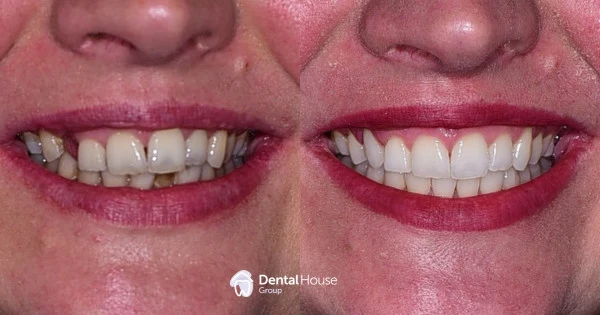
Concerned about a gummy smile or uneven gum line in Taylors Lakes? Our team offers gum recontouring to balance the gum-to-tooth ratio when the assessment confirms it is the right approach.
When Gums Take Centre Stage
For some patients, the gums show more than the teeth when smiling. For others, the gum line sits unevenly across the front teeth.
Gum recontouring reshapes the gum line to expose more tooth surface and create a more balanced appearance. The treatment is permanent.
How Gum Recontouring Works
Gum recontouring (also called gingivectomy) is a procedure that reshapes the gum line to change the proportion of gum to tooth visible when you smile. Excess gum tissue is carefully removed using either a dental laser or surgical instruments, and where needed, the underlying bone may also be reshaped.
The starting point is always a proper assessment to determine the cause of your concern. A gummy smile can be the result of excess gum tissue, shorter underlying teeth, lip mobility, or a combination of these. Not every gummy smile is best treated with recontouring.
Gum tissue does not grow back once removed. This makes careful planning essential, and the procedure is approached as irreversible. Individual outcomes vary based on anatomy, healing response, and how much tissue is removed.
Is Gum Recontouring Right for You?
At Taylors Lakes Dental House, we believe every patient deserves individual attention. Gum recontouring may be suitable following our comprehensive assessment, though each case requires careful evaluation of gum health, tooth length, and what is realistically achievable.
Your Gum Recontouring, Step by Step
Whilst individual needs vary based on the extent of tissue removal and the technique used, here is what you can typically expect.

Your Comprehensive Assessment
Our team examines your gums, teeth, and smile dynamics, takes measurements and photographs, and discusses what outcomes are realistically achievable for your case. (1 visit, approximately 45 to 60 minutes)

Treatment Planning
We explain the recommended approach (laser or surgical), how much tissue would be removed, the expected appearance changes, and the risks and irreversible nature of the procedure. (Same or follow-up visit, approximately 30 minutes)

The Recontouring Procedure
Under local anaesthetic, excess gum tissue is carefully removed using a dental laser or surgical instruments. The aim is symmetrical, natural-looking contours that suit your overall smile. (1 visit, approximately 60 to 90 minutes depending on the extent)

Initial Recovery
Swelling, tenderness, and sensitivity in the first several days are expected. A soft diet, prescribed pain management, and careful oral hygiene support healing during this phase. (Approximately 7 to 14 days)

Healing Review
A follow-up visit checks the healing progress, monitors the gum contours, and provides guidance for ongoing care as the tissue continues to settle. (Follow-up visit 1 to 2 weeks after the procedure, approximately 30 minutes)

Final Result Assessment
Once complete healing has occurred, we review the final gum contours and discuss whether the result meets expectations or whether further treatment is appropriate. (Follow-up visit 6 to 12 weeks after the procedure, approximately 30 minutes)
Your Comprehensive Assessment
Our team examines your gums, teeth, and smile dynamics, takes measurements and photographs, and discusses what outcomes are realistically achievable for your case. (1 visit, approximately 45 to 60 minutes)
Treatment Planning
We explain the recommended approach (laser or surgical), how much tissue would be removed, the expected appearance changes, and the risks and irreversible nature of the procedure. (Same or follow-up visit, approximately 30 minutes)
The Recontouring Procedure
Under local anaesthetic, excess gum tissue is carefully removed using a dental laser or surgical instruments. The aim is symmetrical, natural-looking contours that suit your overall smile. (1 visit, approximately 60 to 90 minutes depending on the extent)
Initial Recovery
Swelling, tenderness, and sensitivity in the first several days are expected. A soft diet, prescribed pain management, and careful oral hygiene support healing during this phase. (Approximately 7 to 14 days)
Healing Review
A follow-up visit checks the healing progress, monitors the gum contours, and provides guidance for ongoing care as the tissue continues to settle. (Follow-up visit 1 to 2 weeks after the procedure, approximately 30 minutes)
Final Result Assessment
Once complete healing has occurred, we review the final gum contours and discuss whether the result meets expectations or whether further treatment is appropriate. (Follow-up visit 6 to 12 weeks after the procedure, approximately 30 minutes)
Risks & Recovery
Gum recontouring is a surgical procedure with permanent implications, and there are risks and recovery considerations to understand before going ahead.
Possible risks include:
- Tenderness and discomfort in the treated area for several days
- Minor bleeding during or after the procedure
- Swelling or inflammation around the gum line
- Increased tooth sensitivity, particularly to hot and cold
- Infection or delayed healing in rare cases
- Asymmetry between sides as the gums heal at slightly different rates
- Further natural gum recession over time, potentially exposing more tooth than intended at the start
- The final result not matching the planned outcome in every detail
Recovery considerations:
- Discomfort generally settles within a few days
- A soft diet is helpful for the first week
- Sensitivity may continue for a short period and usually decreases with time
- The gums continue to settle for several weeks before the final contours stabilise
- Good oral hygiene is essential for long-term gum health
- Regular follow-up visits monitor healing and ongoing stability
This procedure carries risks. Please consult with a registered health practitioner to discuss all potential risks, benefits, and alternatives before proceeding.
Invest in Your Oral Health
Quality dental care is an investment in your long-term health and wellbeing. Download our comprehensive price guide today.
Any questions?
Will my gums grow back?
No. Gum tissue removal is permanent and irreversible. Once tissue is removed, it will not regenerate. This makes careful planning essential, as overcorrection cannot be easily reversed. Natural gum recession may continue over time, potentially exposing more tooth than initially intended.
How painful is the recovery?
Most patients experience moderate discomfort for 3-7 days, managed with over-the-counter or prescribed pain medication. Sensitivity to hot, cold and brushing is common during healing. Some patients experience minimal discomfort whilst others find recovery more challenging. Individual pain tolerance varies significantly.
When will I see the final result?
Initial changes are visible straight away, but swelling masks the true outcome for 2 to 4 weeks. The gums continue to heal and settle for 6 to 12 weeks before the final contours stabilise. The appearance shifts during this period, so patience is required to assess whether the result matches expectations.
Making Your Smile Affordable
We offer flexible payment plans to suit your budget. Get the dental care you need, when you need it.



Our Promise To You
Same day emergency dental guarantee*
A caring, gentle approach at every appointment
5 Years warranty on major dentistry*
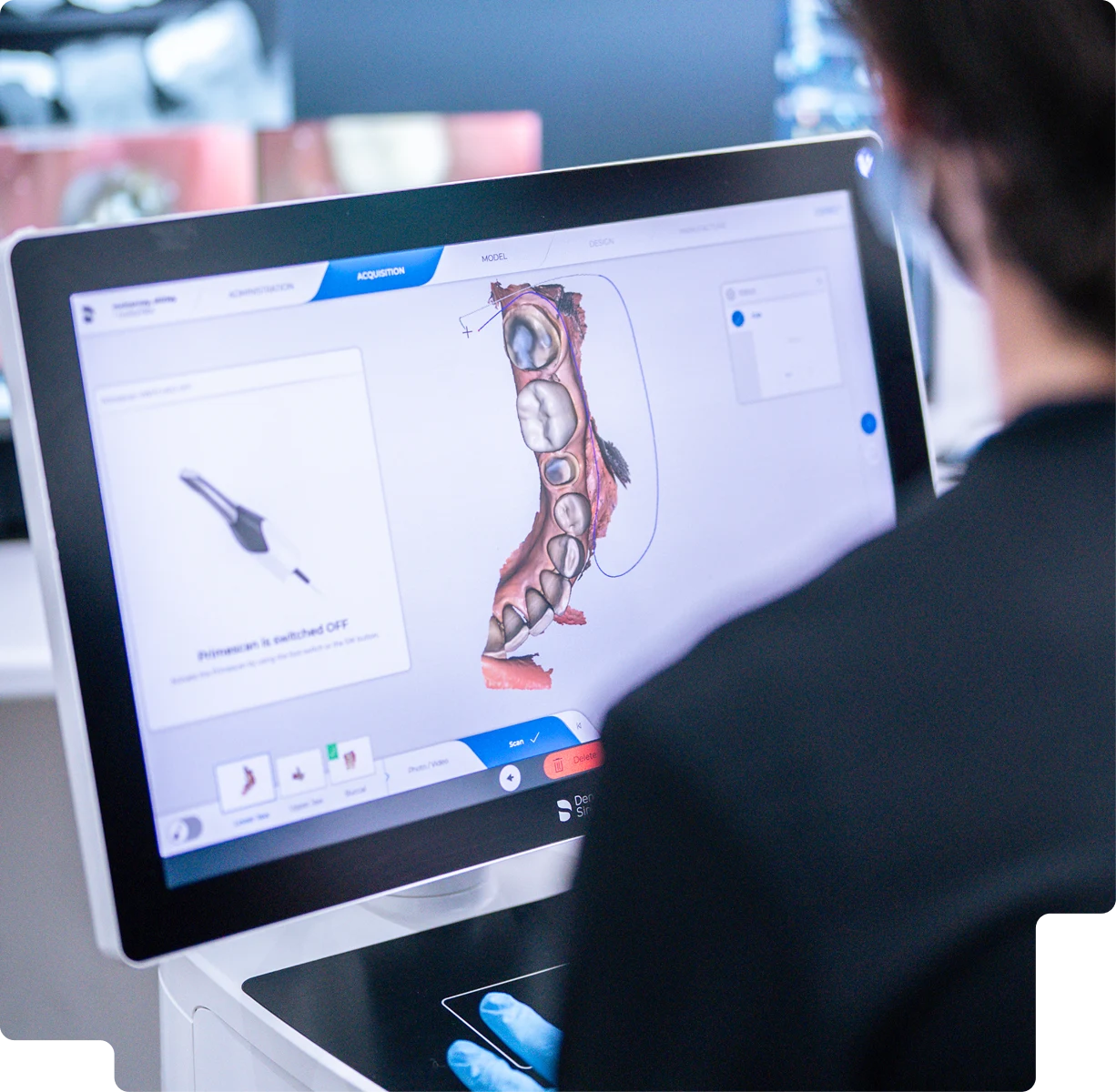
Advanced technology for your comfort
Ready to Discuss Your Options?
The first step is a proper consultation, where we can assess your gum line and tooth proportions and explain whether recontouring is the right approach. Get in touch with our Taylors Lakes team to book a time.
Disclaimer: The material posted is for informational purposes only and is not intended to substitute for professional medical advice, diagnosis or treatment. Results vary with each patient. Any dental procedure carries risks and benefits. If you have any specific questions about any dental and/or medical matter, you should consult your dentist, physician or other professional healthcare providers.
Medically Reviewed by Dr Fong Nien Yong, BDS
Last Reviewed: June 11, 2026
Let’s chat.
Take the first step today. Fill out the form and we will contact you to arrange your consultation.