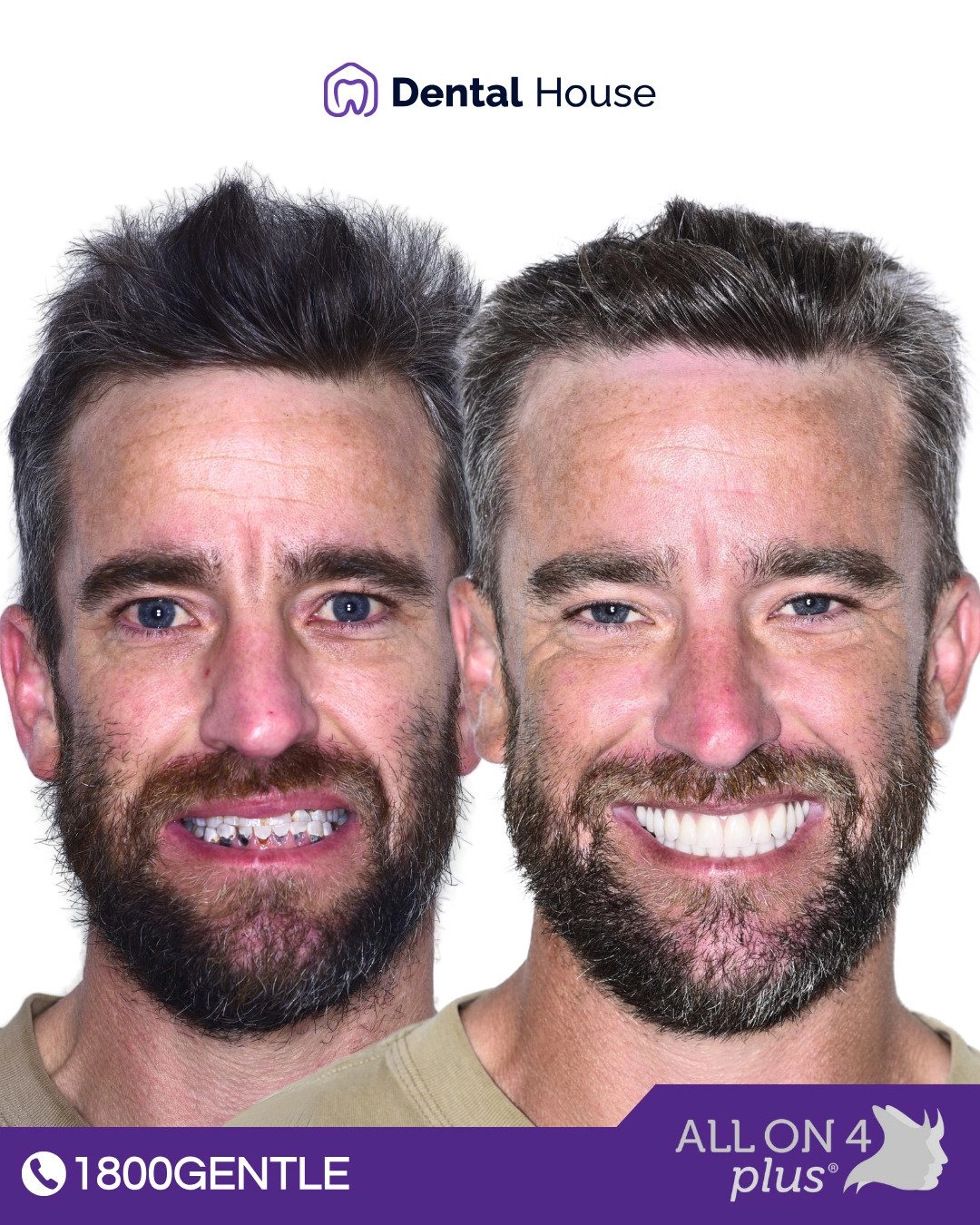
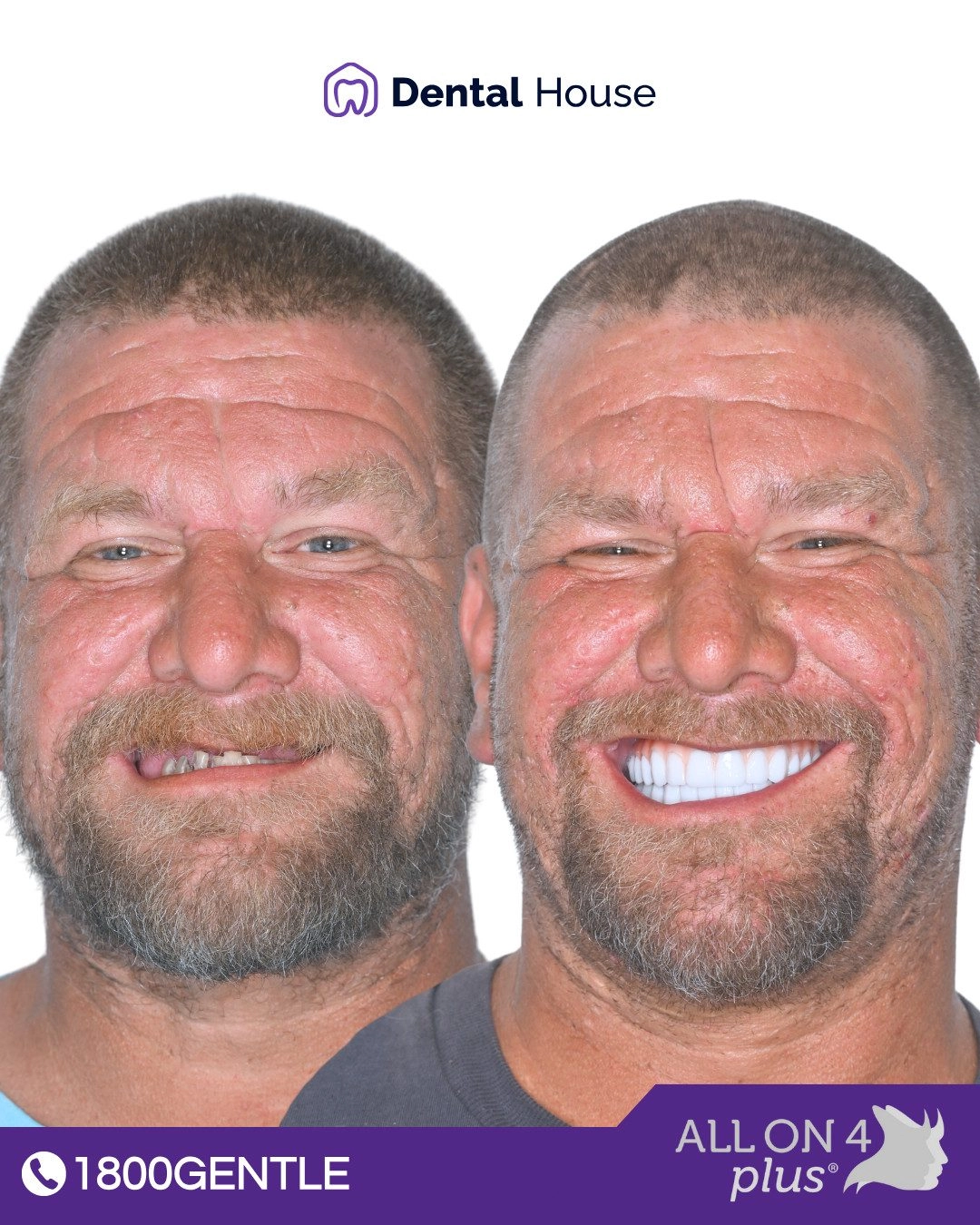
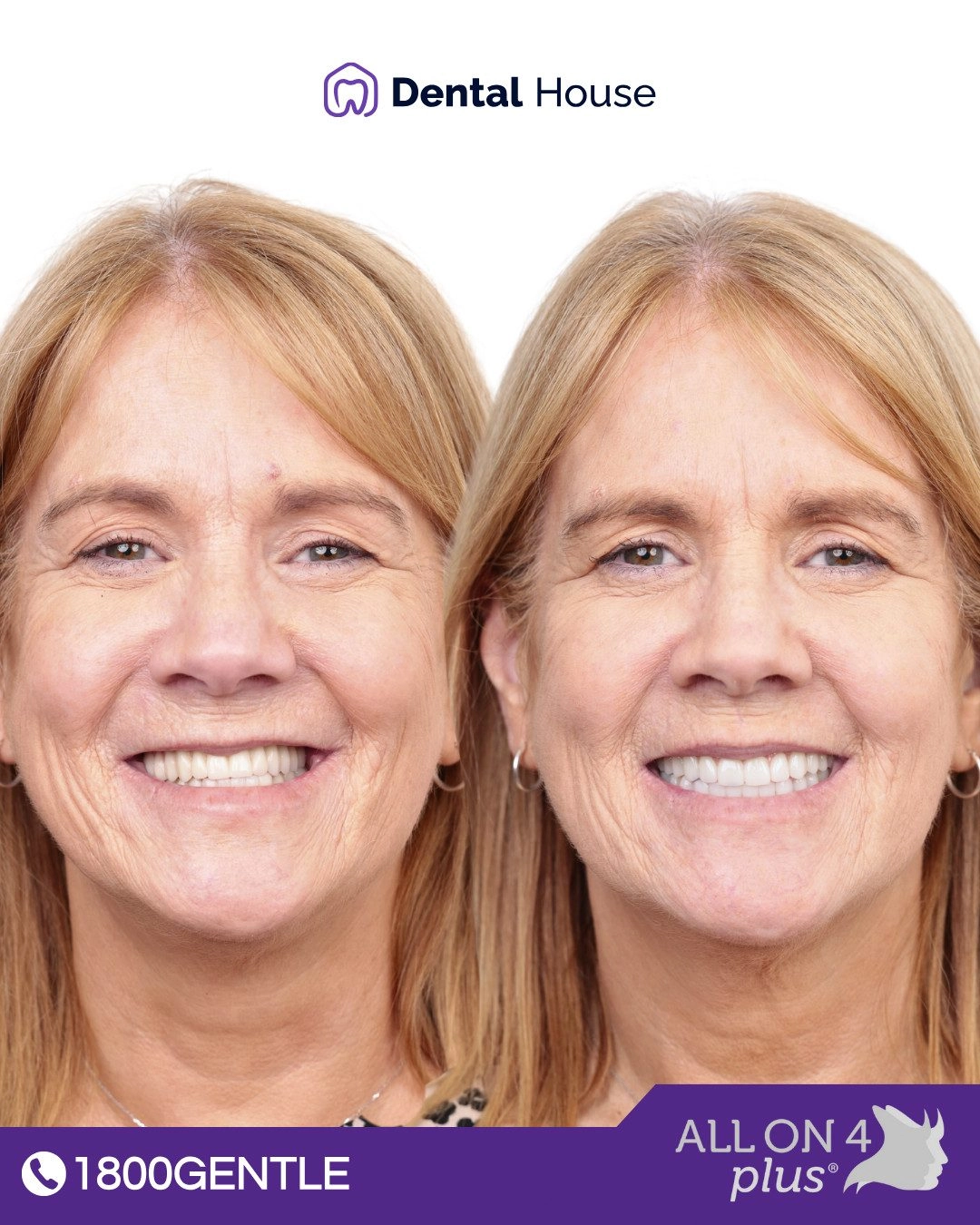

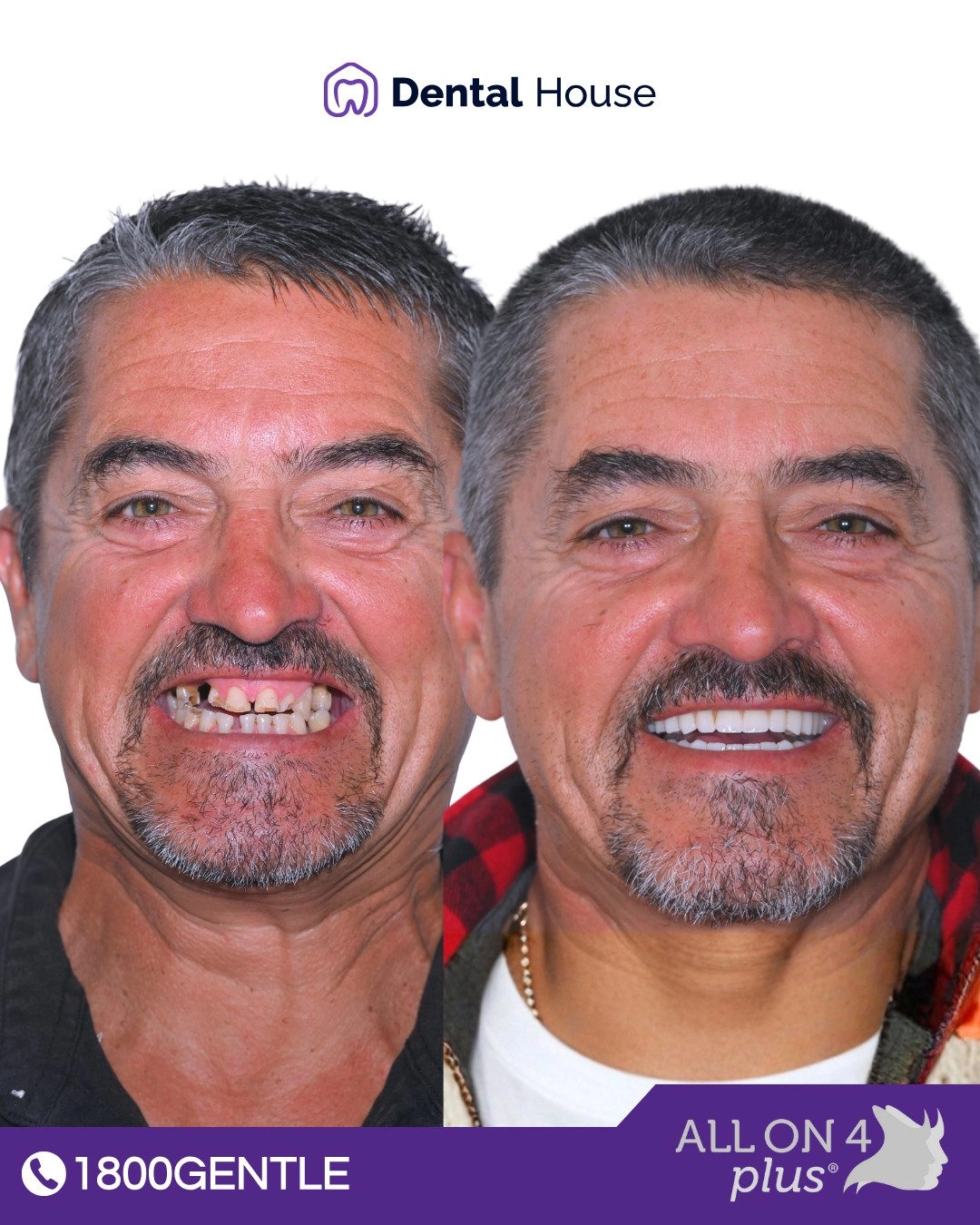
Tooth Restoration
Tooth Restoration at Taylors Lakes, Keilor, & Sydenham
Considering tooth restoration in Taylors Lakes? At Taylors Lakes Dental House, our team selects the right treatment to repair damaged teeth and preserve natural structure where possible.
Why Damaged Teeth Cannot Wait
A damaged tooth rarely improves on its own. Decay spreads, cracks deepen, and worn surfaces wear further.
Treating the problem early usually means a simpler, more conservative restoration. Left too long, the same tooth often needs more involved treatment such as a crown, a root canal, or extraction.
From a Filling to a Full Rebuild
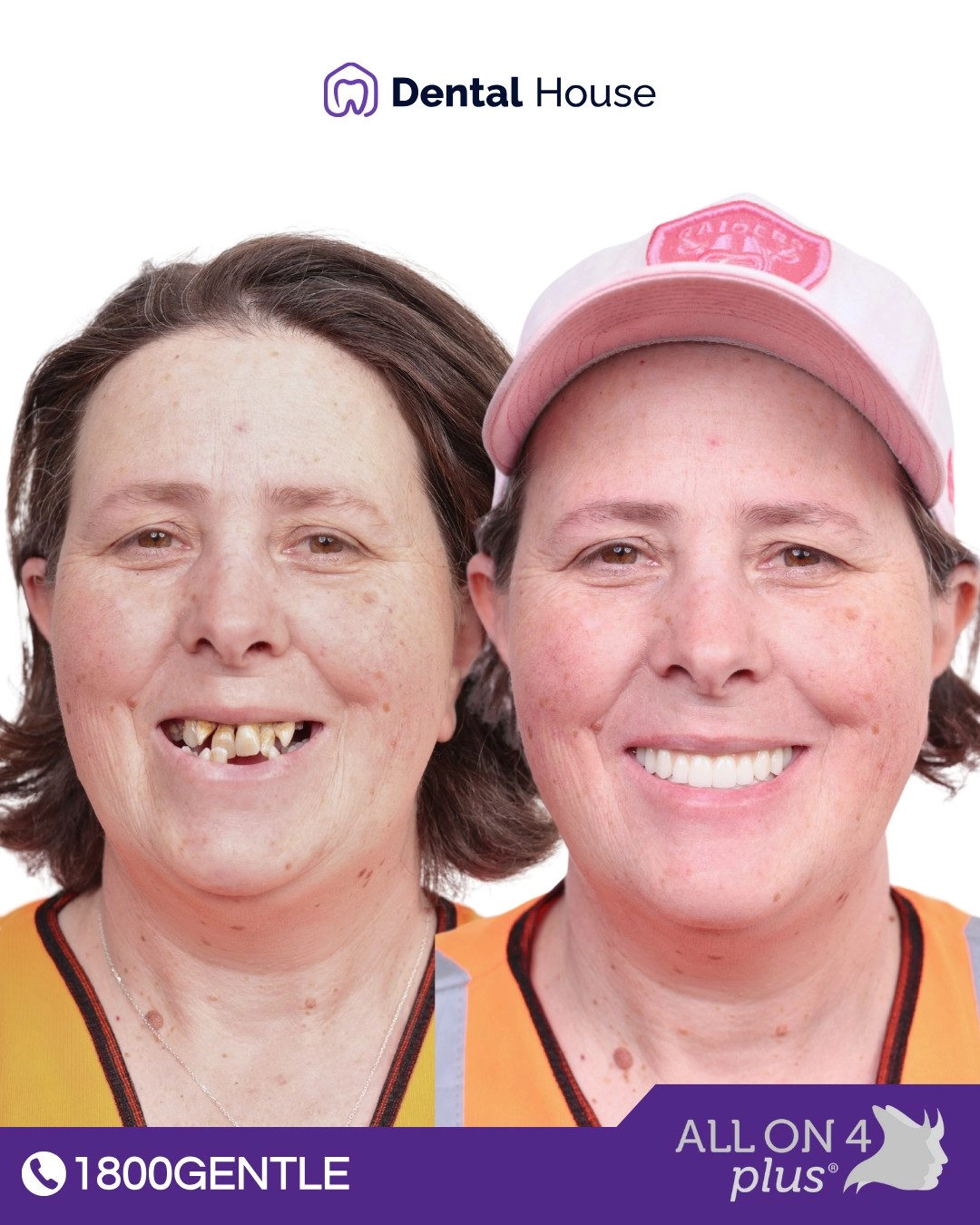
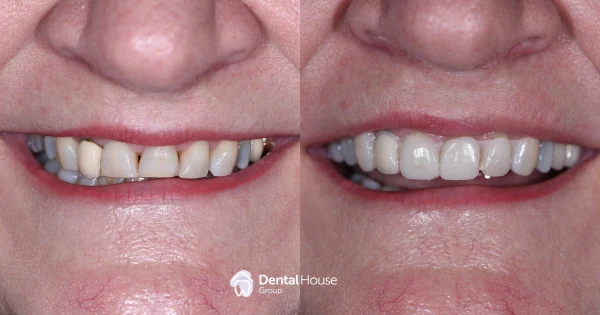
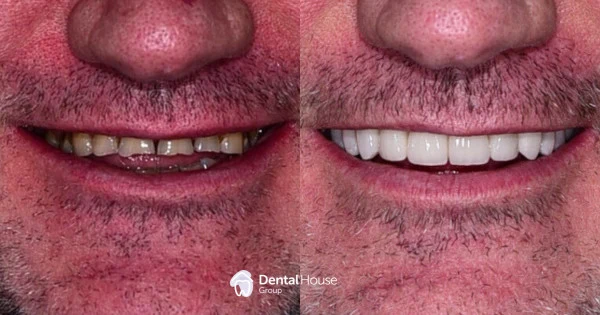
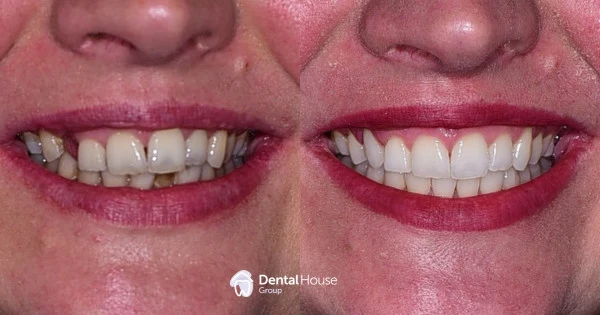
Tooth restoration covers the full range of treatments used to repair damaged teeth. The right approach depends on how much of the tooth has been affected and where the damage sits.
For small cavities and minor chips, a filling is usually enough. For teeth that have lost more structure or have undergone a root canal, a crown is often needed to protect what remains.
Where a tooth is missing entirely, a bridge or implant restores the gap.
Every restoration is built around your bite, remaining tooth structure, and the long-term outcome. Individual outcomes vary.
Is Restoration the Right Path for You?
At Taylors Lakes Dental House, we believe every patient deserves individual attention. Restoration may be the right path following our gentle, comprehensive assessment, though each case requires careful evaluation of the damage and the treatment options.
How Your Treatment Unfolds
Whilst individual needs vary significantly based on restoration type and tooth condition, here is what you can typically expect.

Your Comprehensive Assessment
Our team examines the affected teeth and takes diagnostic imaging to see what is happening beneath the surface. The goal is to understand the full picture before recommending any treatment. (1 visit, approximately 45 to 60 minutes)

Treatment Planning Discussion
We walk you through the restoration options for your specific teeth, including the materials, the timeline, the cost, and the trade-offs of each approach. You leave with a clear plan. (Same visit, approximately 20 to 30 minutes)

Any Necessary Preparatory Treatment
If decay needs removing, a root canal is required, or gum disease needs treating first, this stage runs before any final restoration is placed. (Additional visits as needed, timing varies)

Restoration Procedure
The recommended restoration is placed, whether that is a filling, a crown, a bridge, or a combination. The number of visits depends on the type of restoration. (1 to 3 visits depending on restoration type)

Healing and Adjustment Period
Mild sensitivity and bite settling are common in the first few days or weeks. Any adjustments needed for comfort are made at follow-up visits. (Days to weeks depending on procedure)

Ongoing Maintenance and Monitoring
Regular check-ups monitor the restoration and the surrounding teeth, with professional cleans to keep everything healthy. (Every 6 months ongoing)
Your Comprehensive Assessment
Our team examines the affected teeth and takes diagnostic imaging to see what is happening beneath the surface. The goal is to understand the full picture before recommending any treatment. (1 visit, approximately 45 to 60 minutes)
Treatment Planning Discussion
We walk you through the restoration options for your specific teeth, including the materials, the timeline, the cost, and the trade-offs of each approach. You leave with a clear plan. (Same visit, approximately 20 to 30 minutes)
Any Necessary Preparatory Treatment
If decay needs removing, a root canal is required, or gum disease needs treating first, this stage runs before any final restoration is placed. (Additional visits as needed, timing varies)
Restoration Procedure
The recommended restoration is placed, whether that is a filling, a crown, a bridge, or a combination. The number of visits depends on the type of restoration. (1 to 3 visits depending on restoration type)
Healing and Adjustment Period
Mild sensitivity and bite settling are common in the first few days or weeks. Any adjustments needed for comfort are made at follow-up visits. (Days to weeks depending on procedure)
Ongoing Maintenance and Monitoring
Regular check-ups monitor the restoration and the surrounding teeth, with professional cleans to keep everything healthy. (Every 6 months ongoing)
Risks & Recovery
Tooth restorations repair damaged or decayed teeth, and as with any dental procedure, there are risks and recovery considerations.
Possible risks include:
- Temporary tooth sensitivity after the restoration is placed
- Gum tenderness around the treated area
- Fracture, wear, or loosening of the restoration over time
- The need for further treatment such as a crown or root canal if the tooth is more severely affected than initial imaging showed
- Decay forming at the margins of older restorations if home care is inconsistent
Recovery considerations:
- Most patients return to normal activities straight away
- Mild sensitivity usually resolves within a few days to weeks
- Soft foods are easier in the first day or two after larger restorations
- A night guard may be recommended for patients who grind or clench
- Regular reviews and good home care support long-term function

Invest in Your Oral Health
Quality dental care is an investment in your long-term health and wellbeing. Download our comprehensive price guide today.
Any questions?

How do I know which type of restoration I need?
The appropriate restoration depends on factors including damage extent, tooth location, remaining structure, and functional requirements. Our team will assess your specific situation and recommend suitable options, explaining benefits and limitations of each approach.
Can all damaged teeth be restored?
Most damaged teeth can be restored if adequate healthy tooth structure remains and supporting tissues are healthy. However, severely compromised teeth may require extraction. Early treatment generally allows more conservative restoration options with better long-term outcomes.
How long will my restoration last?
Restoration longevity varies by type, ranging from 5-10 years for fillings to 10-15 years or more for crowns and bridges. Individual durability depends on factors including restoration type, location, bite forces, oral hygiene, and regular professional maintenance.
Making Your Smile Affordable
We offer flexible payment plans to suit your budget. Get the dental care you need, when you need it.



Our Promise To You

Same day emergency dental guarantee*

A caring, gentle approach at every appointment
5 Years warranty on major dentistry*

Advanced technology for your comfort
Ready to Look at Your Options?
The first step is a comprehensive consultation to assess what type of tooth restoration could suit your needs. Contact our caring Taylors Lakes team today.
Disclaimer: The material posted is for informational purposes only and is not intended to substitute for professional medical advice, diagnosis or treatment. Results vary with each patient. Any dental procedure carries risks and benefits. If you have any specific questions about any dental and/or medical matter, you should consult your dentist, physician or other professional healthcare providers.
Medically Reviewed by Dr Fong Nien Yong, BDS
Last Reviewed: June 11, 2026
Let’s chat.
Take the first step today. Fill out the form and we will contact you to arrange your consultation.