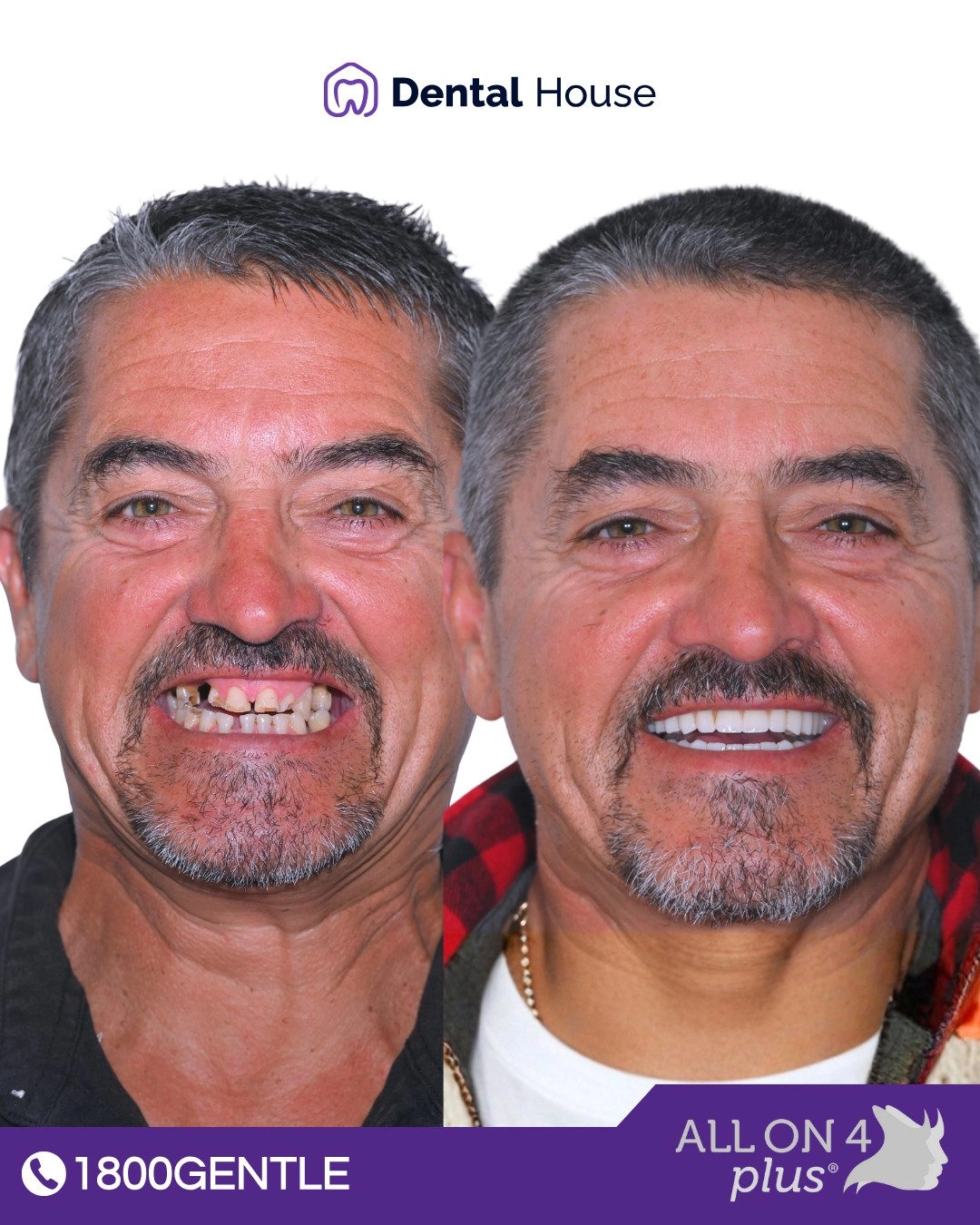
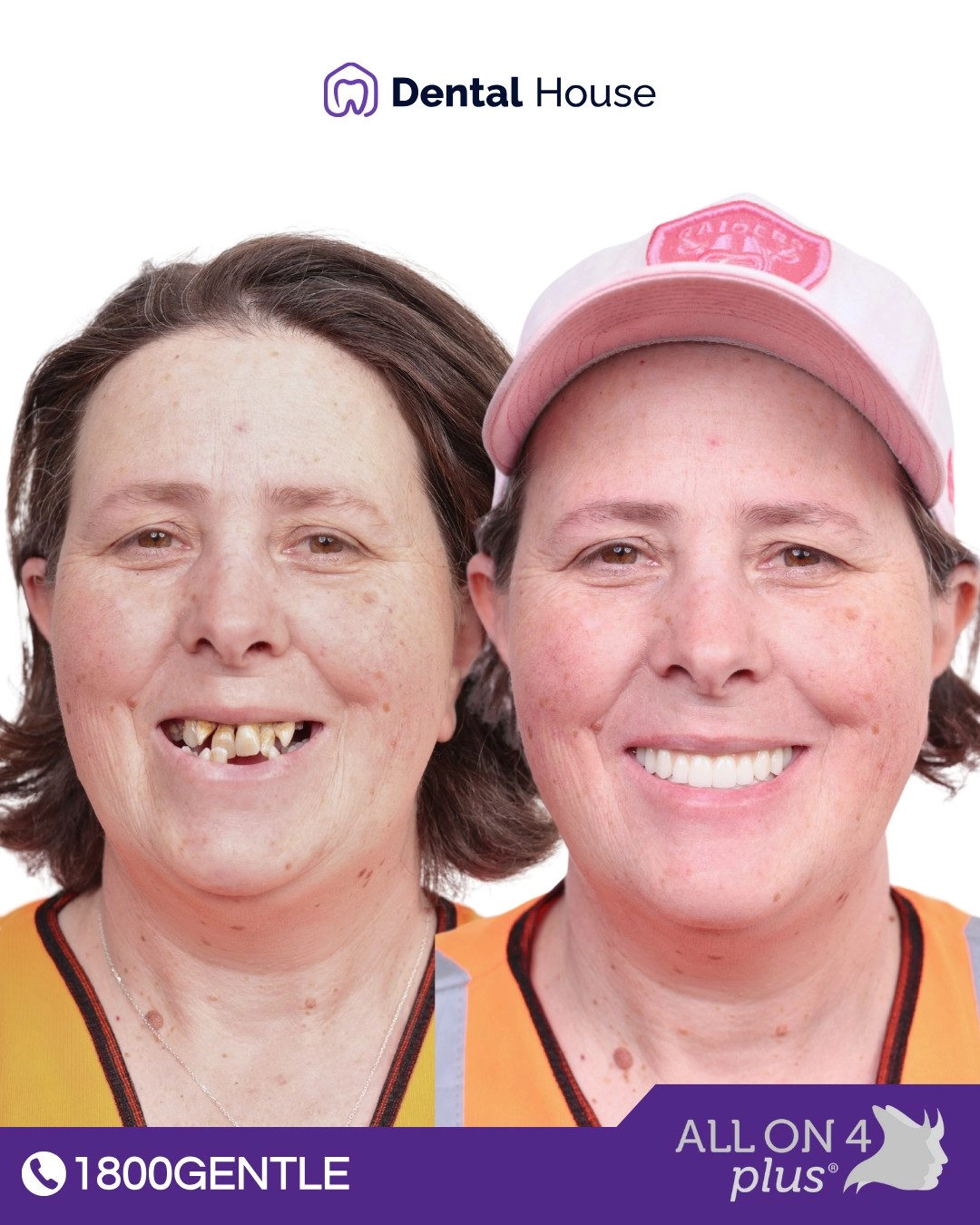
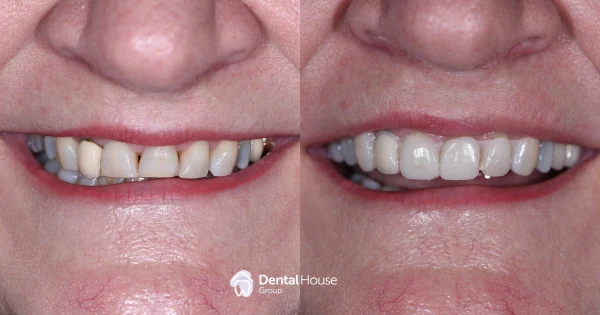
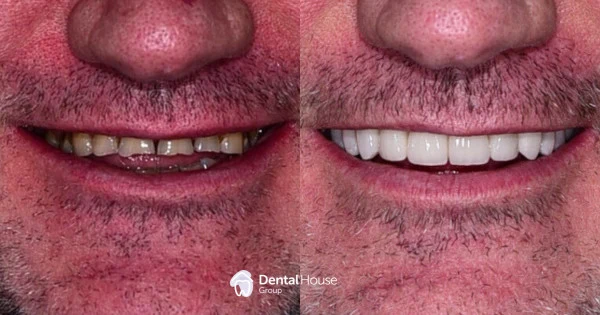
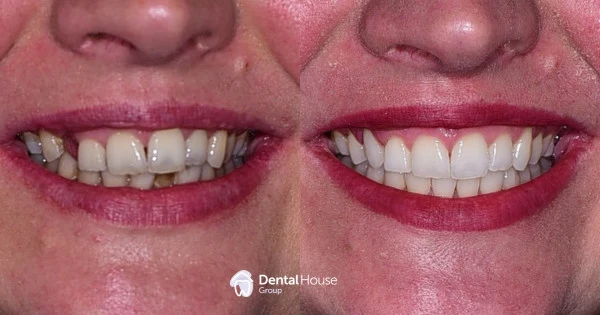
Cosmetic Bonding
Cosmetic Bonding at Taylors Lakes, Keilor, & Sydenham
Considering cosmetic bonding in Taylors Lakes? Our team assesses whether bonding is the right approach for the changes you would like to see, and explains how it compares to other cosmetic options.
A Conservative Cosmetic Option
Some cosmetic concerns do not need the permanent commitment of veneers or crowns. Cosmetic bonding uses a tooth-coloured composite resin to repair small chips, close minor gaps, or improve the shape of a single tooth, often in a single appointment.
How Bonding Works
Cosmetic bonding uses the same composite material as a tooth-coloured filling, applied to the front of the tooth and shaped by hand to achieve the desired change.
The tooth surface is lightly prepared, the composite is applied in layers, and each layer is hardened with a curing light. The bonded area is then shaped, smoothed, and polished to blend with the surrounding teeth.
Bonding is usually completed in a single appointment without local anaesthesia in most cases. It is reversible in the sense that no significant enamel is removed.
Composite is softer than porcelain. It can stain, chip, or wear over time, and may need refreshing or replacement. Individual outcomes vary based on the tooth, the bite, and home care.
Is Bonding Right for You?
At Taylors Lakes Dental House, we believe every patient deserves individual attention. Bonding may be suitable following our comprehensive assessment, though each case requires careful evaluation of the tooth, the concern, and the available alternatives.
How a Bonding Appointment Works
Whilst the specifics vary based on the tooth and the change being made, here is what you can typically expect.

Your Comprehensive Assessment
We examine the tooth, discuss what you would like to change, and confirm whether bonding is appropriate. Where another treatment such as a veneer or orthodontic option would suit better, we explain why. (1 visit, approximately 30 to 45 minutes)

Shade Matching
The composite shade is selected to match your surrounding teeth, taking into account natural variations in shade across the tooth.

Tooth Preparation
The tooth surface is lightly etched to help the composite bond securely. Local anaesthesia is generally not needed, though it is available if you would prefer.

Composite Application
The composite resin is applied to the tooth in layers, with each layer shaped by hand and hardened with a curing light. (Approximately 30 to 60 minutes depending on the area being treated)

Shaping and Polishing
The bonded area is shaped to match the contour of the tooth, then smoothed and polished so the surface blends with the surrounding enamel.

Final Check and Aftercare
The bite is checked, any small adjustments are made, and you leave with home care advice to protect the bonded area.
Your Comprehensive Assessment
We examine the tooth, discuss what you would like to change, and confirm whether bonding is appropriate. Where another treatment such as a veneer or orthodontic option would suit better, we explain why. (1 visit, approximately 30 to 45 minutes)
Shade Matching
The composite shade is selected to match your surrounding teeth, taking into account natural variations in shade across the tooth.
Tooth Preparation
The tooth surface is lightly etched to help the composite bond securely. Local anaesthesia is generally not needed, though it is available if you would prefer.
Composite Application
The composite resin is applied to the tooth in layers, with each layer shaped by hand and hardened with a curing light. (Approximately 30 to 60 minutes depending on the area being treated)
Shaping and Polishing
The bonded area is shaped to match the contour of the tooth, then smoothed and polished so the surface blends with the surrounding enamel.
Final Check and Aftercare
The bite is checked, any small adjustments are made, and you leave with home care advice to protect the bonded area.
Risks & Recovery
Bonding is generally well tolerated and conservative compared to veneers or crowns, but there are practical trade-offs to understand.
Important considerations include:
- Composite is softer than porcelain and can chip or wear over time, particularly on biting edges
- Composite stains more readily than porcelain, particularly from coffee, tea, red wine, and smoking
- Bonding usually needs refreshing or replacement every several years, depending on the tooth and your habits
- Some cosmetic concerns are better addressed with veneers, crowns, or orthodontics, and bonding may not deliver the result you are hoping for
- Mild sensitivity in the first few days is common
- The bonded area is monitored at regular check-ups to catch wear or staining early
- Significant grinding or clenching may compromise the bonding and a night guard may be recommended
This procedure carries risks. Please consult with a registered health practitioner to discuss all potential risks, benefits, and alternatives before proceeding.
Invest in Your Oral Health
Quality dental care is an investment in your long-term health and wellbeing. Download our comprehensive price guide today.
Any questions?

How does bonding compare to porcelain veneers?
Bonding uses composite resin applied directly to the tooth, usually in a single visit with little to no preparation of the natural tooth. Veneers use porcelain shells custom-fabricated by a lab and bonded to the front of the tooth, which requires permanent preparation. Bonding is more conservative and reversible. Veneers are typically more stain-resistant and longer-lasting. The right choice depends on what you are trying to change and your priorities.
How long does cosmetic bonding last?
Bonding typically lasts 3-10 years depending on the tooth location, size of repair, your bite forces and maintenance habits. Bonding on front teeth often lasts longer than on biting edges. Avoiding hard foods, not biting nails or pens, and good oral hygiene help extend bonding lifespan, though replacement is eventually needed.
Will the bonding match my natural teeth?
The composite is shade-matched to your surrounding teeth at the appointment, with attention to natural variation across the tooth. Most patients find the result blends well with surrounding teeth. Composite responds to light differently from natural enamel in some lighting, though for most everyday situations the match is close.
Making Your Smile Affordable
We offer flexible payment plans to suit your budget. Get the dental care you need, when you need it.



Our Promise To You
Same day emergency dental guarantee*

A caring, gentle approach at every appointment
5 Years warranty on major dentistry*
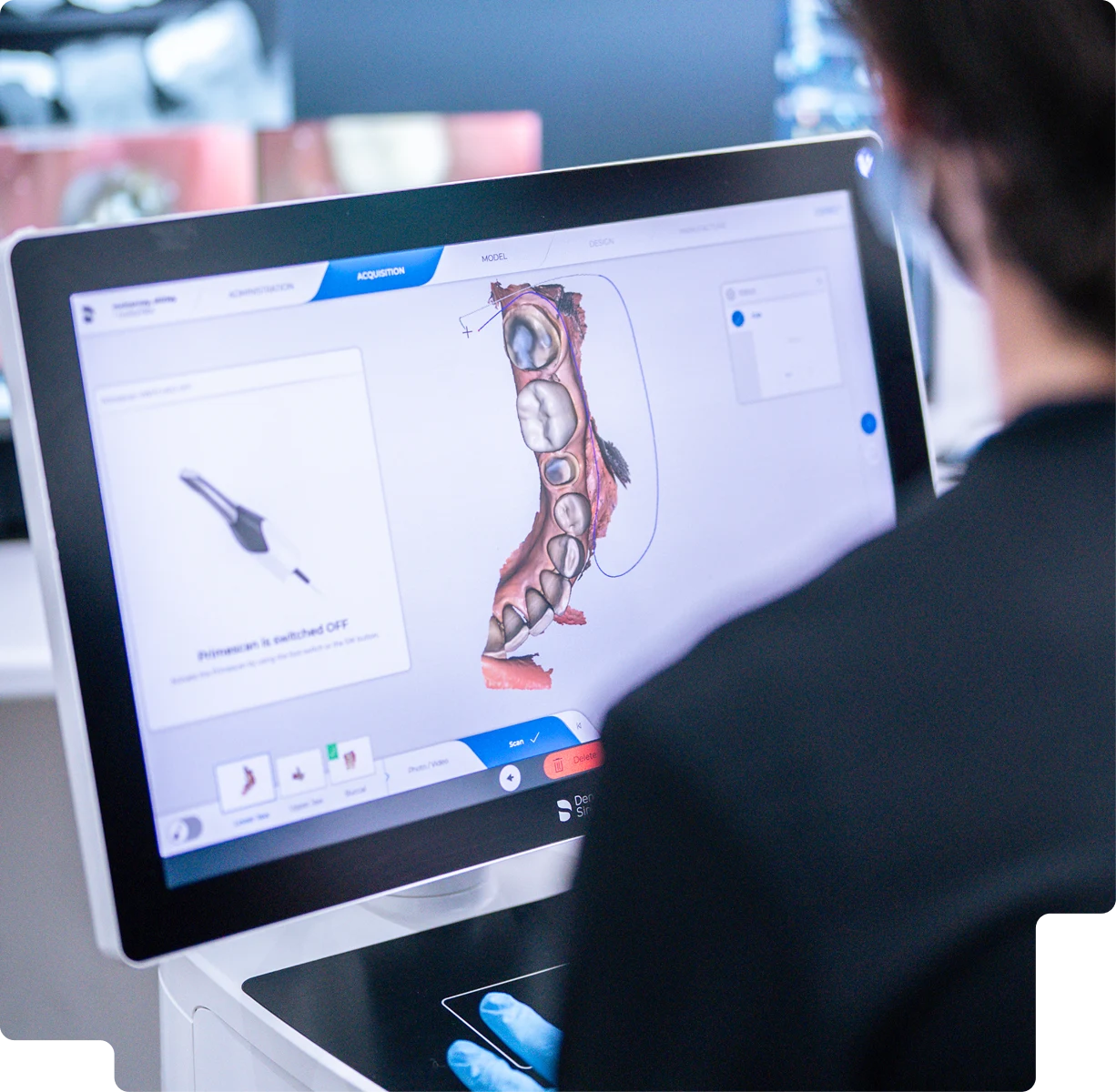
Advanced technology for your comfort
Ready to Discuss Your Options?
The first step is a proper consultation, where we can look at the tooth and explain whether cosmetic bonding is the right approach. Get in touch with our Taylors Lakes team to book a time.
Disclaimer: The material posted is for informational purposes only and is not intended to substitute for professional medical advice, diagnosis or treatment. Results vary with each patient. Any dental procedure carries risks and benefits. If you have any specific questions about any dental and/or medical matter, you should consult your dentist, physician or other professional healthcare providers.
Medically Reviewed by Dr Fong Nien Yong, BDS
Last Reviewed: June 11, 2026
Let’s chat.
Take the first step today. Fill out the form and we will contact you to arrange your consultation.