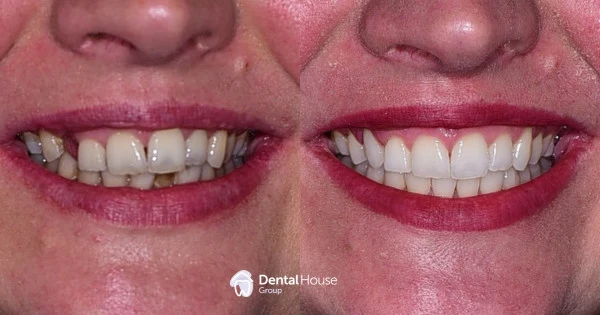
Emergency Dentistry
Emergency Dentistry at Taylors Lakes, Keilor, & Sydenham
Experiencing a dental emergency in Taylors Lakes? Our team prioritises same-day care for urgent dental situations, with assessment and treatment to address pain, trauma, and infection.
When Treatment Cannot Wait
A knocked-out tooth, sudden swelling, severe pain that will not settle. These situations need professional attention quickly.
Acting fast often gives the best chance of preserving the tooth or controlling the problem before it spreads. The first call matters as much as the first appointment.
What Counts as a Dental Emergency
Not every dental concern is an emergency, and a same-day appointment is not always required. The situations below are the ones that genuinely warrant urgent attention.
Severe pain that interferes with eating, sleeping, or daily activities, particularly when it is not responding to over-the-counter pain relief.
Knocked-out teeth from trauma. The window for re-implantation is short, and how the tooth is handled in those first 20 to 30 minutes matters.
Significant chips, cracks, or fractures where the tooth is in pain, the nerve may be exposed, or there are sharp edges injuring soft tissue.
Facial or jaw swelling, particularly around the eye, cheek, or neck, which may signal a spreading infection requiring prompt care.
Uncontrolled bleeding from the mouth following injury, extraction, or other dental procedures.
Signs of dental infection such as fever, throbbing pain, pus discharge, or a bad taste from a particular tooth.
If you are unsure whether your situation is an emergency, call the practice for guidance.
Could You Need Emergency Care?
At Taylors Lakes Dental House, urgent situations are triaged by phone first, then seen as appropriate to the case.
How Emergency Care Unfolds
Whilst every emergency is different, here is the general shape of how we handle urgent cases. *Same-day appointments are available when you call before 3 pm Monday to Friday.

Triage Call
Call 1800 GENTLE (1800 436 853) as soon as the situation occurs. We assess what is happening over the phone, give immediate first-aid guidance if appropriate, and arrange the right appointment. (Phone call, immediate)

Pain Management and Stabilisation
At the appointment, the first priority is addressing pain, controlling bleeding, and stabilising the situation. (Emergency visit, approximately 30 to 60 minutes)

Assessment
Once stable, we examine the area, take X-rays where needed, and determine the extent of the issue. (Same visit, additional 15 to 30 minutes)

Immediate Treatment
Depending on the case, treatment may include tooth re-implantation, temporary or permanent restoration, infection management, drainage of an abscess, or stabilisation pending further care. (Same visit, timing varies)

Follow-Up Plan
A clear plan is laid out for next steps, whether that is a follow-up visit, further treatment such as a root canal or crown, or referral if a specialist is involved. (Follow-up visits as needed)

Preventive Discussion
Once the immediate situation is addressed, we discuss what can be done to reduce the risk of similar emergencies in future. (Future visits)
Triage Call
Call 1800 GENTLE (1800 436 853) as soon as the situation occurs. We assess what is happening over the phone, give immediate first-aid guidance if appropriate, and arrange the right appointment. (Phone call, immediate)
Pain Management and Stabilisation
At the appointment, the first priority is addressing pain, controlling bleeding, and stabilising the situation. (Emergency visit, approximately 30 to 60 minutes)
Assessment
Once stable, we examine the area, take X-rays where needed, and determine the extent of the issue. (Same visit, additional 15 to 30 minutes)
Immediate Treatment
Depending on the case, treatment may include tooth re-implantation, temporary or permanent restoration, infection management, drainage of an abscess, or stabilisation pending further care. (Same visit, timing varies)
Follow-Up Plan
A clear plan is laid out for next steps, whether that is a follow-up visit, further treatment such as a root canal or crown, or referral if a specialist is involved. (Follow-up visits as needed)
Preventive Discussion
Once the immediate situation is addressed, we discuss what can be done to reduce the risk of similar emergencies in future. (Future visits)
First-Aid Steps Before You Arrive
While you are on your way to the practice, the following first-aid steps may help, depending on the situation.
Knocked-out adult tooth: Pick up the tooth by the crown (the part you normally see), never the root. Rinse it briefly in milk or saline if dirty. Do not scrub it. If possible, place it back in the socket and hold it there. If that is not possible, store the tooth in milk, saline, or saliva (cheek pouch) on the way to the practice. The first 20 to 30 minutes are important.
Knocked-out baby tooth: Do not attempt to put it back in. Call the practice for advice.
Significant pain: Take over-the-counter pain relief as directed on the packaging. A cold compress against the cheek may help reduce inflammation.
Bleeding: Apply firm, steady pressure with a clean cloth or gauze for 10 to 15 minutes. Avoid spitting or rinsing forcefully.
Swelling: A cold compress against the cheek can help. If swelling spreads to the eye or neck, or you are having trouble swallowing or breathing, call 000 or go to a hospital emergency department immediately.
Lost crown or filling: Keep the piece if you can find it. Avoid chewing on that side and call the practice.
Invest in Your Oral Health
Quality dental care is an investment in your long-term health and wellbeing. Download our comprehensive price guide today.
Any questions?
What counts as a dental emergency?
Severe pain stopping you from functioning normally, a knocked-out or badly broken tooth, facial swelling, uncontrolled bleeding, or signs of spreading infection all warrant same-day contact. If you’re unsure whether your situation is urgent, call us and we’ll help you work that out.
Do you see emergency patients out of hours?
We aim to accommodate urgent dental issues during practice hours and prioritise same-day care where possible. Out-of-hours availability varies. When the practice is closed, we provide guidance on where to seek urgent care, including hospital emergency departments for serious cases.
What do I do with a knocked-out tooth?
Handle the tooth by the crown only, never the root. Rinse briefly in milk or saline if dirty. If possible, place the tooth gently back in its socket. If not, store it in milk, saline, or saliva (cheek pouch) on the way to the practice. The first 20 to 30 minutes after the tooth comes out are important for the best chance of re-implantation, though outcomes still vary.
Making Your Smile Affordable
We offer flexible payment plans to suit your budget. Get the dental care you need, when you need it.



Our Promise To You
Same day emergency dental guarantee*
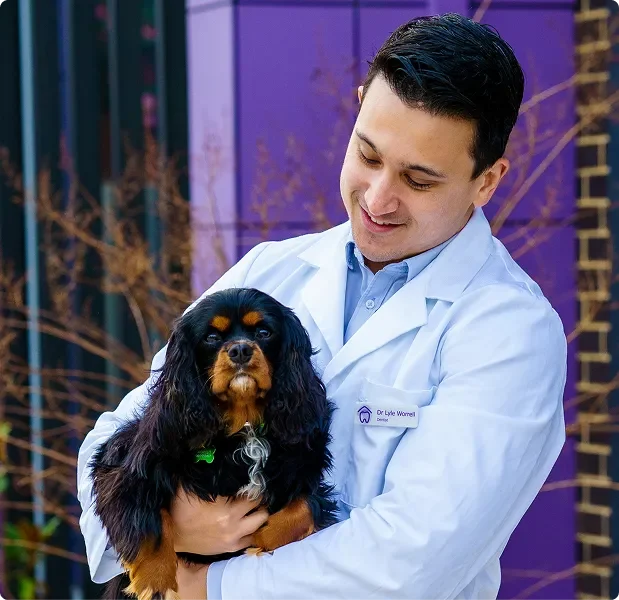
A caring, gentle approach at every appointment
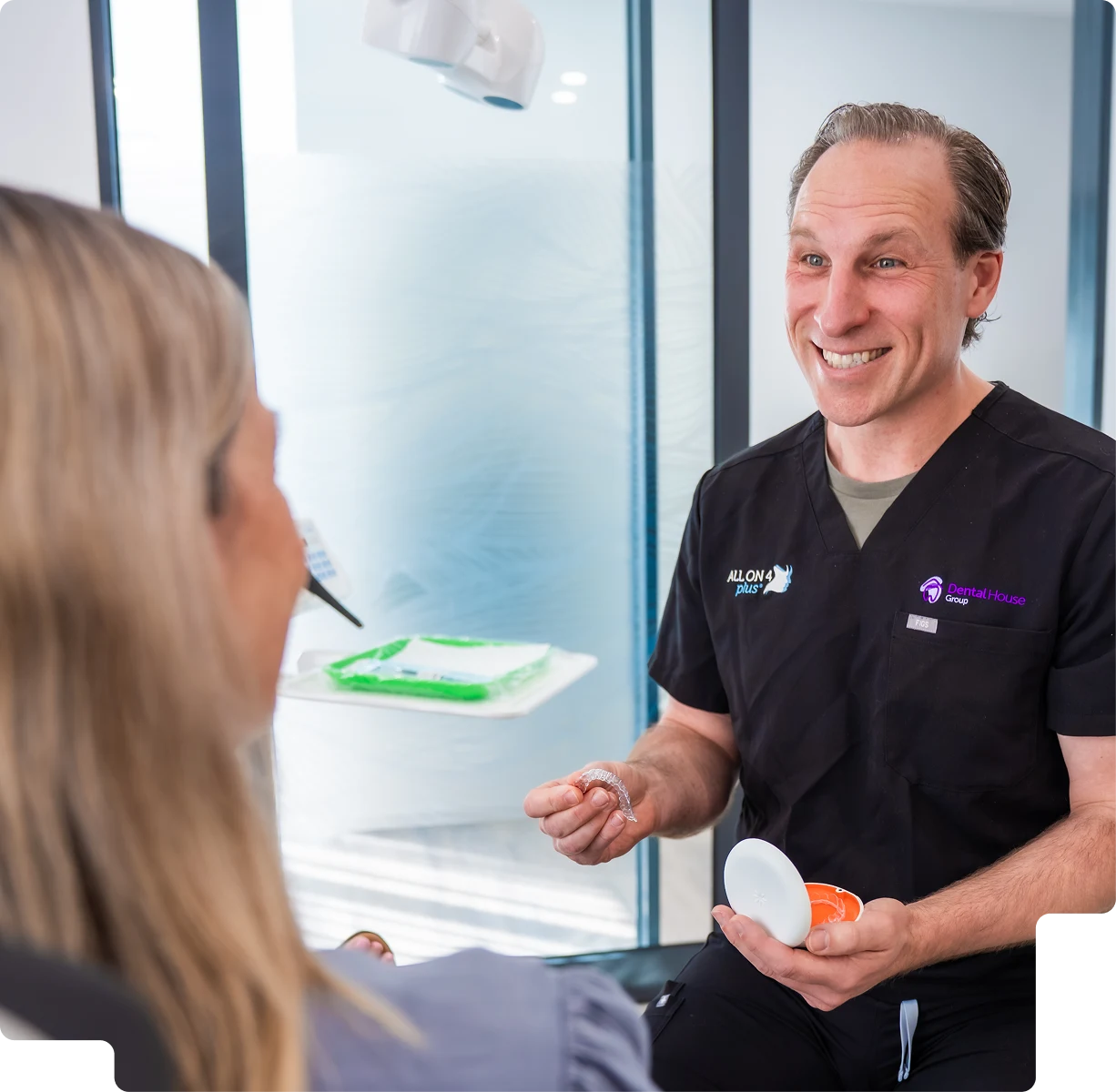
5 Years warranty on major dentistry*
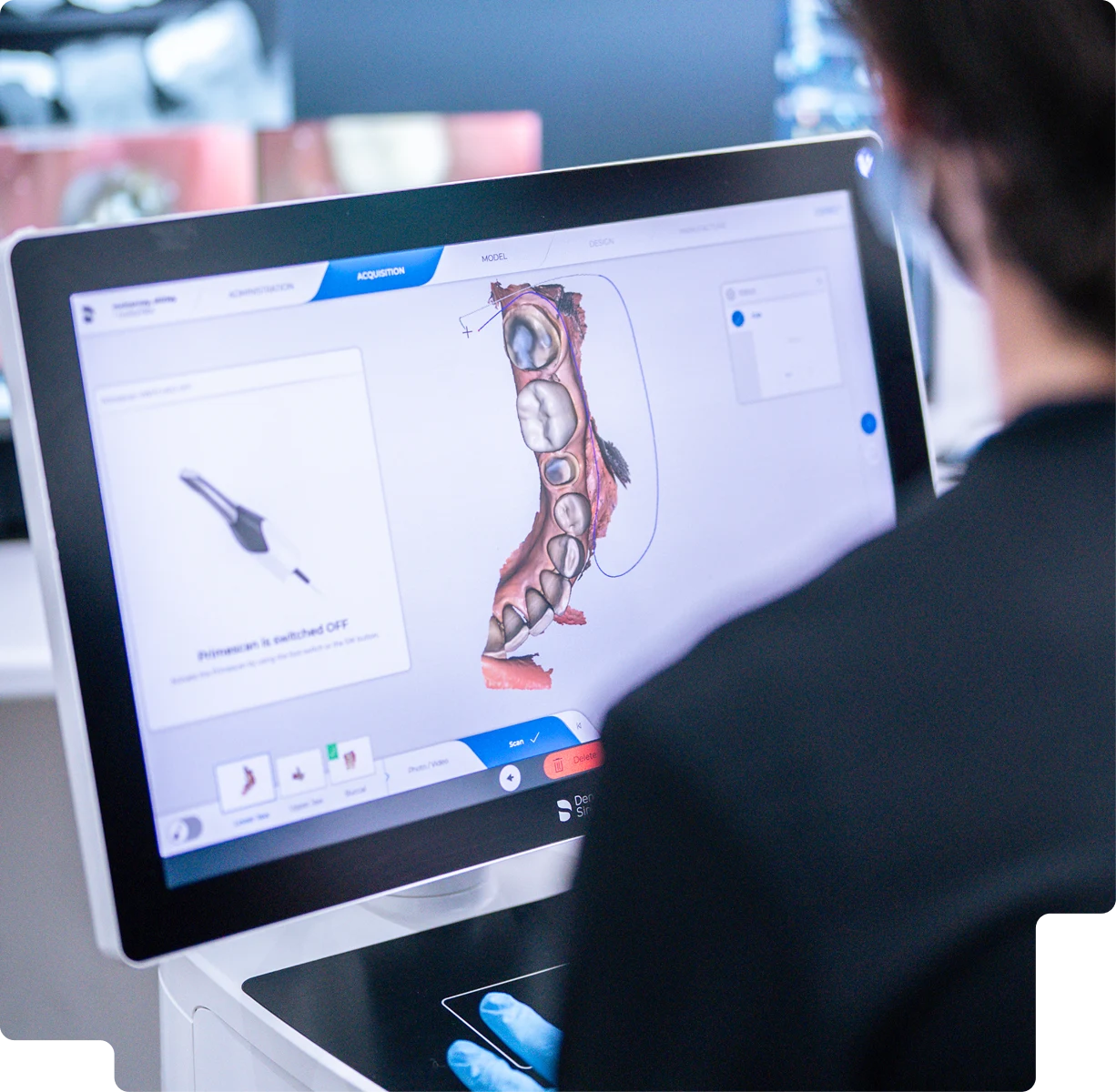
Advanced technology for your comfort
Save Our Number Now
Save the Taylors Lakes Dental House practice number in your phone so it is there when you need it. Call us as soon as the emergency occurs for the best chance of helping you. Taylors Lakes Dental House: 1800 436 853
Disclaimer: The material posted is for informational purposes only and is not intended to substitute for professional medical advice, diagnosis or treatment. Results vary with each patient. Any dental procedure carries risks and benefits. If you have any specific questions about any dental and/or medical matter, you should consult your dentist, physician or other professional healthcare providers.
Medically Reviewed by Dr Fong Nien Yong, BDS
Last Reviewed: June 11, 2026
Let’s chat.
Take the first step today. Fill out the form and we will contact you to arrange your consultation.