
TMJ Disorder Treatment
TMJ Disorder Treatment at Taylors Lakes, Keilor, & Sydenham
Experiencing jaw pain, clicking, or headaches in Taylors Lakes? Our team assesses temporomandibular joint (TMJ) symptoms and offers conservative treatment options based on what we find.
When the Jaw Is the Source
Jaw clicking, headaches, ear discomfort, and tight facial muscles can all point to the temporomandibular joint.
These symptoms often build gradually, which makes it easy to dismiss them early on. A proper assessment identifies whether the TMJ is involved and what the underlying cause might be.
What Is TMJ Disorder
The temporomandibular joint connects the lower jaw to the skull, and it works alongside a complex set of muscles, ligaments, and surfaces inside the joint. When the system is not functioning smoothly, it is referred to as TMJ disorder (or TMD).
Common symptoms include jaw pain or stiffness, clicking or popping sounds when opening the mouth, headaches (particularly on waking), ear pain or ringing without ear infection, facial muscle tightness, and limited jaw opening.
The underlying cause varies. Teeth grinding or clenching (bruxism) is one of the more common contributors, alongside bite misalignment, joint wear, arthritis, jaw injury, or stress-related muscle tension.
Because the joint sits close to the ear and sinuses, TMJ symptoms can sometimes be mistaken for ear infections or sinus problems. Diagnosis and treatment may help reduce symptoms, though individual responses vary based on the underlying cause and severity.
Could TMJ Treatment Suit You?
At Taylors Lakes Dental House, we believe patients with jaw symptoms deserve a thorough assessment. The patient profiles below are the most common reasons for booking a TMJ evaluation.
How Your Assessment and Treatment Unfolds
Whilst individual needs vary based on symptoms and underlying cause, here is the general shape of the process.

Comprehensive TMJ Assessment
Our team reviews your health history, discusses your symptoms in detail, and examines jaw movement, bite, and the surrounding muscles. (1 visit, approximately 45 to 60 minutes)

Diagnostic Imaging
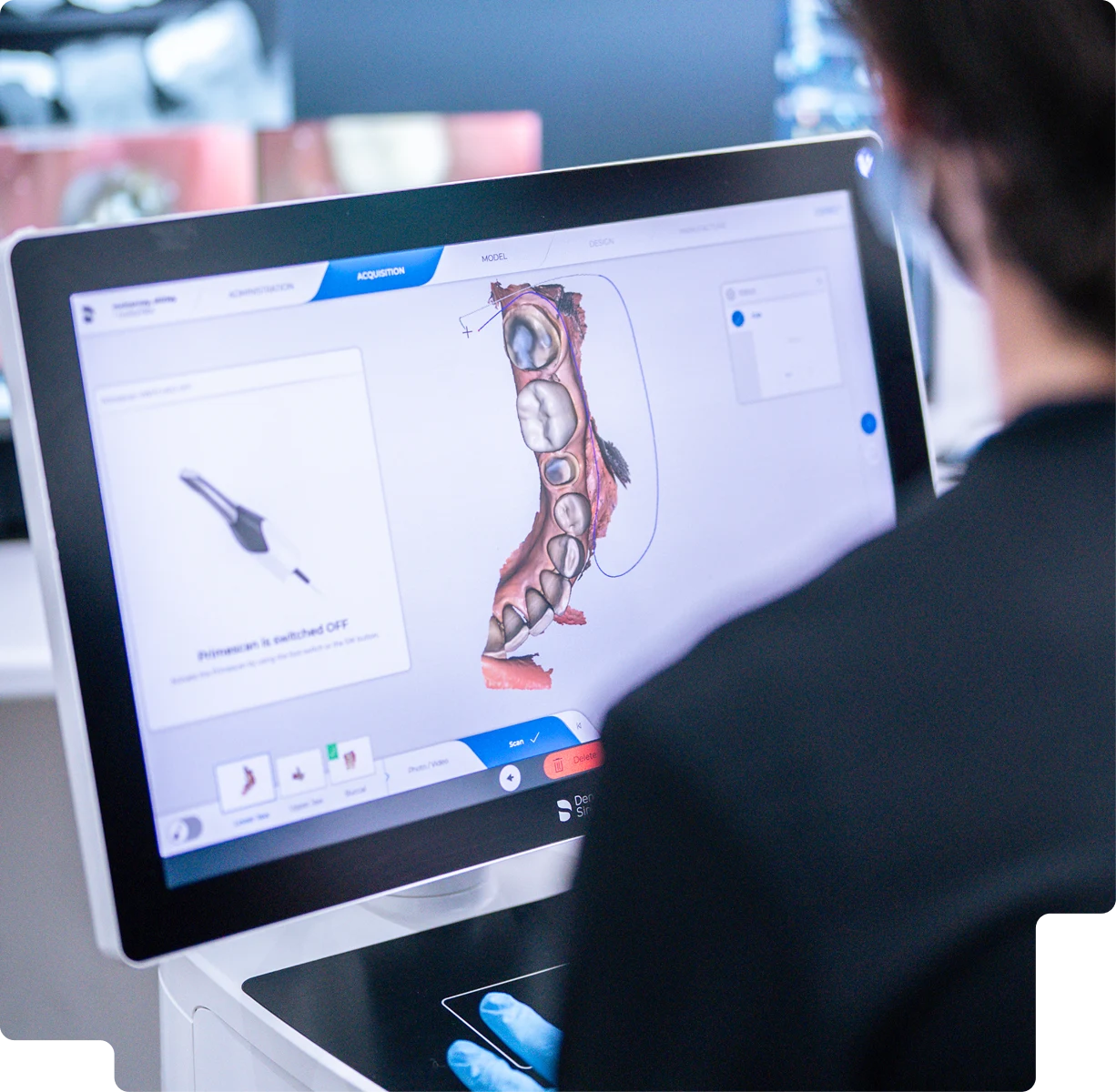
Dental imaging assesses the jaw position, the joint, and the teeth. Where the case warrants it, we may refer for MRI or 3D imaging for a more detailed view of the joint. (Same visit or separate appointment, timing varies)

Diagnosis and Treatment Discussion
Findings from the examination and imaging are reviewed, and we walk you through the likely contributing factors and the treatment options that may help. (Follow-up visit, approximately 30 to 45 minutes)

Conservative Treatment First
Initial treatment is usually conservative, including custom occlusal splints (night guards) for grinding or clenching, bite adjustments where appropriate, jaw exercises, and guidance on habits that contribute to the symptoms. (Multiple visits as needed, timing varies)

Further Treatment Where Required
Where conservative measures do not provide enough improvement, additional options may be considered, including referral to a specialist for advanced imaging, physiotherapy, or other interventions. (Additional visits as required)

Monitoring and Adjustment
Regular reviews assess how symptoms are responding, allow splint adjustments, and identify any changes in jaw function over time. (Scheduled follow-ups based on your response)
Comprehensive TMJ Assessment
Our team reviews your health history, discusses your symptoms in detail, and examines jaw movement, bite, and the surrounding muscles. (1 visit, approximately 45 to 60 minutes)
Diagnostic Imaging
Dental imaging assesses the jaw position, the joint, and the teeth. Where the case warrants it, we may refer for MRI or 3D imaging for a more detailed view of the joint. (Same visit or separate appointment, timing varies)
Diagnosis and Treatment Discussion
Findings from the examination and imaging are reviewed, and we walk you through the likely contributing factors and the treatment options that may help. (Follow-up visit, approximately 30 to 45 minutes)
Conservative Treatment First
Initial treatment is usually conservative, including custom occlusal splints (night guards) for grinding or clenching, bite adjustments where appropriate, jaw exercises, and guidance on habits that contribute to the symptoms. (Multiple visits as needed, timing varies)
Further Treatment Where Required
Where conservative measures do not provide enough improvement, additional options may be considered, including referral to a specialist for advanced imaging, physiotherapy, or other interventions. (Additional visits as required)
Monitoring and Adjustment
Regular reviews assess how symptoms are responding, allow splint adjustments, and identify any changes in jaw function over time. (Scheduled follow-ups based on your response)

Invest in Your Oral Health
Quality dental care is an investment in your long-term health and wellbeing. Download our comprehensive price guide today.
Any questions?
What causes TMJ disorder?
There’s rarely a single cause. Teeth grinding, jaw misalignment, stress-related muscle tension, arthritis, and facial injuries can all contribute, and often several factors are present at once. That’s why the assessment process matters so much: understanding what’s actually driving your symptoms is what makes treatment effective.
How is TMJ disorder diagnosed?
Diagnosis involves a detailed symptom review, assessment of jaw movement and range, bite evaluation, and dental X-rays. Where a closer look at the joint itself is needed, MRI or 3D imaging may be recommended to fully understand what’s happening and guide the treatment plan.
Will I need surgery?
Most TMJ cases are managed with conservative treatment such as splints, bite adjustments, exercises, and lifestyle changes. Surgery is uncommon and is only considered after conservative options have been thoroughly explored, usually under the care of an oral and maxillofacial surgeon rather than at a general dental practice.
Making Your Smile Affordable
We offer flexible payment plans to suit your budget. Get the dental care you need, when you need it.



Our Promise To You
Same day emergency dental guarantee*

A caring, gentle approach at every appointment
5 Years warranty on major dentistry*
Advanced technology for your comfort
Ready to Have Your Jaw Assessed?
The first step is a thorough TMJ evaluation to understand what is driving your symptoms and what treatment options are appropriate. Get in touch with our Taylors Lakes team to book a time.
Disclaimer: The material posted is for informational purposes only and is not intended to substitute for professional medical advice, diagnosis or treatment. Results vary with each patient. Any dental procedure carries risks and benefits. If you have any specific questions about any dental and/or medical matter, you should consult your dentist, physician or other professional healthcare providers.
Medically Reviewed by Dr Fong Nien Yong, BDS
Last Reviewed: June 11, 2026
Let’s chat.
Take the first step today. Fill out the form and we will contact you to arrange your consultation.