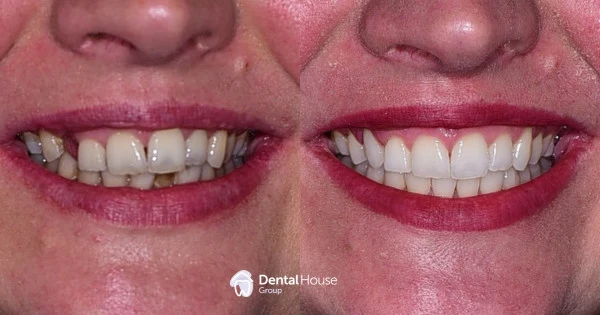
Implant Bridge
Implant Bridge at Taylors Lakes, Keilor, & Sydenham
Replacing a row of missing teeth in Taylors Lakes? Our team assesses whether an implant-supported bridge is the right call for the gap and how it compares to your other options.
Bridging the Gap Without Touching Healthy Teeth
A traditional bridge anchors to the teeth on either side of the gap, which means reshaping two otherwise healthy teeth. An implant bridge uses two implants instead, leaving your other teeth alone. It is often the preferred approach when three or four teeth are missing in a row.
The Maths of an Implant Bridge
An implant bridge does not need one implant for every missing tooth. Two implants placed at either end of the gap can support a bridge of three or four connected crowns. The crowns in the middle hang from the two anchored on the implants.
This makes implant bridges a practical choice for consecutive gaps. Fewer surgical sites, less overall cost than placing an individual implant for each tooth, and a single connected restoration that distributes bite force evenly across the implants.
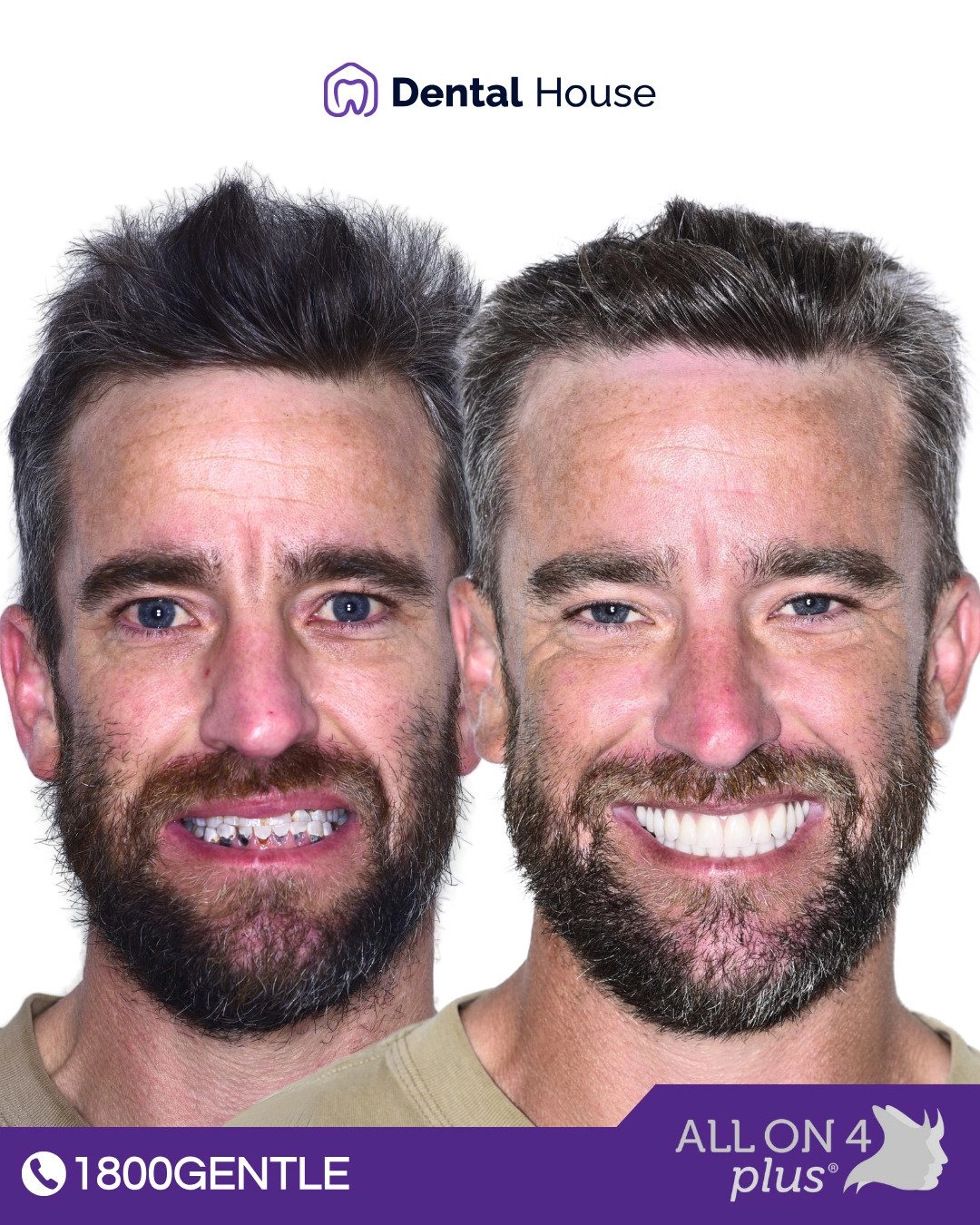
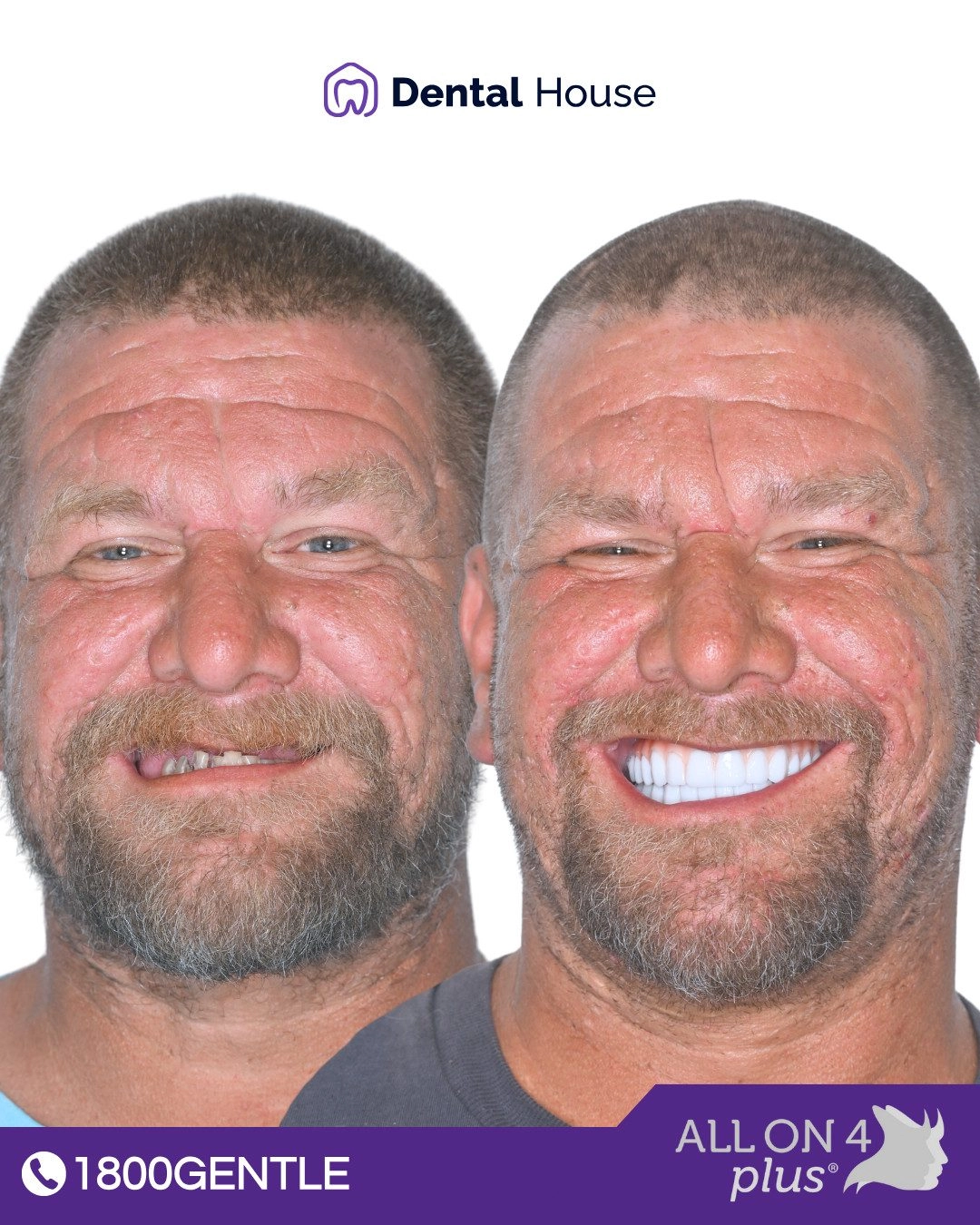
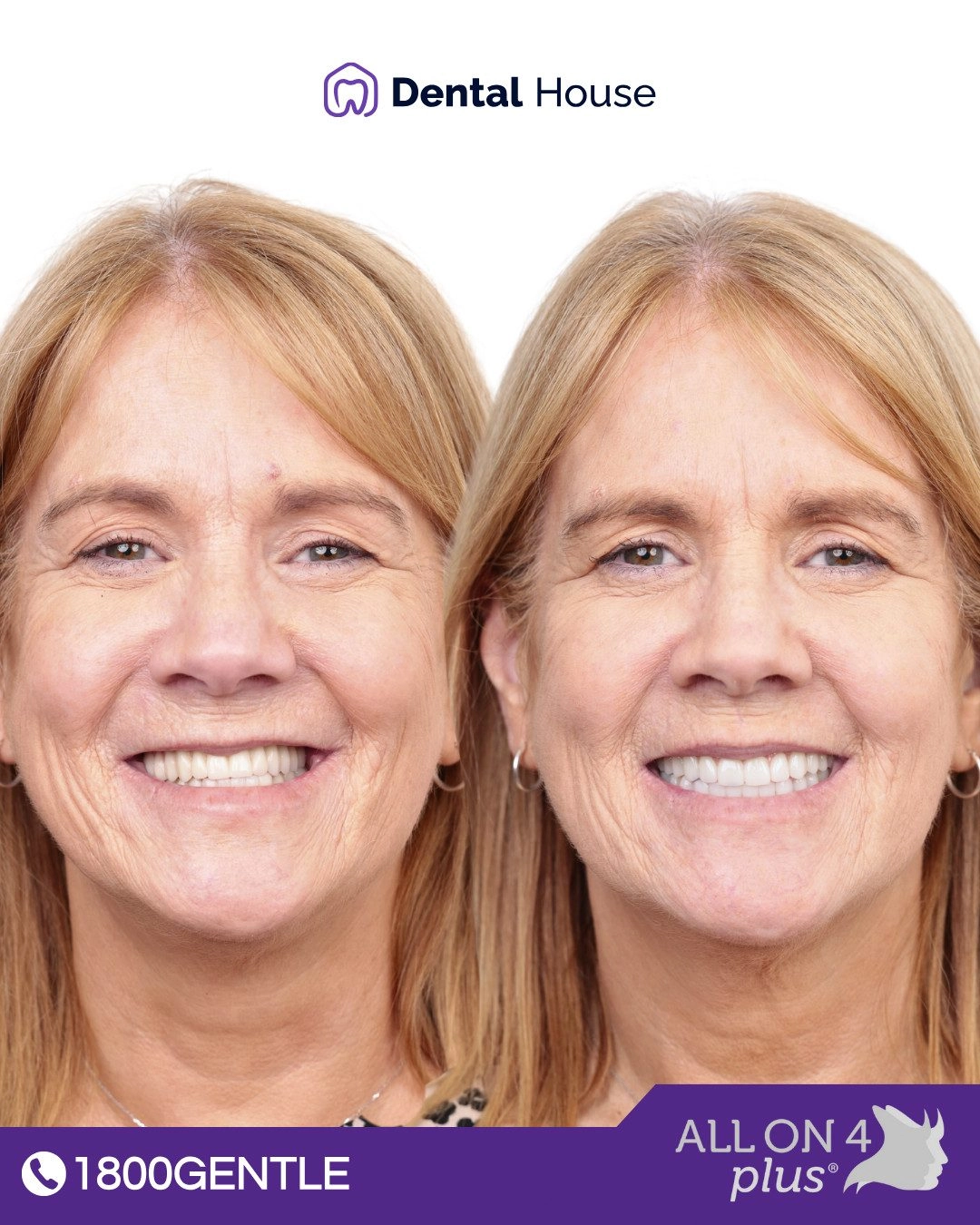
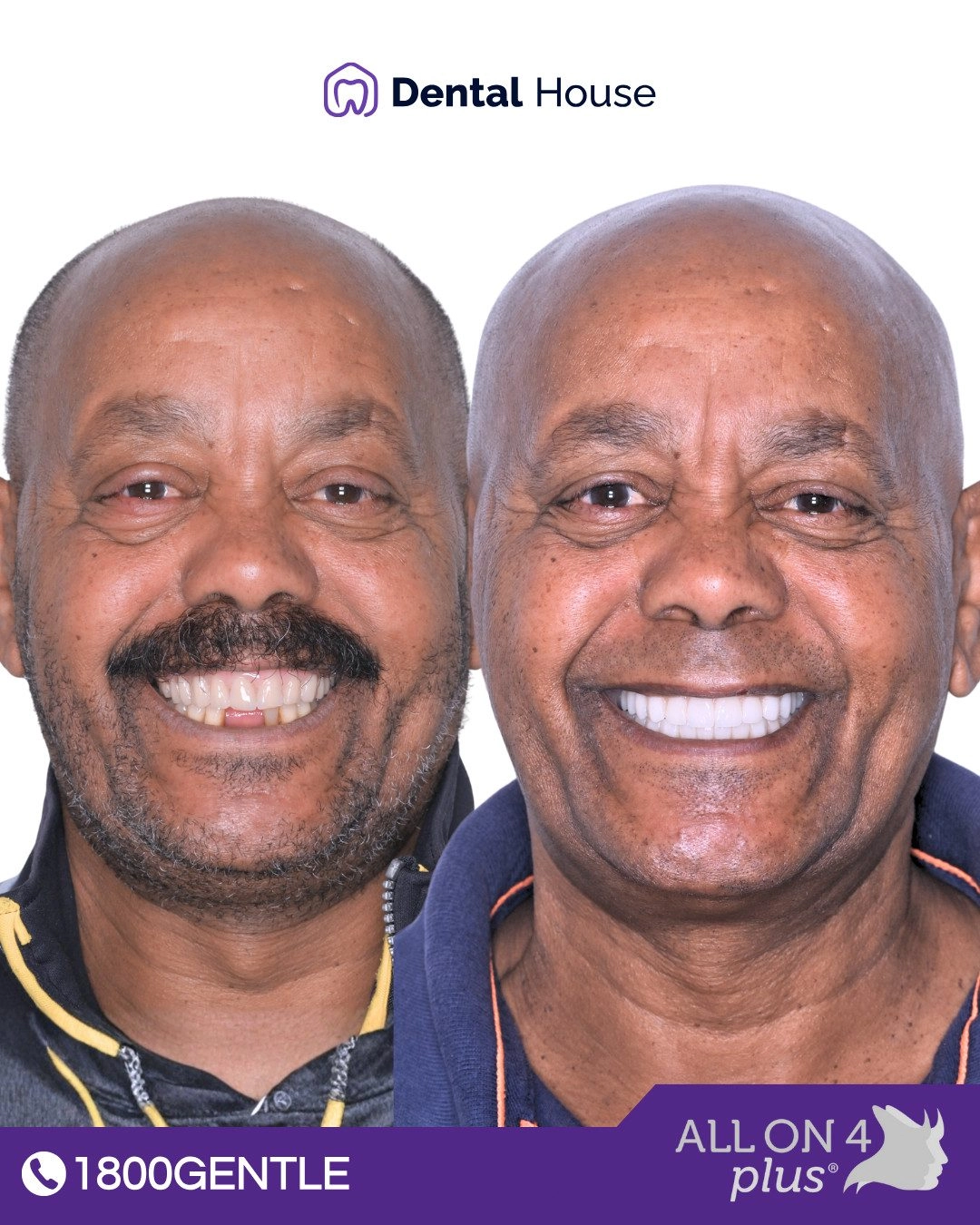
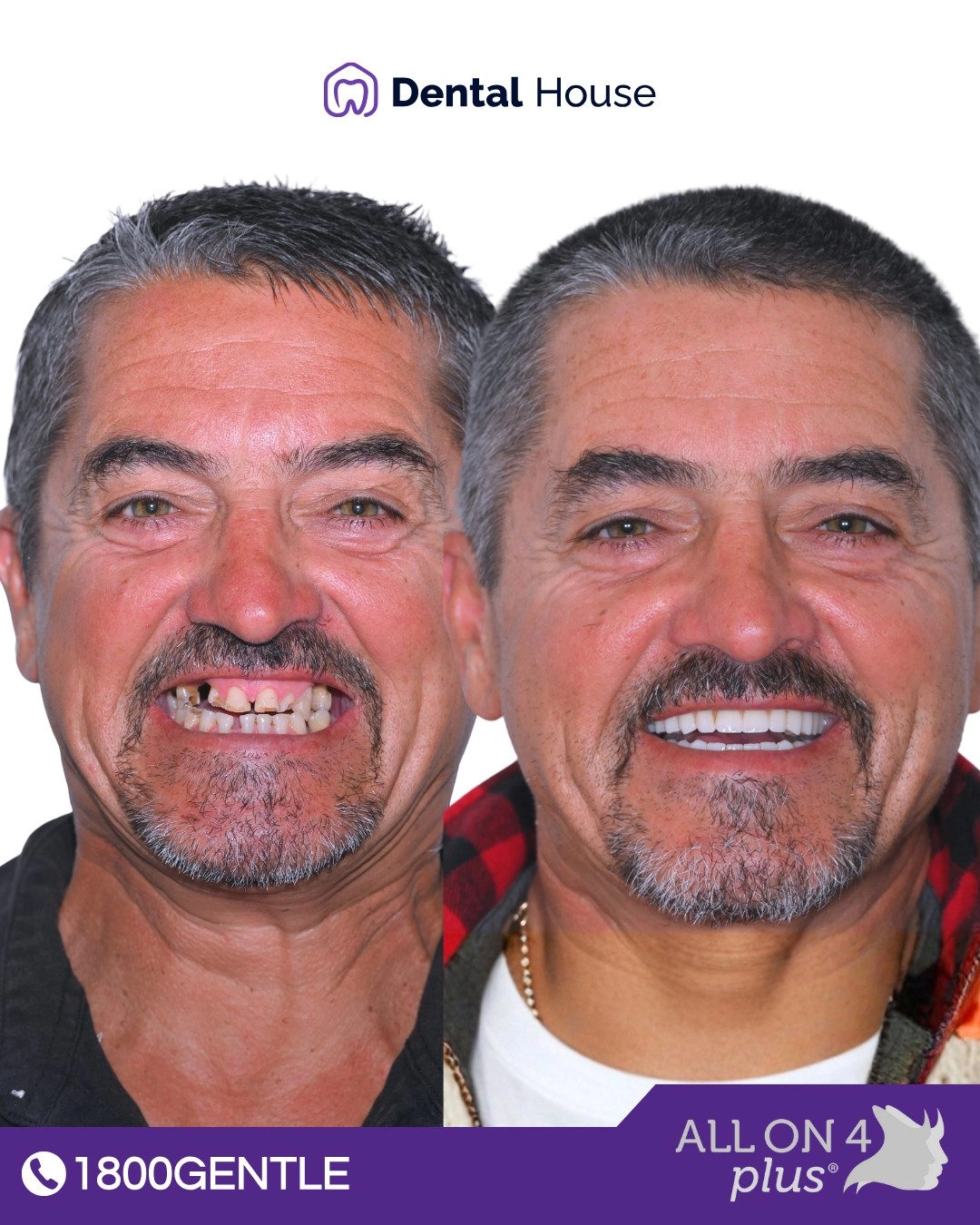
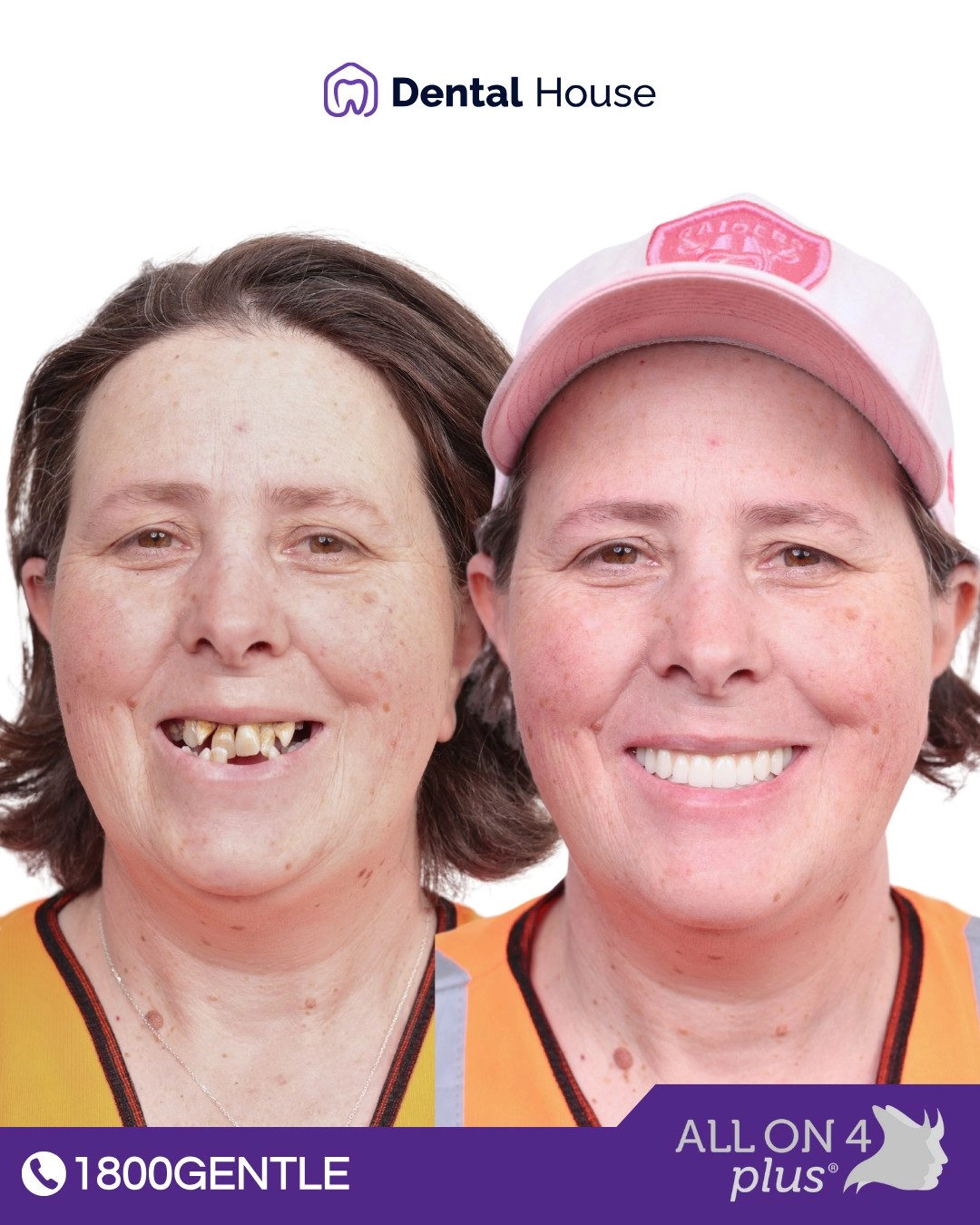
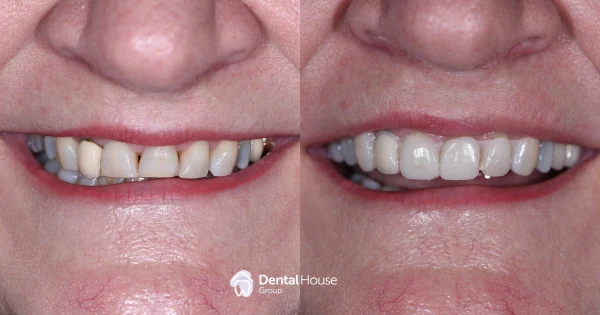
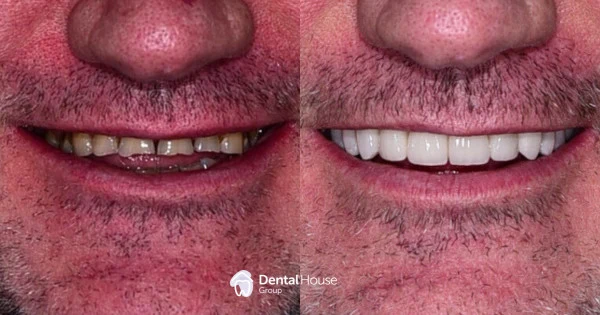
The bridge is custom-made to match your bite, smile line, and the shade of your surrounding teeth. Suitability depends on bone volume, gum health, and your overall medical picture. Outcomes vary between patients.
Could an Implant Bridge Suit You?
Every situation needs its own assessment, but the patient profiles below come up most often during implant bridge consultations.
How Your Treatment Unfolds
Every implant bridge case at Taylors Lakes Dental House is planned individually. Here is the general shape of the process.

Comprehensive Consultation
We examine the gap, the surrounding teeth, and the bite. 3D imaging shows the bone volume and the proximity of nerves and sinuses. The assessment determines whether an implant bridge is the right approach for your specific gap. (1 visit, approximately 60 to 90 minutes)

Treatment Plan and Costing
You see the plan in full before committing. Where the two anchoring implants will sit, what the final bridge will look like, the timeline, the cost, and any preparation work such as bone grafting or extractions. (Same visit or a follow-up)

Preparation Work, If Required
Some patients need bone grafting or extractions before implant placement. When that applies, this stage runs first and is given time to heal properly. (Variable, often 3 to 6 months)

Implant Placement
The two anchoring implants are placed into the jawbone at the digitally planned positions, under local anaesthesia. Sedation is available if you would prefer. (1 visit, approximately 90 minutes)

Healing and Integration
The implants bond with the bone over several months. A temporary bridge or removable partial may be worn during this phase. (3 to 6 months, with periodic reviews)

Bridge Fitting
Digital impressions are taken once the implants have integrated. The custom bridge is fabricated and then fitted securely to the implants. (2 to 3 visits across 2 to 3 weeks)

Long-Term Care
Cleaning under and around the bridge is different from cleaning natural teeth. We walk you through the right home care routine and see you for regular reviews. (Ongoing, typically every 6 months)
Comprehensive Consultation
We examine the gap, the surrounding teeth, and the bite. 3D imaging shows the bone volume and the proximity of nerves and sinuses. The assessment determines whether an implant bridge is the right approach for your specific gap. (1 visit, approximately 60 to 90 minutes)
Treatment Plan and Costing
You see the plan in full before committing. Where the two anchoring implants will sit, what the final bridge will look like, the timeline, the cost, and any preparation work such as bone grafting or extractions. (Same visit or a follow-up)
Preparation Work, If Required
Some patients need bone grafting or extractions before implant placement. When that applies, this stage runs first and is given time to heal properly. (Variable, often 3 to 6 months)
Implant Placement
The two anchoring implants are placed into the jawbone at the digitally planned positions, under local anaesthesia. Sedation is available if you would prefer. (1 visit, approximately 90 minutes)
Healing and Integration
The implants bond with the bone over several months. A temporary bridge or removable partial may be worn during this phase. (3 to 6 months, with periodic reviews)
Bridge Fitting
Digital impressions are taken once the implants have integrated. The custom bridge is fabricated and then fitted securely to the implants. (2 to 3 visits across 2 to 3 weeks)
Long-Term Care
Cleaning under and around the bridge is different from cleaning natural teeth. We walk you through the right home care routine and see you for regular reviews. (Ongoing, typically every 6 months)
Risks and Recovery
An implant bridge involves the surgical placement of two implants, so the risks and recovery considerations are largely the same as any implant procedure.
Possible risks include:
- Swelling, bruising, and tenderness in the days after placement
- Bleeding during the initial healing window
- Infection at one or both implant sites, which is uncommon with good aftercare
- One or both implants failing to integrate with the bone
- Nerve or sinus involvement, which is why 3D imaging is part of planning
- Bridge fracture or wear over time, requiring repair or replacement
- Bone graft complications, where grafting has been part of treatment
Recovery considerations:
- The first one to two days involve swelling and the need for soft foods
- Initial gum healing typically takes one to two weeks
- Full bone integration takes several months
- A specific cleaning routine for the bridge is required for long-term outcomes
- Regular reviews protect the result over time
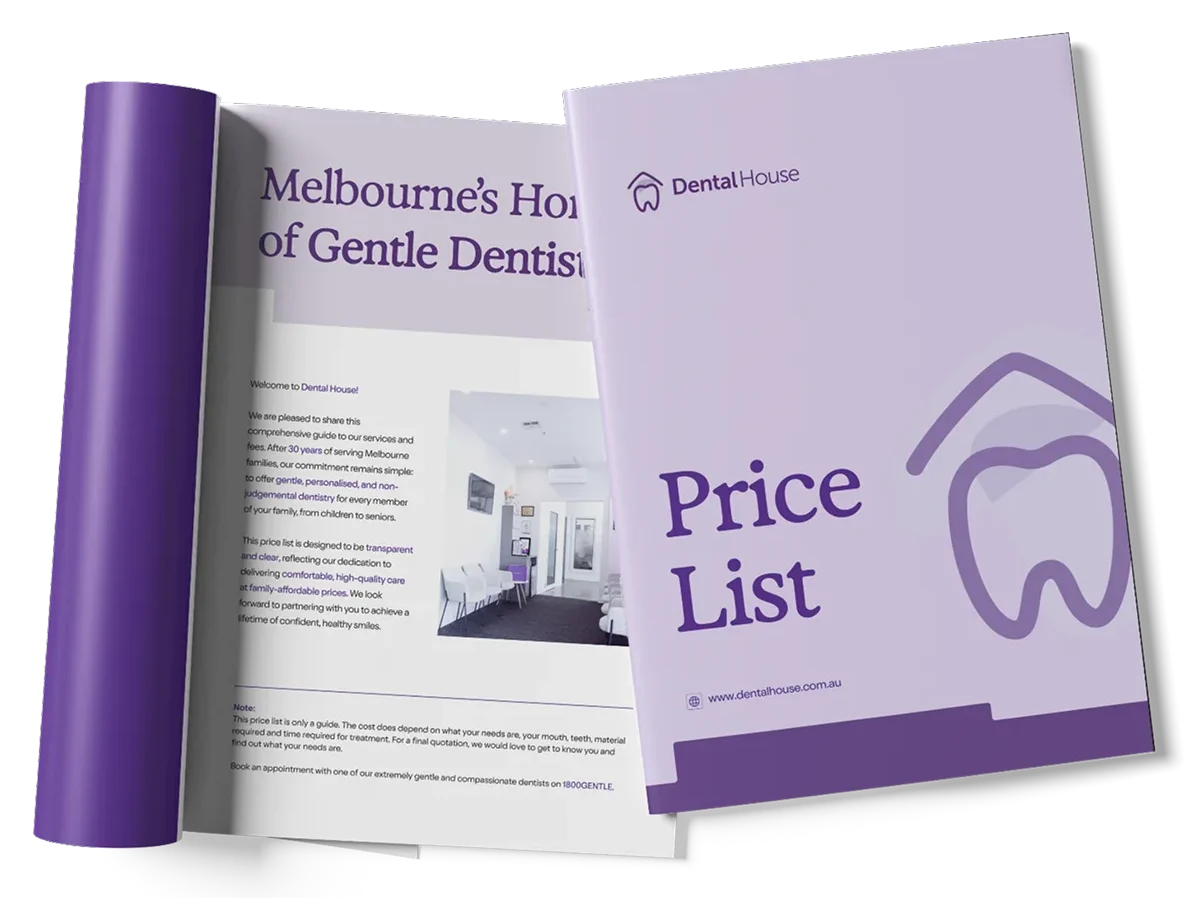
Invest in Your Oral Health
Quality dental care is an investment in your long-term health and wellbeing. Download our comprehensive price guide today.
Any questions?
Why not just place an implant for each missing tooth?
For consecutive missing teeth, individual implants are usually not the most practical or cost-effective option. Two implants anchoring a bridge of three or four crowns reduces the number of surgical sites and the overall cost, while still providing a fixed, implant-supported restoration. The plan depends on your specific gap and bite.
How does an implant bridge compare to a traditional bridge?
A traditional bridge anchors to the natural teeth on either side of the gap, which requires reshaping those teeth and means they share the bite forces of the missing teeth. An implant bridge anchors to implants placed in the jawbone, leaving the adjacent teeth untouched and helping preserve bone in the gap area. Each option has its place, and we walk you through both honestly during your consultation.
Will the bridge look like natural teeth?
The bridge is custom-fabricated to match your surrounding teeth in shape, contour, and shade. The crowns are designed to sit naturally against your gum line. The goal is a restoration that blends in rather than stands out.
Making Your Smile Affordable
We offer flexible payment plans to suit your budget. Get the dental care you need, when you need it.



Our Promise To You

Same day emergency dental guarantee*

A caring, gentle approach at every appointment
5 Years warranty on major dentistry*
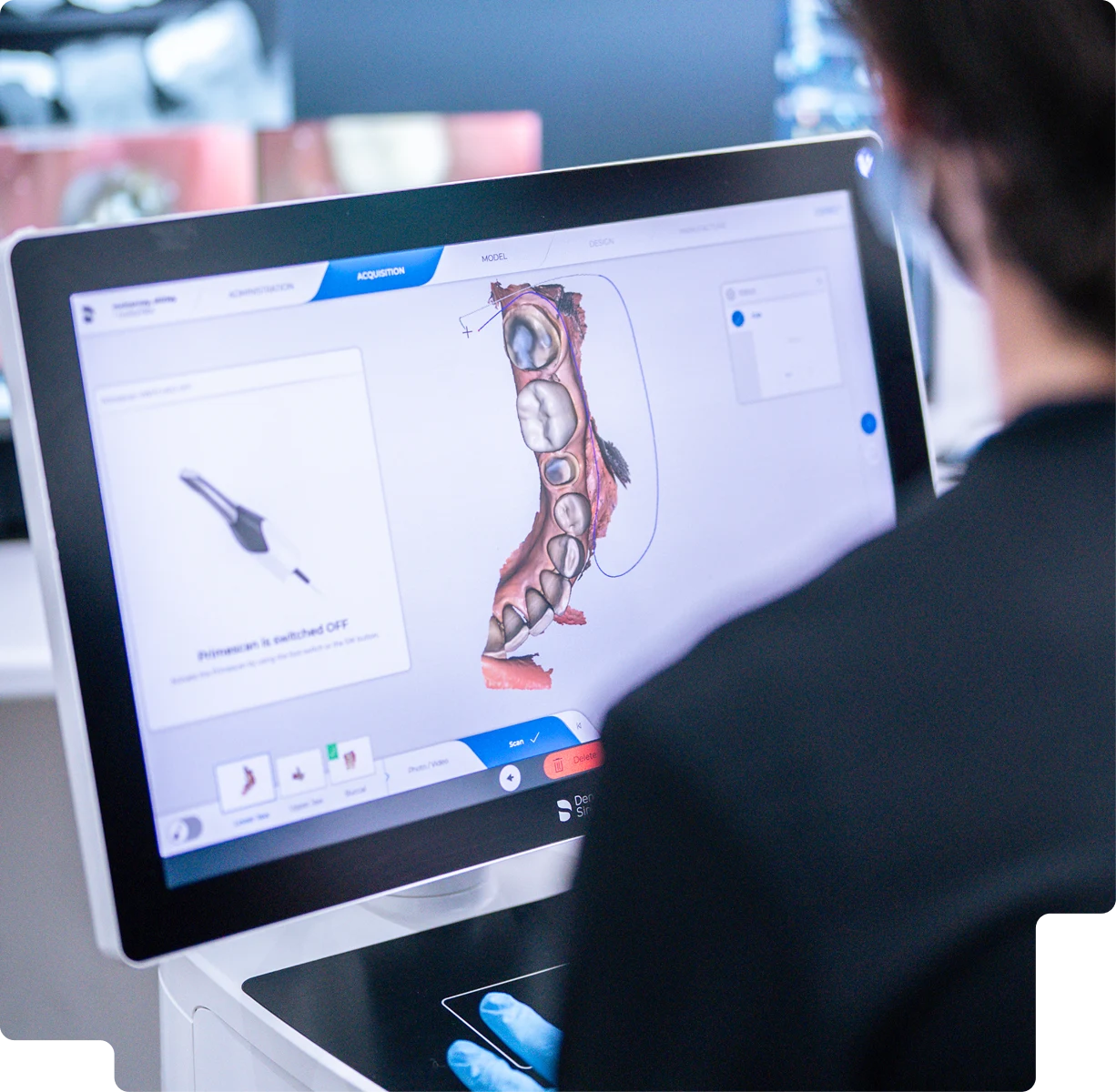
Advanced technology for your comfort
Ready to See What Suits Your Gap?
The first step is a proper consultation, where we can look at the gap, the surrounding teeth, and the bone, and explain whether an implant bridge is the right approach for you. Get in touch with our Taylors Lakes team to book a time.
Disclaimer: The material posted is for informational purposes only and is not intended to substitute for professional medical advice, diagnosis or treatment. Results vary with each patient. Any dental procedure carries risks and benefits. If you have any specific questions about any dental and/or medical matter, you should consult your dentist, physician or other professional healthcare providers.
Medically Reviewed by Dr Fong Nien Yong, BDS
Last Reviewed: June 11, 2026
Let’s chat.
Take the first step today. Fill out the form and we will contact you to arrange your consultation.