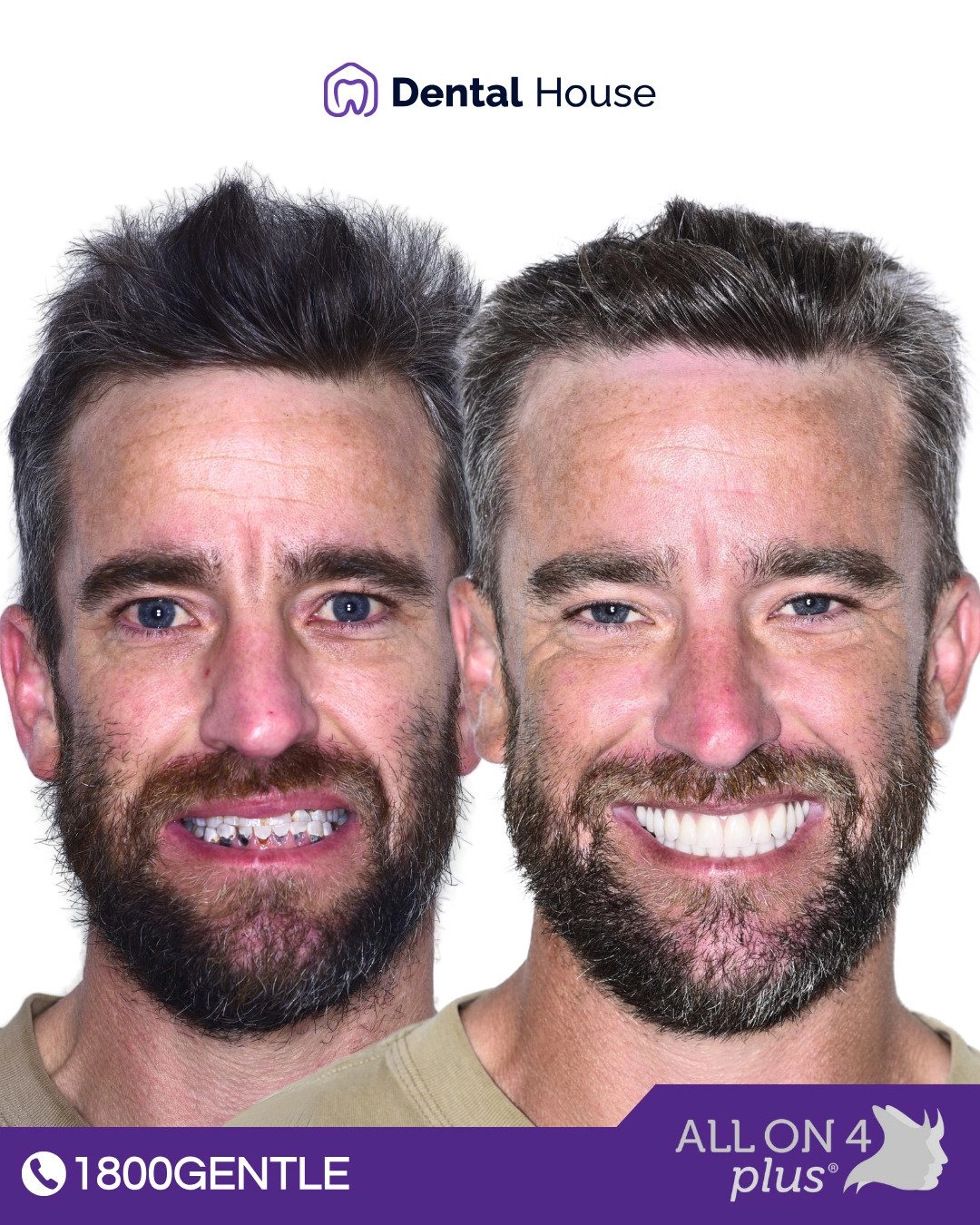
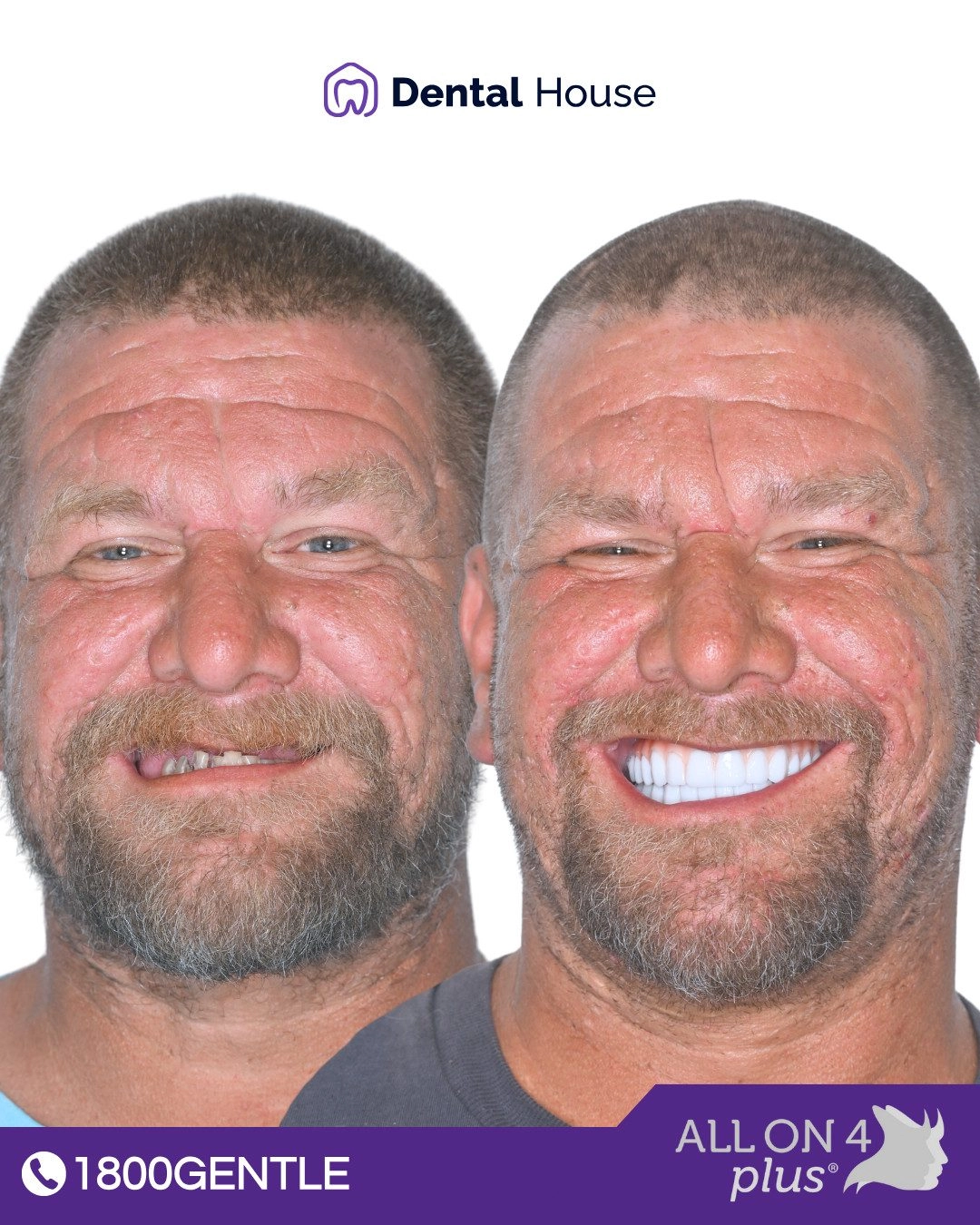


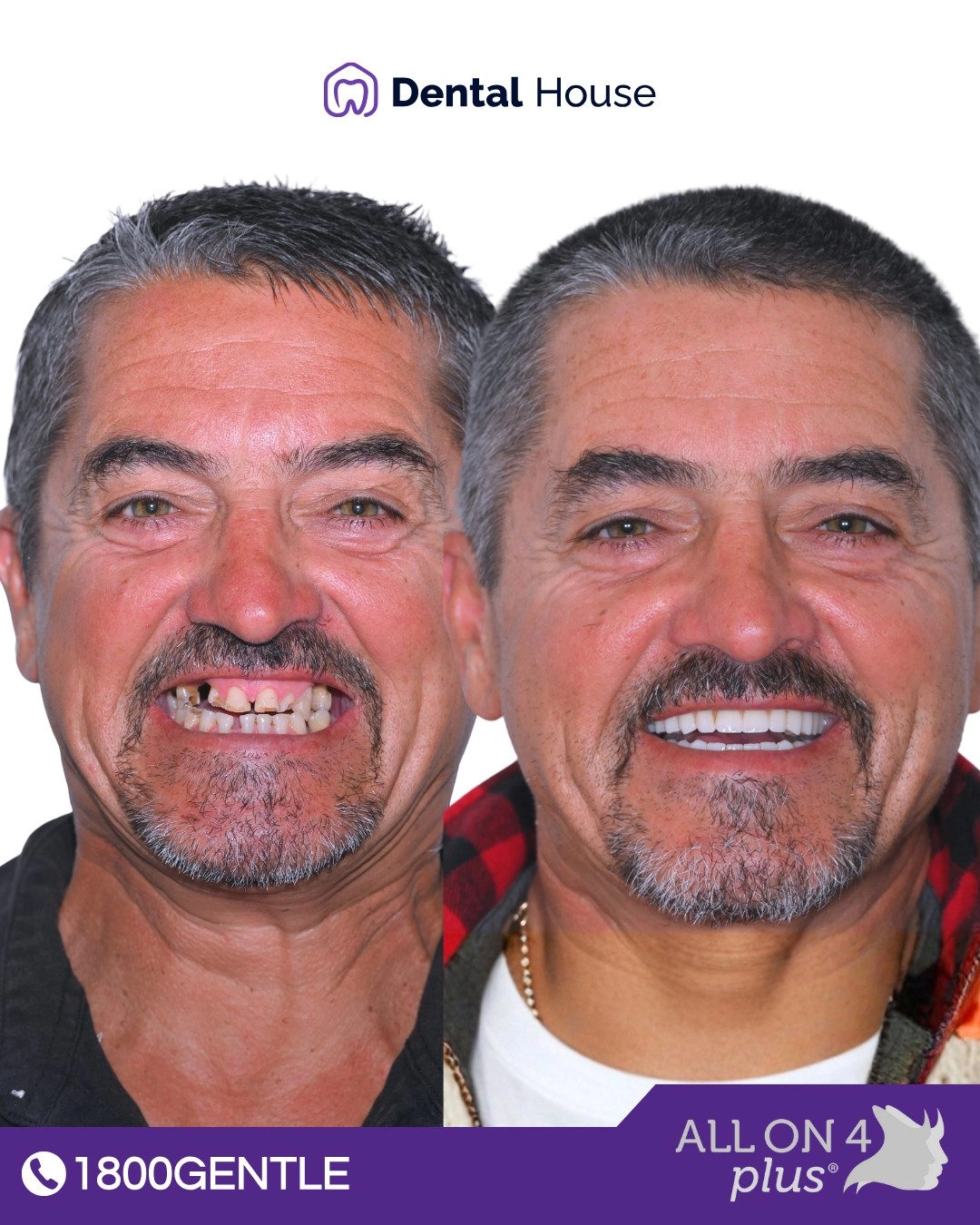
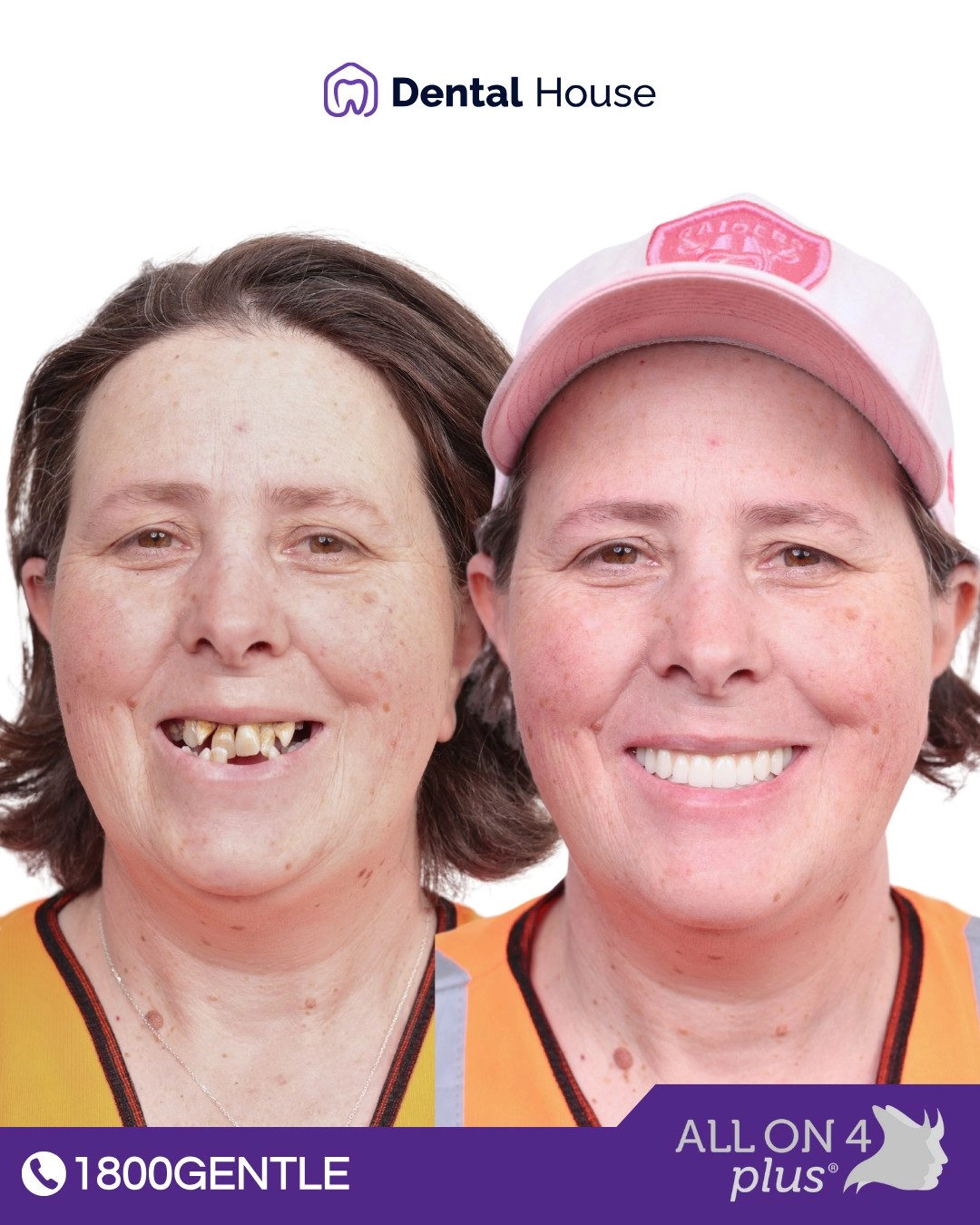
Complimentary consultation* available.
Book Now

What Are The Common Dental Emergencies?

Hi, I’m Doctor Lyle Worrell from Dental House Group, and today I will be talking about the common dental emergencies, and how to handle them.

There are several types of dental emergencies, and they usually involve pain, or an underlying infection. This is why it is important to see a dentist as soon as possible if you experience any of these problems.

  • The most common dental emergency would be a toothache. A toothache can be the result of either trauma, cracks or decay in the tooth which reaches the tooth nerve. This can also lead to infection inside the tooth, and spread to form a dental abscess, causing severe pain. Toothaches are often treated by removing the infected nerve through endodontic therapy, or extraction of the tooth. Antibiotics and pain medication can help dampen tooth pain temporarily, however it is not enough to remove the infection from inside the tooth. Heavy tooth grinding, problems within the jaw joint, and swollen gums can also lead to dental pain.
  • Another very common dental emergency is a broken tooth. Fractured teeth can often be associated with pain or sensitivity, and can have cosmetic concerns when you smile. Fractured teeth are treated by repairing the fracture with a filling or strengthening tooth with a dental crown. The fracture can also lead to pain or infection and if the tooth is very badly damaged, it may require extraction.
  • If a tooth is displaced or lost due to trauma, this is also a dental emergency. Displaced teeth are treated by repositioning the tooth back into its correct position and splinting the tooth to the neighbouring teeth to support the loose tooth. If the entire tooth has come out from its socket, the lost tooth should be placed in saliva or milk, and your dentist should be contacted as soon as possible. In this situation, timing is crucial, and if the tooth can be repositioned within the hour of the incident, there is a high success rate the tooth can be retained. The most severe dental emergencies involve dental infections which have spread to the surrounding tissues. Often the swelling can come on abruptly, and presents as swellings of the face and neck. These infections are treated by removing the source of infection – either by extracting the infected tooth or through endodontic therapy, usually with the addition of antibiotics. If you experience a severe dental emergency such as facial trauma with a lot of bleeding or severe swelling, we recommend you to go straight to the emergency department at your nearest hospital.

If you experience a dental emergency, we are here to help you. Simply complete the form on the website, give us a call on 1800GENTLE, or send us a direct message on social media, and we will help you organise an appointment as soon as possible. See you in the next video.


DISCLAIMER: The material posted is for informational purposes only and is not intended to substitute for professional medical advice, diagnosis or treatment. Results vary with each patient. Any dental procedure carries risks and benefits. If you have any specific questions about any dental and/or medical matter, you should consult your dentist, physician or other professional healthcare providers.

What Are The Common Dental Emergencies?

Hi, I’m Doctor Lyle Worrell from Dental House Group, and today I will be talking about the common dental emergencies, and how to handle them.

There are several types of dental emergencies, and they usually involve pain, or an underlying infection. This is why it is important to see a dentist as soon as possible if you experience any of these problems.

  • The most common dental emergency would be a toothache. A toothache can be the result of either trauma, cracks or decay in the tooth which reaches the tooth nerve. This can also lead to infection inside the tooth, and spread to form a dental abscess, causing severe pain. Toothaches are often treated by removing the infected nerve through endodontic therapy, or extraction of the tooth. Antibiotics and pain medication can help dampen tooth pain temporarily, however it is not enough to remove the infection from inside the tooth. Heavy tooth grinding, problems within the jaw joint, and swollen gums can also lead to dental pain.
  • Another very common dental emergency is a broken tooth. Fractured teeth can often be associated with pain or sensitivity, and can have cosmetic concerns when you smile. Fractured teeth are treated by repairing the fracture with a filling or strengthening tooth with a dental crown. The fracture can also lead to pain or infection and if the tooth is very badly damaged, it may require extraction.
  • If a tooth is displaced or lost due to trauma, this is also a dental emergency. Displaced teeth are treated by repositioning the tooth back into its correct position and splinting the tooth to the neighbouring teeth to support the loose tooth. If the entire tooth has come out from its socket, the lost tooth should be placed in saliva or milk, and your dentist should be contacted as soon as possible. In this situation, timing is crucial, and if the tooth can be repositioned within the hour of the incident, there is a high success rate the tooth can be retained. The most severe dental emergencies involve dental infections which have spread to the surrounding tissues. Often the swelling can come on abruptly, and presents as swellings of the face and neck. These infections are treated by removing the source of infection – either by extracting the infected tooth or through endodontic therapy, usually with the addition of antibiotics. If you experience a severe dental emergency such as facial trauma with a lot of bleeding or severe swelling, we recommend you to go straight to the emergency department at your nearest hospital.

If you experience a dental emergency, we are here to help you. Simply complete the form on the website, give us a call on 1800GENTLE, or send us a direct message on social media, and we will help you organise an appointment as soon as possible. See you in the next video.

DISCLAIMER: The material posted is for informational purposes only and is not intended to substitute for professional medical advice, diagnosis or treatment. Results vary with each patient. Any dental procedure carries risks and benefits. If you have any specific questions about any dental and/or medical matter, you should consult your dentist, physician or other professional healthcare providers.

Related Videos

Let’s chat.

Take the first step today. Fill out the form and we will contact you to arrange your consultation.

Hi, thanks for reaching out. If you could please fill out all your details below, I will be in contact with you shortly.

"*" indicates required fields

This field is for validation purposes and should be left unchanged.
Patient Status*
Download Price List
Please enter your mobile number and email address so we can send you the price list.

"*" indicates required fields

This field is for validation purposes and should be left unchanged.