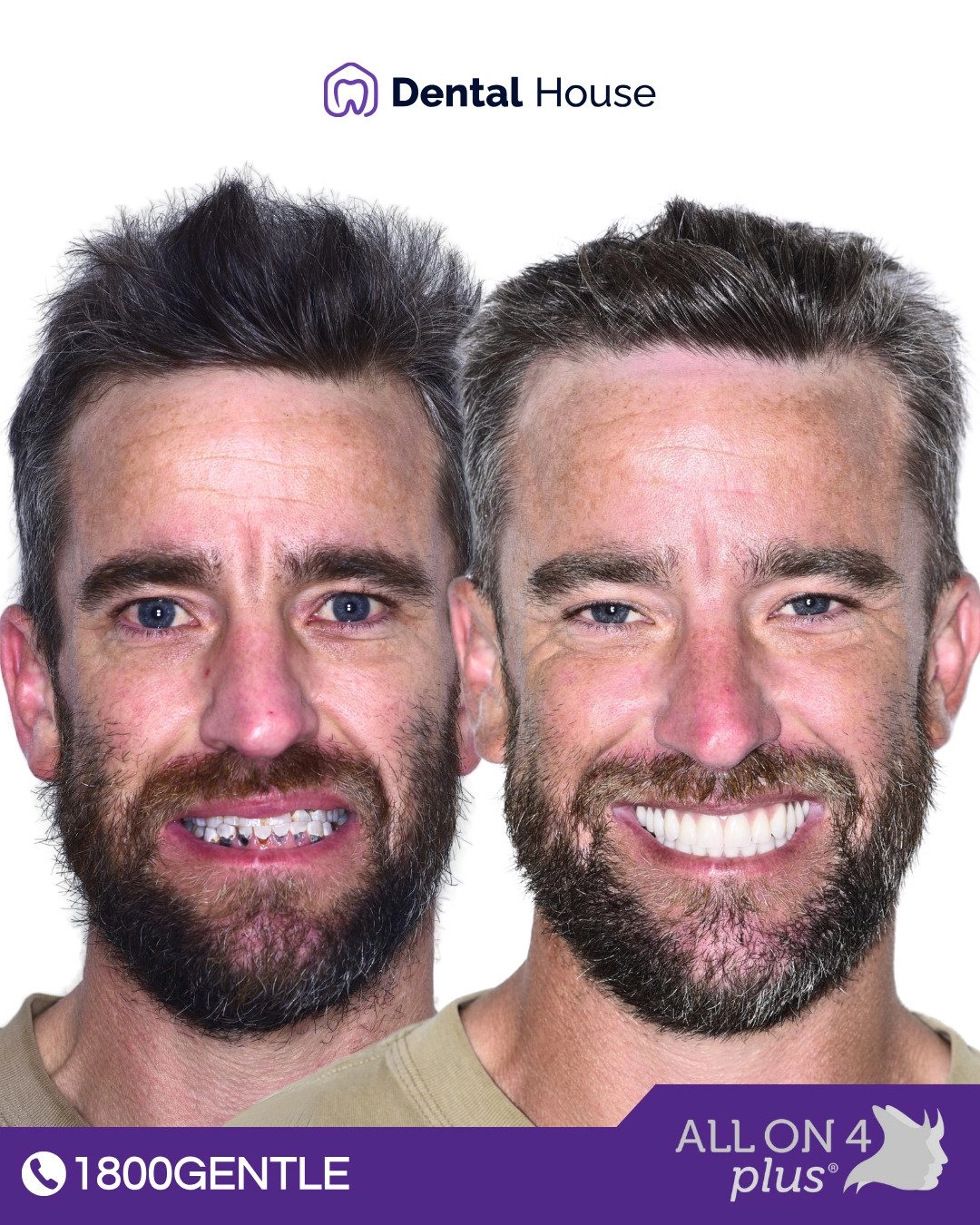
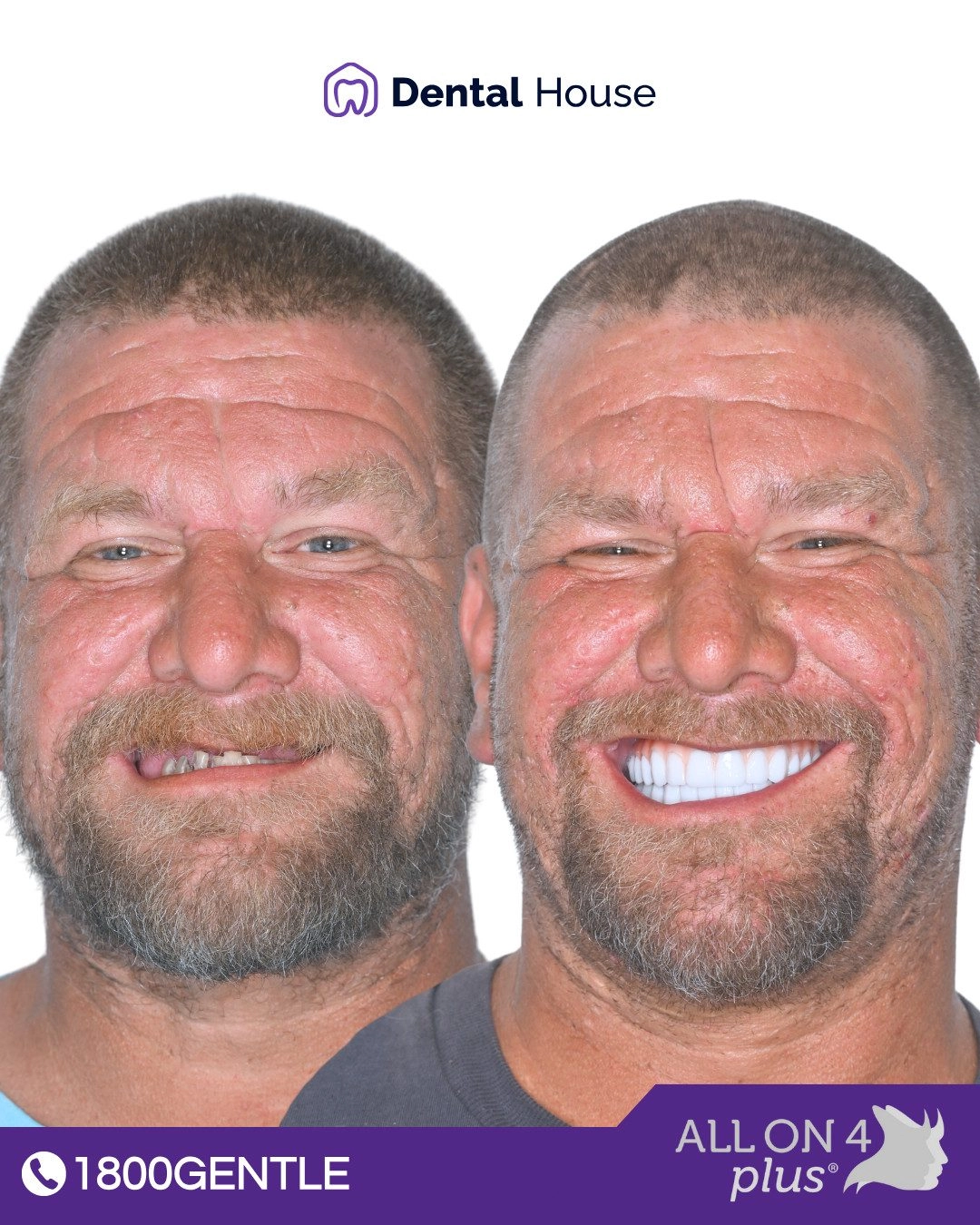
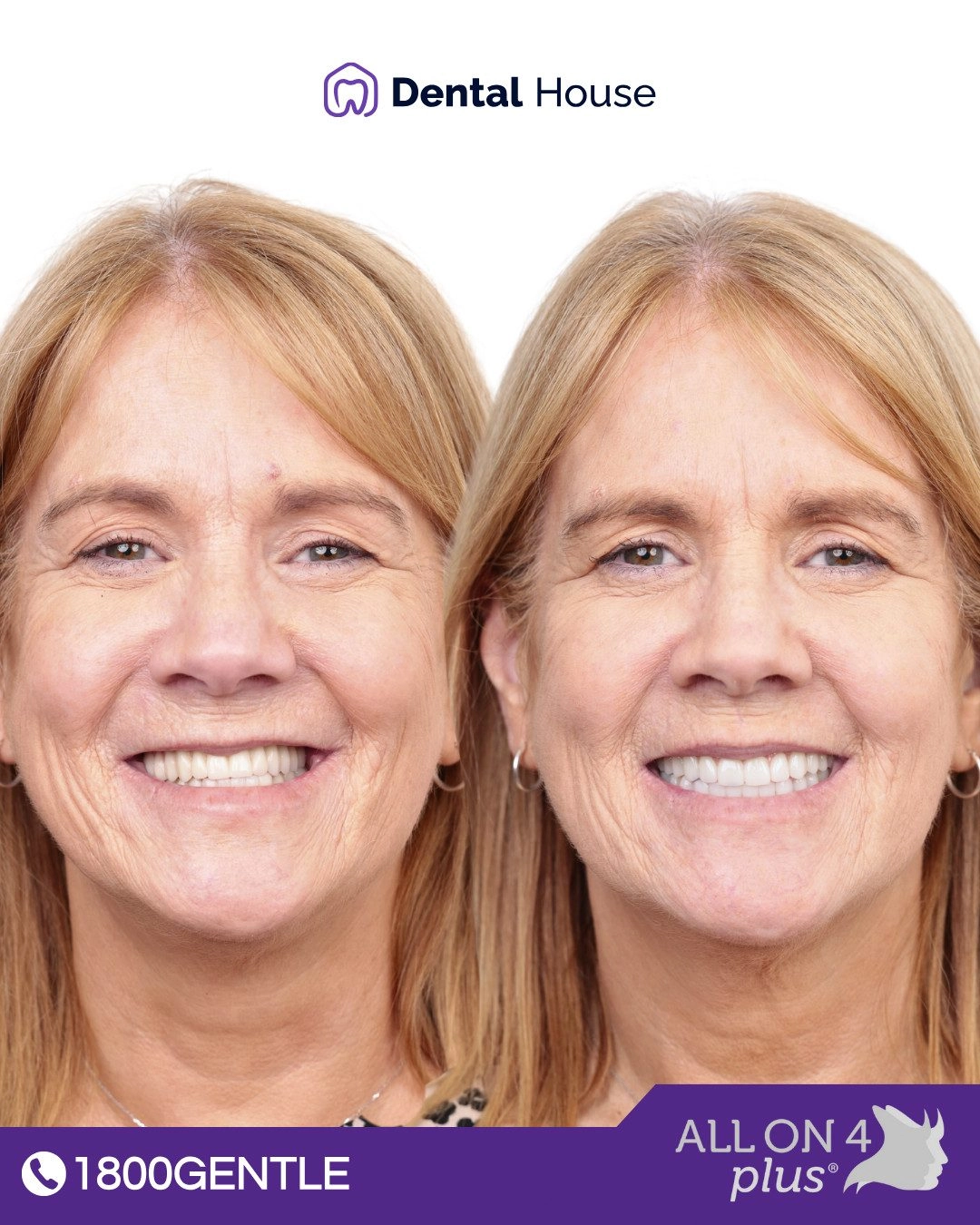
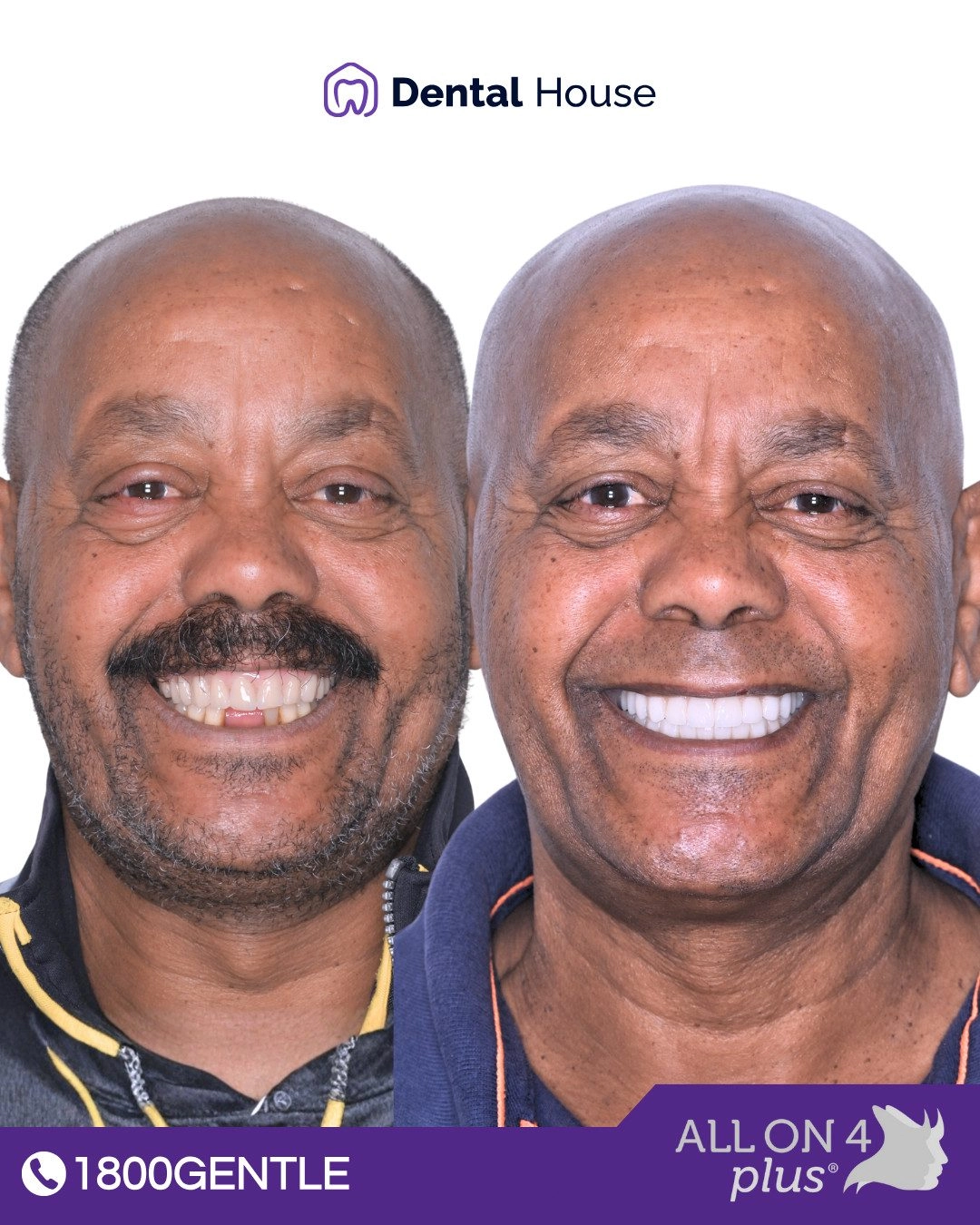
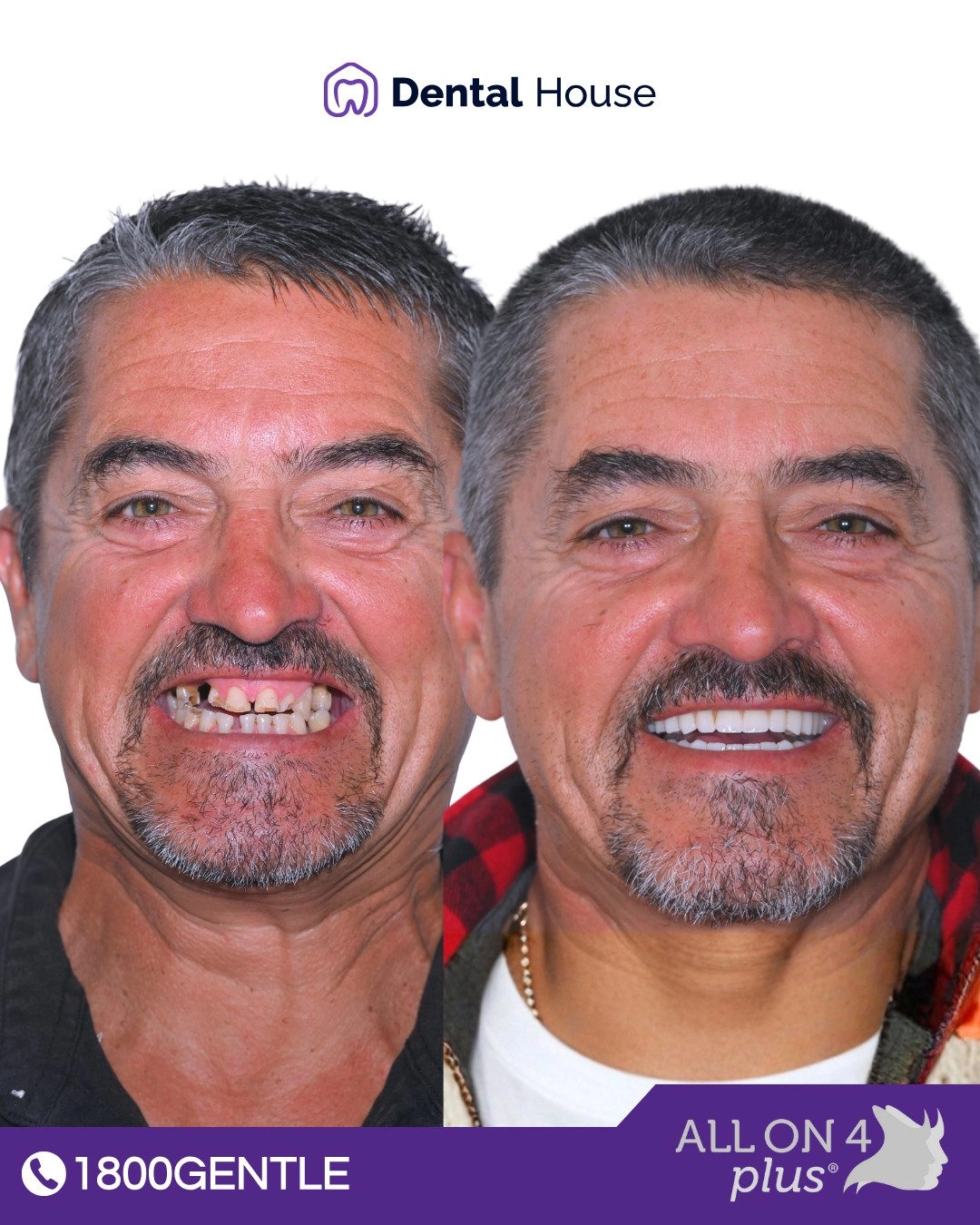
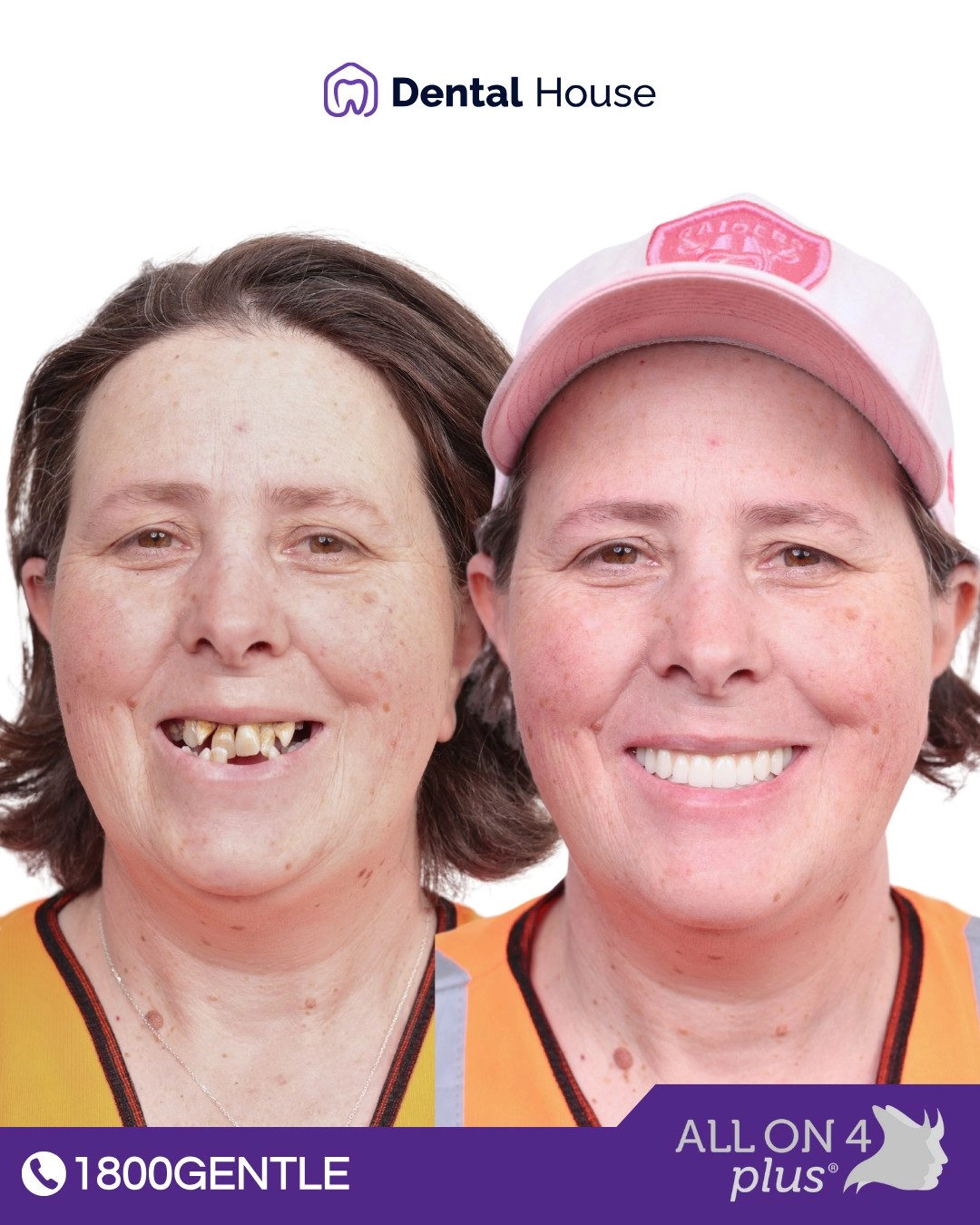
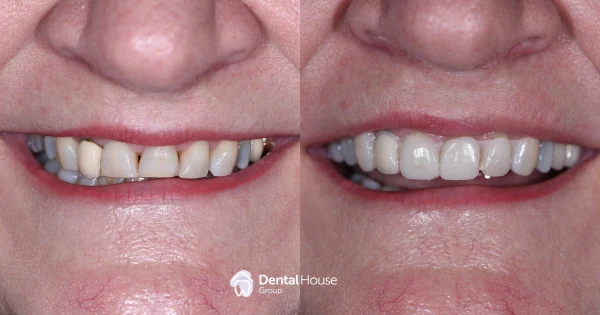
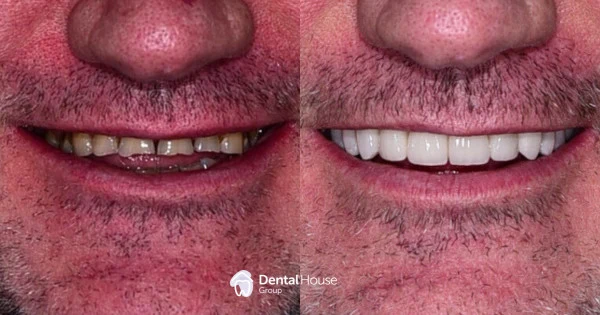
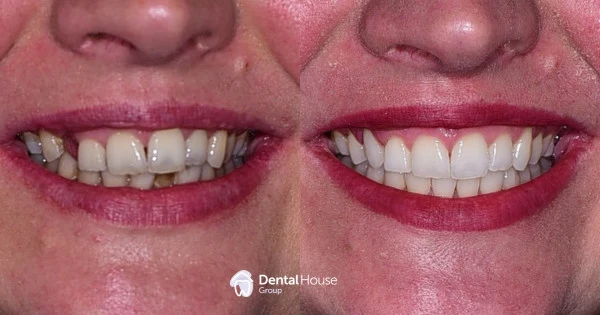
Here at Dental House Group in Melbourne, we know that the decision to extract a tooth isn’t taken lightly. But once it’s done, you might wonder, “What are the consequences of missing teeth?” Well, leaving that space unfilled can lead to more than just cosmetic concerns. Let’s dive into the potential consequences of missing teeth and why it’s so important to consider your replacement options.
Shifting and Tilting: How Missing Teeth Affect Surrounding Teeth
When a tooth is removed, the surrounding teeth don’t just sit there quietly. They can start to shift, tilt, or even migrate into the empty space. This might not sound too serious, but it can lead to complications down the line. For one, it can make future dental work more challenging, especially if you decide to replace the missing tooth later on. The movement of your teeth can also alter your bite alignment, leading to uneven wear and tear on your remaining teeth. Over time, this can cause discomfort and potentially lead to further dental issues.
Bite Alignment and Its Long-Term Impact
Your teeth work together like a well-oiled machine, so when one is missing, it can throw everything off balance. Misaligned teeth can cause your bite to shift, which might not seem like a big deal at first, but it can lead to more significant problems over time. You might start to notice that your remaining teeth wear down unevenly, which can make chewing less effective and comfortable. In some cases, this can even lead to jaw pain or headaches, making daily activities like eating less enjoyable.
Increased Risk of Decay and Gum Disease
One of the less obvious consequences of missing teeth is the increased risk of decay and gum disease. The gap left by a missing tooth can become a trap for food particles and bacteria, making it harder to maintain good oral hygiene. Over time, this can lead to plaque buildup, increasing your risk of cavities and gum disease. It’s essential to keep the area clean and consider filling the gap to maintain a healthy mouth.
Bone Loss and Facial Structure Changes
Did you know that your teeth play a crucial role in maintaining the structure of your jawbone? When a tooth is missing, the bone that once supported it can start to deteriorate, a process known as bone resorption. This bone loss can lead to changes in your facial appearance, giving your face a sunken look and potentially making you appear older than you are. It’s not just about aesthetics—bone loss can also affect your overall oral health and make future dental work more complicated.
Chewing Efficiency and Its Effect on Diet
Finally, missing teeth can have a significant impact on your ability to chew efficiently. This might lead you to avoid certain foods or not chew as thoroughly as you should, which can affect your overall nutrition and digestive health. A reduced ability to chew properly can make eating less enjoyable and might even lead to digestive issues over time.
Finding the Right Replacement Option
The good news is that you don’t have to live with these consequences. Whether it’s dental implants, bridges, or dentures, there are several replacement options available to restore your smile and maintain your oral health. Each option has its own benefits, and we’re here to help you find the one that’s just right for you, your lifestyle, and your budget.
So, if you’re facing the prospect of a tooth extraction or have already had one and are concerned about the effects of leaving the gap unfilled, reach out to us. Simply send us a DM, or call us on 1800GENTLE to organise a consultation. We’re here to help you keep your smile—and your dental health—intact.